


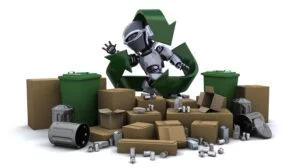
E-squander, or electronic waste, alludes to the disposal of electrical or electronic gadgets. This incorporates a great many items like PCs, cell phones, TVs, printers, coolers, and other customer gadgets that are not generally needed, working, or usable.
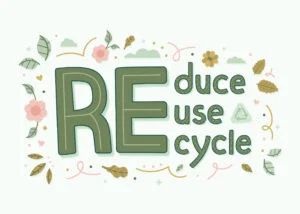
Recycling is a vital practice that offers numerous benefits to the environment, economy, and society. Here are some key advantages of recycling:
- Environmental Preservation
- Energy Savings
- Economic Benefits
- Sustainable Development
- Public Health Improvement

Recycling is an essential practice that benefits the environment, economy, and society. Here are some compelling reasons why recycling is crucial:
- Environmental Protection
- Energy Conservation
- Economic Advantages
- Promotes a Circular Economy
- Public Health Benefits

E-squander, or electronic waste, alludes to the disposal of electrical or electronic gadgets. This incorporates a great many items like PCs, cell phones, TVs, printers, coolers, and other customer gadgets that are not generally needed, working, or usable.
Recycling is a vital practice that offers numerous benefits to the environment, economy, and society. Here are some key advantages of recycling:
- Environmental Preservation
- Energy Savings
- Economic Benefits
- Sustainable Development
- Public Health Improvement
Recycling is an essential practice that benefits the environment, economy, and society. Here are some compelling reasons why recycling is crucial:
- Environmental Protection
- Energy Conservation
- Economic Advantages
- Promotes a Circular Economy
- Public Health Benefits
На 1хбет вы найдете слоты с высокой отдачей.
E-squander, or electronic waste, alludes to the disposal of electrical or electronic gadgets. This incorporates a great many items like PCs, cell phones, TVs, printers, coolers, and other customer gadgets that are not generally needed, working, or usable.
Recycling is a vital practice that offers numerous benefits to the environment, economy, and society. Here are some key advantages of recycling:
- Environmental Preservation
- Energy Savings
- Economic Benefits
- Sustainable Development
- Public Health Improvement
Recycling is an essential practice that benefits the environment, economy, and society. Here are some compelling reasons why recycling is crucial:
- Environmental Protection
- Energy Conservation
- Economic Advantages
- Promotes a Circular Economy
- Public Health Benefits
E-squander, or electronic waste, alludes to the disposal of electrical or electronic gadgets. This incorporates a great many items like PCs, cell phones, TVs, printers, coolers, and other customer gadgets that are not generally needed, working, or usable.
Recycling is a vital practice that offers numerous benefits to the environment, economy, and society. Here are some key advantages of recycling:
- Environmental Preservation
- Energy Savings
- Economic Benefits
- Sustainable Development
- Public Health Improvement
Recycling is an essential practice that benefits the environment, economy, and society. Here are some compelling reasons why recycling is crucial:
- Environmental Protection
- Energy Conservation
- Economic Advantages
- Promotes a Circular Economy
- Public Health Benefits
На 1хбет вы найдете слоты с высокой отдачей.
На 1хбет вы найдете слоты с высокой отдачей.
E-squander, or electronic waste, alludes to the disposal of electrical or electronic gadgets. This incorporates a great many items like PCs, cell phones, TVs, printers, coolers, and other customer gadgets that are not generally needed, working, or usable.
Recycling is a vital practice that offers numerous benefits to the environment, economy, and society. Here are some key advantages of recycling:
- Environmental Preservation
- Energy Savings
- Economic Benefits
- Sustainable Development
- Public Health Improvement
Recycling is an essential practice that benefits the environment, economy, and society. Here are some compelling reasons why recycling is crucial:
- Environmental Protection
- Energy Conservation
- Economic Advantages
- Promotes a Circular Economy
- Public Health Benefits
E-squander, or electronic waste, alludes to the disposal of electrical or electronic gadgets. This incorporates a great many items like PCs, cell phones, TVs, printers, coolers, and other customer gadgets that are not generally needed, working, or usable.
Recycling is a vital practice that offers numerous benefits to the environment, economy, and society. Here are some key advantages of recycling:
- Environmental Preservation
- Energy Savings
- Economic Benefits
- Sustainable Development
- Public Health Improvement
Recycling is an essential practice that benefits the environment, economy, and society. Here are some compelling reasons why recycling is crucial:
- Environmental Protection
- Energy Conservation
- Economic Advantages
- Promotes a Circular Economy
- Public Health Benefits
На 1хбет вы найдете слоты с высокой отдачей.
E-squander, or electronic waste, alludes to the disposal of electrical or electronic gadgets. This incorporates a great many items like PCs, cell phones, TVs, printers, coolers, and other customer gadgets that are not generally needed, working, or usable.
Recycling is a vital practice that offers numerous benefits to the environment, economy, and society. Here are some key advantages of recycling:
- Environmental Preservation
- Energy Savings
- Economic Benefits
- Sustainable Development
- Public Health Improvement
Recycling is an essential practice that benefits the environment, economy, and society. Here are some compelling reasons why recycling is crucial:
- Environmental Protection
- Energy Conservation
- Economic Advantages
- Promotes a Circular Economy
- Public Health Benefits
E-squander, or electronic waste, alludes to the disposal of electrical or electronic gadgets. This incorporates a great many items like PCs, cell phones, TVs, printers, coolers, and other customer gadgets that are not generally needed, working, or usable.
Recycling is a vital practice that offers numerous benefits to the environment, economy, and society. Here are some key advantages of recycling:
- Environmental Preservation
- Energy Savings
- Economic Benefits
- Sustainable Development
- Public Health Improvement
Recycling is an essential practice that benefits the environment, economy, and society. Here are some compelling reasons why recycling is crucial:
- Environmental Protection
- Energy Conservation
- Economic Advantages
- Promotes a Circular Economy
- Public Health Benefits
На 1хбет вы найдете слоты с высокой отдачей.
На 1хбет вы найдете слоты с высокой отдачей.
На 1хбет вы найдете слоты с высокой отдачей.
E-squander, or electronic waste, alludes to the disposal of electrical or electronic gadgets. This incorporates a great many items like PCs, cell phones, TVs, printers, coolers, and other customer gadgets that are not generally needed, working, or usable.
Recycling is a vital practice that offers numerous benefits to the environment, economy, and society. Here are some key advantages of recycling:
- Environmental Preservation
- Energy Savings
- Economic Benefits
- Sustainable Development
- Public Health Improvement
Recycling is an essential practice that benefits the environment, economy, and society. Here are some compelling reasons why recycling is crucial:
- Environmental Protection
- Energy Conservation
- Economic Advantages
- Promotes a Circular Economy
- Public Health Benefits
E-squander, or electronic waste, alludes to the disposal of electrical or electronic gadgets. This incorporates a great many items like PCs, cell phones, TVs, printers, coolers, and other customer gadgets that are not generally needed, working, or usable.
Recycling is a vital practice that offers numerous benefits to the environment, economy, and society. Here are some key advantages of recycling:
- Environmental Preservation
- Energy Savings
- Economic Benefits
- Sustainable Development
- Public Health Improvement
Recycling is an essential practice that benefits the environment, economy, and society. Here are some compelling reasons why recycling is crucial:
- Environmental Protection
- Energy Conservation
- Economic Advantages
- Promotes a Circular Economy
- Public Health Benefits
На 1хбет вы найдете слоты с высокой отдачей.
E-squander, or electronic waste, alludes to the disposal of electrical or electronic gadgets. This incorporates a great many items like PCs, cell phones, TVs, printers, coolers, and other customer gadgets that are not generally needed, working, or usable.
Recycling is a vital practice that offers numerous benefits to the environment, economy, and society. Here are some key advantages of recycling:
- Environmental Preservation
- Energy Savings
- Economic Benefits
- Sustainable Development
- Public Health Improvement
Recycling is an essential practice that benefits the environment, economy, and society. Here are some compelling reasons why recycling is crucial:
- Environmental Protection
- Energy Conservation
- Economic Advantages
- Promotes a Circular Economy
- Public Health Benefits
E-squander, or electronic waste, alludes to the disposal of electrical or electronic gadgets. This incorporates a great many items like PCs, cell phones, TVs, printers, coolers, and other customer gadgets that are not generally needed, working, or usable.
Recycling is a vital practice that offers numerous benefits to the environment, economy, and society. Here are some key advantages of recycling:
- Environmental Preservation
- Energy Savings
- Economic Benefits
- Sustainable Development
- Public Health Improvement
Recycling is an essential practice that benefits the environment, economy, and society. Here are some compelling reasons why recycling is crucial:
- Environmental Protection
- Energy Conservation
- Economic Advantages
- Promotes a Circular Economy
- Public Health Benefits
На 1хбет вы найдете слоты с высокой отдачей.
На 1хбет вы найдете слоты с высокой отдачей.
E-squander, or electronic waste, alludes to the disposal of electrical or electronic gadgets. This incorporates a great many items like PCs, cell phones, TVs, printers, coolers, and other customer gadgets that are not generally needed, working, or usable.
Recycling is a vital practice that offers numerous benefits to the environment, economy, and society. Here are some key advantages of recycling:
- Environmental Preservation
- Energy Savings
- Economic Benefits
- Sustainable Development
- Public Health Improvement
Recycling is an essential practice that benefits the environment, economy, and society. Here are some compelling reasons why recycling is crucial:
- Environmental Protection
- Energy Conservation
- Economic Advantages
- Promotes a Circular Economy
- Public Health Benefits
E-squander, or electronic waste, alludes to the disposal of electrical or electronic gadgets. This incorporates a great many items like PCs, cell phones, TVs, printers, coolers, and other customer gadgets that are not generally needed, working, or usable.
Recycling is a vital practice that offers numerous benefits to the environment, economy, and society. Here are some key advantages of recycling:
- Environmental Preservation
- Energy Savings
- Economic Benefits
- Sustainable Development
- Public Health Improvement
Recycling is an essential practice that benefits the environment, economy, and society. Here are some compelling reasons why recycling is crucial:
- Environmental Protection
- Energy Conservation
- Economic Advantages
- Promotes a Circular Economy
- Public Health Benefits
На 1хбет вы найдете слоты с высокой отдачей.
E-squander, or electronic waste, alludes to the disposal of electrical or electronic gadgets. This incorporates a great many items like PCs, cell phones, TVs, printers, coolers, and other customer gadgets that are not generally needed, working, or usable.
Recycling is a vital practice that offers numerous benefits to the environment, economy, and society. Here are some key advantages of recycling:
- Environmental Preservation
- Energy Savings
- Economic Benefits
- Sustainable Development
- Public Health Improvement
Recycling is an essential practice that benefits the environment, economy, and society. Here are some compelling reasons why recycling is crucial:
- Environmental Protection
- Energy Conservation
- Economic Advantages
- Promotes a Circular Economy
- Public Health Benefits
E-squander, or electronic waste, alludes to the disposal of electrical or electronic gadgets. This incorporates a great many items like PCs, cell phones, TVs, printers, coolers, and other customer gadgets that are not generally needed, working, or usable.
Recycling is a vital practice that offers numerous benefits to the environment, economy, and society. Here are some key advantages of recycling:
- Environmental Preservation
- Energy Savings
- Economic Benefits
- Sustainable Development
- Public Health Improvement
Recycling is an essential practice that benefits the environment, economy, and society. Here are some compelling reasons why recycling is crucial:
- Environmental Protection
- Energy Conservation
- Economic Advantages
- Promotes a Circular Economy
- Public Health Benefits
На 1хбет вы найдете слоты с высокой отдачей.
На 1хбет вы найдете слоты с высокой отдачей.
На 1хбет вы найдете слоты с высокой отдачей.
На 1хбет вы найдете слоты с высокой отдачей.
E-squander, or electronic waste, alludes to the disposal of electrical or electronic gadgets. This incorporates a great many items like PCs, cell phones, TVs, printers, coolers, and other customer gadgets that are not generally needed, working, or usable.
Recycling is a vital practice that offers numerous benefits to the environment, economy, and society. Here are some key advantages of recycling:
- Environmental Preservation
- Energy Savings
- Economic Benefits
- Sustainable Development
- Public Health Improvement
Recycling is an essential practice that benefits the environment, economy, and society. Here are some compelling reasons why recycling is crucial:
- Environmental Protection
- Energy Conservation
- Economic Advantages
- Promotes a Circular Economy
- Public Health Benefits
E-squander, or electronic waste, alludes to the disposal of electrical or electronic gadgets. This incorporates a great many items like PCs, cell phones, TVs, printers, coolers, and other customer gadgets that are not generally needed, working, or usable.
Recycling is a vital practice that offers numerous benefits to the environment, economy, and society. Here are some key advantages of recycling:
- Environmental Preservation
- Energy Savings
- Economic Benefits
- Sustainable Development
- Public Health Improvement
Recycling is an essential practice that benefits the environment, economy, and society. Here are some compelling reasons why recycling is crucial:
- Environmental Protection
- Energy Conservation
- Economic Advantages
- Promotes a Circular Economy
- Public Health Benefits
На 1хбет вы найдете слоты с высокой отдачей.
E-squander, or electronic waste, alludes to the disposal of electrical or electronic gadgets. This incorporates a great many items like PCs, cell phones, TVs, printers, coolers, and other customer gadgets that are not generally needed, working, or usable.
Recycling is a vital practice that offers numerous benefits to the environment, economy, and society. Here are some key advantages of recycling:
- Environmental Preservation
- Energy Savings
- Economic Benefits
- Sustainable Development
- Public Health Improvement
Recycling is an essential practice that benefits the environment, economy, and society. Here are some compelling reasons why recycling is crucial:
- Environmental Protection
- Energy Conservation
- Economic Advantages
- Promotes a Circular Economy
- Public Health Benefits
E-squander, or electronic waste, alludes to the disposal of electrical or electronic gadgets. This incorporates a great many items like PCs, cell phones, TVs, printers, coolers, and other customer gadgets that are not generally needed, working, or usable.
Recycling is a vital practice that offers numerous benefits to the environment, economy, and society. Here are some key advantages of recycling:
- Environmental Preservation
- Energy Savings
- Economic Benefits
- Sustainable Development
- Public Health Improvement
Recycling is an essential practice that benefits the environment, economy, and society. Here are some compelling reasons why recycling is crucial:
- Environmental Protection
- Energy Conservation
- Economic Advantages
- Promotes a Circular Economy
- Public Health Benefits
На 1хбет вы найдете слоты с высокой отдачей.
На 1хбет вы найдете слоты с высокой отдачей.
E-squander, or electronic waste, alludes to the disposal of electrical or electronic gadgets. This incorporates a great many items like PCs, cell phones, TVs, printers, coolers, and other customer gadgets that are not generally needed, working, or usable.
Recycling is a vital practice that offers numerous benefits to the environment, economy, and society. Here are some key advantages of recycling:
- Environmental Preservation
- Energy Savings
- Economic Benefits
- Sustainable Development
- Public Health Improvement
Recycling is an essential practice that benefits the environment, economy, and society. Here are some compelling reasons why recycling is crucial:
- Environmental Protection
- Energy Conservation
- Economic Advantages
- Promotes a Circular Economy
- Public Health Benefits
E-squander, or electronic waste, alludes to the disposal of electrical or electronic gadgets. This incorporates a great many items like PCs, cell phones, TVs, printers, coolers, and other customer gadgets that are not generally needed, working, or usable.
Recycling is a vital practice that offers numerous benefits to the environment, economy, and society. Here are some key advantages of recycling:
- Environmental Preservation
- Energy Savings
- Economic Benefits
- Sustainable Development
- Public Health Improvement
Recycling is an essential practice that benefits the environment, economy, and society. Here are some compelling reasons why recycling is crucial:
- Environmental Protection
- Energy Conservation
- Economic Advantages
- Promotes a Circular Economy
- Public Health Benefits
На 1хбет вы найдете слоты с высокой отдачей.
E-squander, or electronic waste, alludes to the disposal of electrical or electronic gadgets. This incorporates a great many items like PCs, cell phones, TVs, printers, coolers, and other customer gadgets that are not generally needed, working, or usable.
Recycling is a vital practice that offers numerous benefits to the environment, economy, and society. Here are some key advantages of recycling:
- Environmental Preservation
- Energy Savings
- Economic Benefits
- Sustainable Development
- Public Health Improvement
Recycling is an essential practice that benefits the environment, economy, and society. Here are some compelling reasons why recycling is crucial:
- Environmental Protection
- Energy Conservation
- Economic Advantages
- Promotes a Circular Economy
- Public Health Benefits
E-squander, or electronic waste, alludes to the disposal of electrical or electronic gadgets. This incorporates a great many items like PCs, cell phones, TVs, printers, coolers, and other customer gadgets that are not generally needed, working, or usable.
Recycling is a vital practice that offers numerous benefits to the environment, economy, and society. Here are some key advantages of recycling:
- Environmental Preservation
- Energy Savings
- Economic Benefits
- Sustainable Development
- Public Health Improvement
Recycling is an essential practice that benefits the environment, economy, and society. Here are some compelling reasons why recycling is crucial:
- Environmental Protection
- Energy Conservation
- Economic Advantages
- Promotes a Circular Economy
- Public Health Benefits
На 1хбет вы найдете слоты с высокой отдачей.
На 1хбет вы найдете слоты с высокой отдачей.
На 1хбет вы найдете слоты с высокой отдачей.
E-squander, or electronic waste, alludes to the disposal of electrical or electronic gadgets. This incorporates a great many items like PCs, cell phones, TVs, printers, coolers, and other customer gadgets that are not generally needed, working, or usable.
Recycling is a vital practice that offers numerous benefits to the environment, economy, and society. Here are some key advantages of recycling:
- Environmental Preservation
- Energy Savings
- Economic Benefits
- Sustainable Development
- Public Health Improvement
Recycling is an essential practice that benefits the environment, economy, and society. Here are some compelling reasons why recycling is crucial:
- Environmental Protection
- Energy Conservation
- Economic Advantages
- Promotes a Circular Economy
- Public Health Benefits
E-squander, or electronic waste, alludes to the disposal of electrical or electronic gadgets. This incorporates a great many items like PCs, cell phones, TVs, printers, coolers, and other customer gadgets that are not generally needed, working, or usable.
Recycling is a vital practice that offers numerous benefits to the environment, economy, and society. Here are some key advantages of recycling:
- Environmental Preservation
- Energy Savings
- Economic Benefits
- Sustainable Development
- Public Health Improvement
Recycling is an essential practice that benefits the environment, economy, and society. Here are some compelling reasons why recycling is crucial:
- Environmental Protection
- Energy Conservation
- Economic Advantages
- Promotes a Circular Economy
- Public Health Benefits
На 1хбет вы найдете слоты с высокой отдачей.
E-squander, or electronic waste, alludes to the disposal of electrical or electronic gadgets. This incorporates a great many items like PCs, cell phones, TVs, printers, coolers, and other customer gadgets that are not generally needed, working, or usable.
Recycling is a vital practice that offers numerous benefits to the environment, economy, and society. Here are some key advantages of recycling:
- Environmental Preservation
- Energy Savings
- Economic Benefits
- Sustainable Development
- Public Health Improvement
Recycling is an essential practice that benefits the environment, economy, and society. Here are some compelling reasons why recycling is crucial:
- Environmental Protection
- Energy Conservation
- Economic Advantages
- Promotes a Circular Economy
- Public Health Benefits
E-squander, or electronic waste, alludes to the disposal of electrical or electronic gadgets. This incorporates a great many items like PCs, cell phones, TVs, printers, coolers, and other customer gadgets that are not generally needed, working, or usable.
Recycling is a vital practice that offers numerous benefits to the environment, economy, and society. Here are some key advantages of recycling:
- Environmental Preservation
- Energy Savings
- Economic Benefits
- Sustainable Development
- Public Health Improvement
Recycling is an essential practice that benefits the environment, economy, and society. Here are some compelling reasons why recycling is crucial:
- Environmental Protection
- Energy Conservation
- Economic Advantages
- Promotes a Circular Economy
- Public Health Benefits
На 1хбет вы найдете слоты с высокой отдачей.
На 1хбет вы найдете слоты с высокой отдачей.
E-squander, or electronic waste, alludes to the disposal of electrical or electronic gadgets. This incorporates a great many items like PCs, cell phones, TVs, printers, coolers, and other customer gadgets that are not generally needed, working, or usable.
Recycling is a vital practice that offers numerous benefits to the environment, economy, and society. Here are some key advantages of recycling:
- Environmental Preservation
- Energy Savings
- Economic Benefits
- Sustainable Development
- Public Health Improvement
Recycling is an essential practice that benefits the environment, economy, and society. Here are some compelling reasons why recycling is crucial:
- Environmental Protection
- Energy Conservation
- Economic Advantages
- Promotes a Circular Economy
- Public Health Benefits
E-squander, or electronic waste, alludes to the disposal of electrical or electronic gadgets. This incorporates a great many items like PCs, cell phones, TVs, printers, coolers, and other customer gadgets that are not generally needed, working, or usable.
Recycling is a vital practice that offers numerous benefits to the environment, economy, and society. Here are some key advantages of recycling:
- Environmental Preservation
- Energy Savings
- Economic Benefits
- Sustainable Development
- Public Health Improvement
Recycling is an essential practice that benefits the environment, economy, and society. Here are some compelling reasons why recycling is crucial:
- Environmental Protection
- Energy Conservation
- Economic Advantages
- Promotes a Circular Economy
- Public Health Benefits
На 1хбет вы найдете слоты с высокой отдачей.
E-squander, or electronic waste, alludes to the disposal of electrical or electronic gadgets. This incorporates a great many items like PCs, cell phones, TVs, printers, coolers, and other customer gadgets that are not generally needed, working, or usable.
Recycling is a vital practice that offers numerous benefits to the environment, economy, and society. Here are some key advantages of recycling:
- Environmental Preservation
- Energy Savings
- Economic Benefits
- Sustainable Development
- Public Health Improvement
Recycling is an essential practice that benefits the environment, economy, and society. Here are some compelling reasons why recycling is crucial:
- Environmental Protection
- Energy Conservation
- Economic Advantages
- Promotes a Circular Economy
- Public Health Benefits
E-squander, or electronic waste, alludes to the disposal of electrical or electronic gadgets. This incorporates a great many items like PCs, cell phones, TVs, printers, coolers, and other customer gadgets that are not generally needed, working, or usable.
Recycling is a vital practice that offers numerous benefits to the environment, economy, and society. Here are some key advantages of recycling:
- Environmental Preservation
- Energy Savings
- Economic Benefits
- Sustainable Development
- Public Health Improvement
Recycling is an essential practice that benefits the environment, economy, and society. Here are some compelling reasons why recycling is crucial:
- Environmental Protection
- Energy Conservation
- Economic Advantages
- Promotes a Circular Economy
- Public Health Benefits
На 1хбет вы найдете слоты с высокой отдачей.
На 1хбет вы найдете слоты с высокой отдачей.
На 1хбет вы найдете слоты с высокой отдачей.
На 1хбет вы найдете слоты с высокой отдачей.
На 1хбет вы найдете слоты с высокой отдачей.
E-squander, or electronic waste, alludes to the disposal of electrical or electronic gadgets. This incorporates a great many items like PCs, cell phones, TVs, printers, coolers, and other customer gadgets that are not generally needed, working, or usable.
Recycling is a vital practice that offers numerous benefits to the environment, economy, and society. Here are some key advantages of recycling:
- Environmental Preservation
- Energy Savings
- Economic Benefits
- Sustainable Development
- Public Health Improvement
Recycling is an essential practice that benefits the environment, economy, and society. Here are some compelling reasons why recycling is crucial:
- Environmental Protection
- Energy Conservation
- Economic Advantages
- Promotes a Circular Economy
- Public Health Benefits
E-squander, or electronic waste, alludes to the disposal of electrical or electronic gadgets. This incorporates a great many items like PCs, cell phones, TVs, printers, coolers, and other customer gadgets that are not generally needed, working, or usable.
Recycling is a vital practice that offers numerous benefits to the environment, economy, and society. Here are some key advantages of recycling:
- Environmental Preservation
- Energy Savings
- Economic Benefits
- Sustainable Development
- Public Health Improvement
Recycling is an essential practice that benefits the environment, economy, and society. Here are some compelling reasons why recycling is crucial:
- Environmental Protection
- Energy Conservation
- Economic Advantages
- Promotes a Circular Economy
- Public Health Benefits
На 1хбет вы найдете слоты с высокой отдачей.
E-squander, or electronic waste, alludes to the disposal of electrical or electronic gadgets. This incorporates a great many items like PCs, cell phones, TVs, printers, coolers, and other customer gadgets that are not generally needed, working, or usable.
Recycling is a vital practice that offers numerous benefits to the environment, economy, and society. Here are some key advantages of recycling:
- Environmental Preservation
- Energy Savings
- Economic Benefits
- Sustainable Development
- Public Health Improvement
Recycling is an essential practice that benefits the environment, economy, and society. Here are some compelling reasons why recycling is crucial:
- Environmental Protection
- Energy Conservation
- Economic Advantages
- Promotes a Circular Economy
- Public Health Benefits
E-squander, or electronic waste, alludes to the disposal of electrical or electronic gadgets. This incorporates a great many items like PCs, cell phones, TVs, printers, coolers, and other customer gadgets that are not generally needed, working, or usable.
Recycling is a vital practice that offers numerous benefits to the environment, economy, and society. Here are some key advantages of recycling:
- Environmental Preservation
- Energy Savings
- Economic Benefits
- Sustainable Development
- Public Health Improvement
Recycling is an essential practice that benefits the environment, economy, and society. Here are some compelling reasons why recycling is crucial:
- Environmental Protection
- Energy Conservation
- Economic Advantages
- Promotes a Circular Economy
- Public Health Benefits
На 1хбет вы найдете слоты с высокой отдачей.
На 1хбет вы найдете слоты с высокой отдачей.
E-squander, or electronic waste, alludes to the disposal of electrical or electronic gadgets. This incorporates a great many items like PCs, cell phones, TVs, printers, coolers, and other customer gadgets that are not generally needed, working, or usable.
Recycling is a vital practice that offers numerous benefits to the environment, economy, and society. Here are some key advantages of recycling:
- Environmental Preservation
- Energy Savings
- Economic Benefits
- Sustainable Development
- Public Health Improvement
Recycling is an essential practice that benefits the environment, economy, and society. Here are some compelling reasons why recycling is crucial:
- Environmental Protection
- Energy Conservation
- Economic Advantages
- Promotes a Circular Economy
- Public Health Benefits
E-squander, or electronic waste, alludes to the disposal of electrical or electronic gadgets. This incorporates a great many items like PCs, cell phones, TVs, printers, coolers, and other customer gadgets that are not generally needed, working, or usable.
Recycling is a vital practice that offers numerous benefits to the environment, economy, and society. Here are some key advantages of recycling:
- Environmental Preservation
- Energy Savings
- Economic Benefits
- Sustainable Development
- Public Health Improvement
Recycling is an essential practice that benefits the environment, economy, and society. Here are some compelling reasons why recycling is crucial:
- Environmental Protection
- Energy Conservation
- Economic Advantages
- Promotes a Circular Economy
- Public Health Benefits
На 1хбет вы найдете слоты с высокой отдачей.
E-squander, or electronic waste, alludes to the disposal of electrical or electronic gadgets. This incorporates a great many items like PCs, cell phones, TVs, printers, coolers, and other customer gadgets that are not generally needed, working, or usable.
Recycling is a vital practice that offers numerous benefits to the environment, economy, and society. Here are some key advantages of recycling:
- Environmental Preservation
- Energy Savings
- Economic Benefits
- Sustainable Development
- Public Health Improvement
Recycling is an essential practice that benefits the environment, economy, and society. Here are some compelling reasons why recycling is crucial:
- Environmental Protection
- Energy Conservation
- Economic Advantages
- Promotes a Circular Economy
- Public Health Benefits
E-squander, or electronic waste, alludes to the disposal of electrical or electronic gadgets. This incorporates a great many items like PCs, cell phones, TVs, printers, coolers, and other customer gadgets that are not generally needed, working, or usable.
Recycling is a vital practice that offers numerous benefits to the environment, economy, and society. Here are some key advantages of recycling:
- Environmental Preservation
- Energy Savings
- Economic Benefits
- Sustainable Development
- Public Health Improvement
Recycling is an essential practice that benefits the environment, economy, and society. Here are some compelling reasons why recycling is crucial:
- Environmental Protection
- Energy Conservation
- Economic Advantages
- Promotes a Circular Economy
- Public Health Benefits
На 1хбет вы найдете слоты с высокой отдачей.
На 1хбет вы найдете слоты с высокой отдачей.
На 1хбет вы найдете слоты с высокой отдачей.
E-squander, or electronic waste, alludes to the disposal of electrical or electronic gadgets. This incorporates a great many items like PCs, cell phones, TVs, printers, coolers, and other customer gadgets that are not generally needed, working, or usable.
Recycling is a vital practice that offers numerous benefits to the environment, economy, and society. Here are some key advantages of recycling:
- Environmental Preservation
- Energy Savings
- Economic Benefits
- Sustainable Development
- Public Health Improvement
Recycling is an essential practice that benefits the environment, economy, and society. Here are some compelling reasons why recycling is crucial:
- Environmental Protection
- Energy Conservation
- Economic Advantages
- Promotes a Circular Economy
- Public Health Benefits
E-squander, or electronic waste, alludes to the disposal of electrical or electronic gadgets. This incorporates a great many items like PCs, cell phones, TVs, printers, coolers, and other customer gadgets that are not generally needed, working, or usable.
Recycling is a vital practice that offers numerous benefits to the environment, economy, and society. Here are some key advantages of recycling:
- Environmental Preservation
- Energy Savings
- Economic Benefits
- Sustainable Development
- Public Health Improvement
Recycling is an essential practice that benefits the environment, economy, and society. Here are some compelling reasons why recycling is crucial:
- Environmental Protection
- Energy Conservation
- Economic Advantages
- Promotes a Circular Economy
- Public Health Benefits
На 1хбет вы найдете слоты с высокой отдачей.
E-squander, or electronic waste, alludes to the disposal of electrical or electronic gadgets. This incorporates a great many items like PCs, cell phones, TVs, printers, coolers, and other customer gadgets that are not generally needed, working, or usable.
Recycling is a vital practice that offers numerous benefits to the environment, economy, and society. Here are some key advantages of recycling:
- Environmental Preservation
- Energy Savings
- Economic Benefits
- Sustainable Development
- Public Health Improvement
Recycling is an essential practice that benefits the environment, economy, and society. Here are some compelling reasons why recycling is crucial:
- Environmental Protection
- Energy Conservation
- Economic Advantages
- Promotes a Circular Economy
- Public Health Benefits
E-squander, or electronic waste, alludes to the disposal of electrical or electronic gadgets. This incorporates a great many items like PCs, cell phones, TVs, printers, coolers, and other customer gadgets that are not generally needed, working, or usable.
Recycling is a vital practice that offers numerous benefits to the environment, economy, and society. Here are some key advantages of recycling:
- Environmental Preservation
- Energy Savings
- Economic Benefits
- Sustainable Development
- Public Health Improvement
Recycling is an essential practice that benefits the environment, economy, and society. Here are some compelling reasons why recycling is crucial:
- Environmental Protection
- Energy Conservation
- Economic Advantages
- Promotes a Circular Economy
- Public Health Benefits
На 1хбет вы найдете слоты с высокой отдачей.
На 1хбет вы найдете слоты с высокой отдачей.
E-squander, or electronic waste, alludes to the disposal of electrical or electronic gadgets. This incorporates a great many items like PCs, cell phones, TVs, printers, coolers, and other customer gadgets that are not generally needed, working, or usable.
Recycling is a vital practice that offers numerous benefits to the environment, economy, and society. Here are some key advantages of recycling:
- Environmental Preservation
- Energy Savings
- Economic Benefits
- Sustainable Development
- Public Health Improvement
Recycling is an essential practice that benefits the environment, economy, and society. Here are some compelling reasons why recycling is crucial:
- Environmental Protection
- Energy Conservation
- Economic Advantages
- Promotes a Circular Economy
- Public Health Benefits
E-squander, or electronic waste, alludes to the disposal of electrical or electronic gadgets. This incorporates a great many items like PCs, cell phones, TVs, printers, coolers, and other customer gadgets that are not generally needed, working, or usable.
Recycling is a vital practice that offers numerous benefits to the environment, economy, and society. Here are some key advantages of recycling:
- Environmental Preservation
- Energy Savings
- Economic Benefits
- Sustainable Development
- Public Health Improvement
Recycling is an essential practice that benefits the environment, economy, and society. Here are some compelling reasons why recycling is crucial:
- Environmental Protection
- Energy Conservation
- Economic Advantages
- Promotes a Circular Economy
- Public Health Benefits
На 1хбет вы найдете слоты с высокой отдачей.
E-squander, or electronic waste, alludes to the disposal of electrical or electronic gadgets. This incorporates a great many items like PCs, cell phones, TVs, printers, coolers, and other customer gadgets that are not generally needed, working, or usable.
Recycling is a vital practice that offers numerous benefits to the environment, economy, and society. Here are some key advantages of recycling:
- Environmental Preservation
- Energy Savings
- Economic Benefits
- Sustainable Development
- Public Health Improvement
Recycling is an essential practice that benefits the environment, economy, and society. Here are some compelling reasons why recycling is crucial:
- Environmental Protection
- Energy Conservation
- Economic Advantages
- Promotes a Circular Economy
- Public Health Benefits
E-squander, or electronic waste, alludes to the disposal of electrical or electronic gadgets. This incorporates a great many items like PCs, cell phones, TVs, printers, coolers, and other customer gadgets that are not generally needed, working, or usable.
Recycling is a vital practice that offers numerous benefits to the environment, economy, and society. Here are some key advantages of recycling:
- Environmental Preservation
- Energy Savings
- Economic Benefits
- Sustainable Development
- Public Health Improvement
Recycling is an essential practice that benefits the environment, economy, and society. Here are some compelling reasons why recycling is crucial:
- Environmental Protection
- Energy Conservation
- Economic Advantages
- Promotes a Circular Economy
- Public Health Benefits
На 1хбет вы найдете слоты с высокой отдачей.
На 1хбет вы найдете слоты с высокой отдачей.
На 1хбет вы найдете слоты с высокой отдачей.
На 1хбет вы найдете слоты с высокой отдачей.
E-squander, or electronic waste, alludes to the disposal of electrical or electronic gadgets. This incorporates a great many items like PCs, cell phones, TVs, printers, coolers, and other customer gadgets that are not generally needed, working, or usable.
Recycling is a vital practice that offers numerous benefits to the environment, economy, and society. Here are some key advantages of recycling:
- Environmental Preservation
- Energy Savings
- Economic Benefits
- Sustainable Development
- Public Health Improvement
Recycling is an essential practice that benefits the environment, economy, and society. Here are some compelling reasons why recycling is crucial:
- Environmental Protection
- Energy Conservation
- Economic Advantages
- Promotes a Circular Economy
- Public Health Benefits
E-squander, or electronic waste, alludes to the disposal of electrical or electronic gadgets. This incorporates a great many items like PCs, cell phones, TVs, printers, coolers, and other customer gadgets that are not generally needed, working, or usable.
Recycling is a vital practice that offers numerous benefits to the environment, economy, and society. Here are some key advantages of recycling:
- Environmental Preservation
- Energy Savings
- Economic Benefits
- Sustainable Development
- Public Health Improvement
Recycling is an essential practice that benefits the environment, economy, and society. Here are some compelling reasons why recycling is crucial:
- Environmental Protection
- Energy Conservation
- Economic Advantages
- Promotes a Circular Economy
- Public Health Benefits
На 1хбет вы найдете слоты с высокой отдачей.
E-squander, or electronic waste, alludes to the disposal of electrical or electronic gadgets. This incorporates a great many items like PCs, cell phones, TVs, printers, coolers, and other customer gadgets that are not generally needed, working, or usable.
Recycling is a vital practice that offers numerous benefits to the environment, economy, and society. Here are some key advantages of recycling:
- Environmental Preservation
- Energy Savings
- Economic Benefits
- Sustainable Development
- Public Health Improvement
Recycling is an essential practice that benefits the environment, economy, and society. Here are some compelling reasons why recycling is crucial:
- Environmental Protection
- Energy Conservation
- Economic Advantages
- Promotes a Circular Economy
- Public Health Benefits
E-squander, or electronic waste, alludes to the disposal of electrical or electronic gadgets. This incorporates a great many items like PCs, cell phones, TVs, printers, coolers, and other customer gadgets that are not generally needed, working, or usable.
Recycling is a vital practice that offers numerous benefits to the environment, economy, and society. Here are some key advantages of recycling:
- Environmental Preservation
- Energy Savings
- Economic Benefits
- Sustainable Development
- Public Health Improvement
Recycling is an essential practice that benefits the environment, economy, and society. Here are some compelling reasons why recycling is crucial:
- Environmental Protection
- Energy Conservation
- Economic Advantages
- Promotes a Circular Economy
- Public Health Benefits
На 1хбет вы найдете слоты с высокой отдачей.
На 1хбет вы найдете слоты с высокой отдачей.
E-squander, or electronic waste, alludes to the disposal of electrical or electronic gadgets. This incorporates a great many items like PCs, cell phones, TVs, printers, coolers, and other customer gadgets that are not generally needed, working, or usable.
Recycling is a vital practice that offers numerous benefits to the environment, economy, and society. Here are some key advantages of recycling:
- Environmental Preservation
- Energy Savings
- Economic Benefits
- Sustainable Development
- Public Health Improvement
Recycling is an essential practice that benefits the environment, economy, and society. Here are some compelling reasons why recycling is crucial:
- Environmental Protection
- Energy Conservation
- Economic Advantages
- Promotes a Circular Economy
- Public Health Benefits
E-squander, or electronic waste, alludes to the disposal of electrical or electronic gadgets. This incorporates a great many items like PCs, cell phones, TVs, printers, coolers, and other customer gadgets that are not generally needed, working, or usable.
Recycling is a vital practice that offers numerous benefits to the environment, economy, and society. Here are some key advantages of recycling:
- Environmental Preservation
- Energy Savings
- Economic Benefits
- Sustainable Development
- Public Health Improvement
Recycling is an essential practice that benefits the environment, economy, and society. Here are some compelling reasons why recycling is crucial:
- Environmental Protection
- Energy Conservation
- Economic Advantages
- Promotes a Circular Economy
- Public Health Benefits
На 1хбет вы найдете слоты с высокой отдачей.
E-squander, or electronic waste, alludes to the disposal of electrical or electronic gadgets. This incorporates a great many items like PCs, cell phones, TVs, printers, coolers, and other customer gadgets that are not generally needed, working, or usable.
Recycling is a vital practice that offers numerous benefits to the environment, economy, and society. Here are some key advantages of recycling:
- Environmental Preservation
- Energy Savings
- Economic Benefits
- Sustainable Development
- Public Health Improvement
Recycling is an essential practice that benefits the environment, economy, and society. Here are some compelling reasons why recycling is crucial:
- Environmental Protection
- Energy Conservation
- Economic Advantages
- Promotes a Circular Economy
- Public Health Benefits
E-squander, or electronic waste, alludes to the disposal of electrical or electronic gadgets. This incorporates a great many items like PCs, cell phones, TVs, printers, coolers, and other customer gadgets that are not generally needed, working, or usable.
Recycling is a vital practice that offers numerous benefits to the environment, economy, and society. Here are some key advantages of recycling:
- Environmental Preservation
- Energy Savings
- Economic Benefits
- Sustainable Development
- Public Health Improvement
Recycling is an essential practice that benefits the environment, economy, and society. Here are some compelling reasons why recycling is crucial:
- Environmental Protection
- Energy Conservation
- Economic Advantages
- Promotes a Circular Economy
- Public Health Benefits
На 1хбет вы найдете слоты с высокой отдачей.
На 1хбет вы найдете слоты с высокой отдачей.
На 1хбет вы найдете слоты с высокой отдачей.
E-squander, or electronic waste, alludes to the disposal of electrical or electronic gadgets. This incorporates a great many items like PCs, cell phones, TVs, printers, coolers, and other customer gadgets that are not generally needed, working, or usable.
Recycling is a vital practice that offers numerous benefits to the environment, economy, and society. Here are some key advantages of recycling:
- Environmental Preservation
- Energy Savings
- Economic Benefits
- Sustainable Development
- Public Health Improvement
Recycling is an essential practice that benefits the environment, economy, and society. Here are some compelling reasons why recycling is crucial:
- Environmental Protection
- Energy Conservation
- Economic Advantages
- Promotes a Circular Economy
- Public Health Benefits
E-squander, or electronic waste, alludes to the disposal of electrical or electronic gadgets. This incorporates a great many items like PCs, cell phones, TVs, printers, coolers, and other customer gadgets that are not generally needed, working, or usable.
Recycling is a vital practice that offers numerous benefits to the environment, economy, and society. Here are some key advantages of recycling:
- Environmental Preservation
- Energy Savings
- Economic Benefits
- Sustainable Development
- Public Health Improvement
Recycling is an essential practice that benefits the environment, economy, and society. Here are some compelling reasons why recycling is crucial:
- Environmental Protection
- Energy Conservation
- Economic Advantages
- Promotes a Circular Economy
- Public Health Benefits
На 1хбет вы найдете слоты с высокой отдачей.
E-squander, or electronic waste, alludes to the disposal of electrical or electronic gadgets. This incorporates a great many items like PCs, cell phones, TVs, printers, coolers, and other customer gadgets that are not generally needed, working, or usable.
Recycling is a vital practice that offers numerous benefits to the environment, economy, and society. Here are some key advantages of recycling:
- Environmental Preservation
- Energy Savings
- Economic Benefits
- Sustainable Development
- Public Health Improvement
Recycling is an essential practice that benefits the environment, economy, and society. Here are some compelling reasons why recycling is crucial:
- Environmental Protection
- Energy Conservation
- Economic Advantages
- Promotes a Circular Economy
- Public Health Benefits
E-squander, or electronic waste, alludes to the disposal of electrical or electronic gadgets. This incorporates a great many items like PCs, cell phones, TVs, printers, coolers, and other customer gadgets that are not generally needed, working, or usable.
Recycling is a vital practice that offers numerous benefits to the environment, economy, and society. Here are some key advantages of recycling:
- Environmental Preservation
- Energy Savings
- Economic Benefits
- Sustainable Development
- Public Health Improvement
Recycling is an essential practice that benefits the environment, economy, and society. Here are some compelling reasons why recycling is crucial:
- Environmental Protection
- Energy Conservation
- Economic Advantages
- Promotes a Circular Economy
- Public Health Benefits
На 1хбет вы найдете слоты с высокой отдачей.
На 1хбет вы найдете слоты с высокой отдачей.
E-squander, or electronic waste, alludes to the disposal of electrical or electronic gadgets. This incorporates a great many items like PCs, cell phones, TVs, printers, coolers, and other customer gadgets that are not generally needed, working, or usable.
Recycling is a vital practice that offers numerous benefits to the environment, economy, and society. Here are some key advantages of recycling:
- Environmental Preservation
- Energy Savings
- Economic Benefits
- Sustainable Development
- Public Health Improvement
Recycling is an essential practice that benefits the environment, economy, and society. Here are some compelling reasons why recycling is crucial:
- Environmental Protection
- Energy Conservation
- Economic Advantages
- Promotes a Circular Economy
- Public Health Benefits
E-squander, or electronic waste, alludes to the disposal of electrical or electronic gadgets. This incorporates a great many items like PCs, cell phones, TVs, printers, coolers, and other customer gadgets that are not generally needed, working, or usable.
Recycling is a vital practice that offers numerous benefits to the environment, economy, and society. Here are some key advantages of recycling:
- Environmental Preservation
- Energy Savings
- Economic Benefits
- Sustainable Development
- Public Health Improvement
Recycling is an essential practice that benefits the environment, economy, and society. Here are some compelling reasons why recycling is crucial:
- Environmental Protection
- Energy Conservation
- Economic Advantages
- Promotes a Circular Economy
- Public Health Benefits
На 1хбет вы найдете слоты с высокой отдачей.
E-squander, or electronic waste, alludes to the disposal of electrical or electronic gadgets. This incorporates a great many items like PCs, cell phones, TVs, printers, coolers, and other customer gadgets that are not generally needed, working, or usable.
Recycling is a vital practice that offers numerous benefits to the environment, economy, and society. Here are some key advantages of recycling:
- Environmental Preservation
- Energy Savings
- Economic Benefits
- Sustainable Development
- Public Health Improvement
Recycling is an essential practice that benefits the environment, economy, and society. Here are some compelling reasons why recycling is crucial:
- Environmental Protection
- Energy Conservation
- Economic Advantages
- Promotes a Circular Economy
- Public Health Benefits
E-squander, or electronic waste, alludes to the disposal of electrical or electronic gadgets. This incorporates a great many items like PCs, cell phones, TVs, printers, coolers, and other customer gadgets that are not generally needed, working, or usable.
Recycling is a vital practice that offers numerous benefits to the environment, economy, and society. Here are some key advantages of recycling:
- Environmental Preservation
- Energy Savings
- Economic Benefits
- Sustainable Development
- Public Health Improvement
Recycling is an essential practice that benefits the environment, economy, and society. Here are some compelling reasons why recycling is crucial:
- Environmental Protection
- Energy Conservation
- Economic Advantages
- Promotes a Circular Economy
- Public Health Benefits
На 1хбет вы найдете слоты с высокой отдачей.
На 1хбет вы найдете слоты с высокой отдачей.
На 1хбет вы найдете слоты с высокой отдачей.
На 1хбет вы найдете слоты с высокой отдачей.
На 1хбет вы найдете слоты с высокой отдачей.
E-squander, or electronic waste, alludes to the disposal of electrical or electronic gadgets. This incorporates a great many items like PCs, cell phones, TVs, printers, coolers, and other customer gadgets that are not generally needed, working, or usable.
Recycling is a vital practice that offers numerous benefits to the environment, economy, and society. Here are some key advantages of recycling:
- Environmental Preservation
- Energy Savings
- Economic Benefits
- Sustainable Development
- Public Health Improvement
Recycling is an essential practice that benefits the environment, economy, and society. Here are some compelling reasons why recycling is crucial:
- Environmental Protection
- Energy Conservation
- Economic Advantages
- Promotes a Circular Economy
- Public Health Benefits
E-squander, or electronic waste, alludes to the disposal of electrical or electronic gadgets. This incorporates a great many items like PCs, cell phones, TVs, printers, coolers, and other customer gadgets that are not generally needed, working, or usable.
Recycling is a vital practice that offers numerous benefits to the environment, economy, and society. Here are some key advantages of recycling:
- Environmental Preservation
- Energy Savings
- Economic Benefits
- Sustainable Development
- Public Health Improvement
Recycling is an essential practice that benefits the environment, economy, and society. Here are some compelling reasons why recycling is crucial:
- Environmental Protection
- Energy Conservation
- Economic Advantages
- Promotes a Circular Economy
- Public Health Benefits
На 1хбет вы найдете слоты с высокой отдачей.
E-squander, or electronic waste, alludes to the disposal of electrical or electronic gadgets. This incorporates a great many items like PCs, cell phones, TVs, printers, coolers, and other customer gadgets that are not generally needed, working, or usable.
Recycling is a vital practice that offers numerous benefits to the environment, economy, and society. Here are some key advantages of recycling:
- Environmental Preservation
- Energy Savings
- Economic Benefits
- Sustainable Development
- Public Health Improvement
Recycling is an essential practice that benefits the environment, economy, and society. Here are some compelling reasons why recycling is crucial:
- Environmental Protection
- Energy Conservation
- Economic Advantages
- Promotes a Circular Economy
- Public Health Benefits
E-squander, or electronic waste, alludes to the disposal of electrical or electronic gadgets. This incorporates a great many items like PCs, cell phones, TVs, printers, coolers, and other customer gadgets that are not generally needed, working, or usable.
Recycling is a vital practice that offers numerous benefits to the environment, economy, and society. Here are some key advantages of recycling:
- Environmental Preservation
- Energy Savings
- Economic Benefits
- Sustainable Development
- Public Health Improvement
Recycling is an essential practice that benefits the environment, economy, and society. Here are some compelling reasons why recycling is crucial:
- Environmental Protection
- Energy Conservation
- Economic Advantages
- Promotes a Circular Economy
- Public Health Benefits
На 1хбет вы найдете слоты с высокой отдачей.
На 1хбет вы найдете слоты с высокой отдачей.
E-squander, or electronic waste, alludes to the disposal of electrical or electronic gadgets. This incorporates a great many items like PCs, cell phones, TVs, printers, coolers, and other customer gadgets that are not generally needed, working, or usable.
Recycling is a vital practice that offers numerous benefits to the environment, economy, and society. Here are some key advantages of recycling:
- Environmental Preservation
- Energy Savings
- Economic Benefits
- Sustainable Development
- Public Health Improvement
Recycling is an essential practice that benefits the environment, economy, and society. Here are some compelling reasons why recycling is crucial:
- Environmental Protection
- Energy Conservation
- Economic Advantages
- Promotes a Circular Economy
- Public Health Benefits
E-squander, or electronic waste, alludes to the disposal of electrical or electronic gadgets. This incorporates a great many items like PCs, cell phones, TVs, printers, coolers, and other customer gadgets that are not generally needed, working, or usable.
Recycling is a vital practice that offers numerous benefits to the environment, economy, and society. Here are some key advantages of recycling:
- Environmental Preservation
- Energy Savings
- Economic Benefits
- Sustainable Development
- Public Health Improvement
Recycling is an essential practice that benefits the environment, economy, and society. Here are some compelling reasons why recycling is crucial:
- Environmental Protection
- Energy Conservation
- Economic Advantages
- Promotes a Circular Economy
- Public Health Benefits
На 1хбет вы найдете слоты с высокой отдачей.
E-squander, or electronic waste, alludes to the disposal of electrical or electronic gadgets. This incorporates a great many items like PCs, cell phones, TVs, printers, coolers, and other customer gadgets that are not generally needed, working, or usable.
Recycling is a vital practice that offers numerous benefits to the environment, economy, and society. Here are some key advantages of recycling:
- Environmental Preservation
- Energy Savings
- Economic Benefits
- Sustainable Development
- Public Health Improvement
Recycling is an essential practice that benefits the environment, economy, and society. Here are some compelling reasons why recycling is crucial:
- Environmental Protection
- Energy Conservation
- Economic Advantages
- Promotes a Circular Economy
- Public Health Benefits
E-squander, or electronic waste, alludes to the disposal of electrical or electronic gadgets. This incorporates a great many items like PCs, cell phones, TVs, printers, coolers, and other customer gadgets that are not generally needed, working, or usable.
Recycling is a vital practice that offers numerous benefits to the environment, economy, and society. Here are some key advantages of recycling:
- Environmental Preservation
- Energy Savings
- Economic Benefits
- Sustainable Development
- Public Health Improvement
Recycling is an essential practice that benefits the environment, economy, and society. Here are some compelling reasons why recycling is crucial:
- Environmental Protection
- Energy Conservation
- Economic Advantages
- Promotes a Circular Economy
- Public Health Benefits
На 1хбет вы найдете слоты с высокой отдачей.
На 1хбет вы найдете слоты с высокой отдачей.
На 1хбет вы найдете слоты с высокой отдачей.
E-squander, or electronic waste, alludes to the disposal of electrical or electronic gadgets. This incorporates a great many items like PCs, cell phones, TVs, printers, coolers, and other customer gadgets that are not generally needed, working, or usable.
Recycling is a vital practice that offers numerous benefits to the environment, economy, and society. Here are some key advantages of recycling:
- Environmental Preservation
- Energy Savings
- Economic Benefits
- Sustainable Development
- Public Health Improvement
Recycling is an essential practice that benefits the environment, economy, and society. Here are some compelling reasons why recycling is crucial:
- Environmental Protection
- Energy Conservation
- Economic Advantages
- Promotes a Circular Economy
- Public Health Benefits
E-squander, or electronic waste, alludes to the disposal of electrical or electronic gadgets. This incorporates a great many items like PCs, cell phones, TVs, printers, coolers, and other customer gadgets that are not generally needed, working, or usable.
Recycling is a vital practice that offers numerous benefits to the environment, economy, and society. Here are some key advantages of recycling:
- Environmental Preservation
- Energy Savings
- Economic Benefits
- Sustainable Development
- Public Health Improvement
Recycling is an essential practice that benefits the environment, economy, and society. Here are some compelling reasons why recycling is crucial:
- Environmental Protection
- Energy Conservation
- Economic Advantages
- Promotes a Circular Economy
- Public Health Benefits
На 1хбет вы найдете слоты с высокой отдачей.
E-squander, or electronic waste, alludes to the disposal of electrical or electronic gadgets. This incorporates a great many items like PCs, cell phones, TVs, printers, coolers, and other customer gadgets that are not generally needed, working, or usable.
Recycling is a vital practice that offers numerous benefits to the environment, economy, and society. Here are some key advantages of recycling:
- Environmental Preservation
- Energy Savings
- Economic Benefits
- Sustainable Development
- Public Health Improvement
Recycling is an essential practice that benefits the environment, economy, and society. Here are some compelling reasons why recycling is crucial:
- Environmental Protection
- Energy Conservation
- Economic Advantages
- Promotes a Circular Economy
- Public Health Benefits
E-squander, or electronic waste, alludes to the disposal of electrical or electronic gadgets. This incorporates a great many items like PCs, cell phones, TVs, printers, coolers, and other customer gadgets that are not generally needed, working, or usable.
Recycling is a vital practice that offers numerous benefits to the environment, economy, and society. Here are some key advantages of recycling:
- Environmental Preservation
- Energy Savings
- Economic Benefits
- Sustainable Development
- Public Health Improvement
Recycling is an essential practice that benefits the environment, economy, and society. Here are some compelling reasons why recycling is crucial:
- Environmental Protection
- Energy Conservation
- Economic Advantages
- Promotes a Circular Economy
- Public Health Benefits
На 1хбет вы найдете слоты с высокой отдачей.
На 1хбет вы найдете слоты с высокой отдачей.
E-squander, or electronic waste, alludes to the disposal of electrical or electronic gadgets. This incorporates a great many items like PCs, cell phones, TVs, printers, coolers, and other customer gadgets that are not generally needed, working, or usable.
Recycling is a vital practice that offers numerous benefits to the environment, economy, and society. Here are some key advantages of recycling:
- Environmental Preservation
- Energy Savings
- Economic Benefits
- Sustainable Development
- Public Health Improvement
Recycling is an essential practice that benefits the environment, economy, and society. Here are some compelling reasons why recycling is crucial:
- Environmental Protection
- Energy Conservation
- Economic Advantages
- Promotes a Circular Economy
- Public Health Benefits
E-squander, or electronic waste, alludes to the disposal of electrical or electronic gadgets. This incorporates a great many items like PCs, cell phones, TVs, printers, coolers, and other customer gadgets that are not generally needed, working, or usable.
Recycling is a vital practice that offers numerous benefits to the environment, economy, and society. Here are some key advantages of recycling:
- Environmental Preservation
- Energy Savings
- Economic Benefits
- Sustainable Development
- Public Health Improvement
Recycling is an essential practice that benefits the environment, economy, and society. Here are some compelling reasons why recycling is crucial:
- Environmental Protection
- Energy Conservation
- Economic Advantages
- Promotes a Circular Economy
- Public Health Benefits
На 1хбет вы найдете слоты с высокой отдачей.
E-squander, or electronic waste, alludes to the disposal of electrical or electronic gadgets. This incorporates a great many items like PCs, cell phones, TVs, printers, coolers, and other customer gadgets that are not generally needed, working, or usable.
Recycling is a vital practice that offers numerous benefits to the environment, economy, and society. Here are some key advantages of recycling:
- Environmental Preservation
- Energy Savings
- Economic Benefits
- Sustainable Development
- Public Health Improvement
Recycling is an essential practice that benefits the environment, economy, and society. Here are some compelling reasons why recycling is crucial:
- Environmental Protection
- Energy Conservation
- Economic Advantages
- Promotes a Circular Economy
- Public Health Benefits
E-squander, or electronic waste, alludes to the disposal of electrical or electronic gadgets. This incorporates a great many items like PCs, cell phones, TVs, printers, coolers, and other customer gadgets that are not generally needed, working, or usable.
Recycling is a vital practice that offers numerous benefits to the environment, economy, and society. Here are some key advantages of recycling:
- Environmental Preservation
- Energy Savings
- Economic Benefits
- Sustainable Development
- Public Health Improvement
Recycling is an essential practice that benefits the environment, economy, and society. Here are some compelling reasons why recycling is crucial:
- Environmental Protection
- Energy Conservation
- Economic Advantages
- Promotes a Circular Economy
- Public Health Benefits
На 1хбет вы найдете слоты с высокой отдачей.
На 1хбет вы найдете слоты с высокой отдачей.
На 1хбет вы найдете слоты с высокой отдачей.
На 1хбет вы найдете слоты с высокой отдачей.
E-squander, or electronic waste, alludes to the disposal of electrical or electronic gadgets. This incorporates a great many items like PCs, cell phones, TVs, printers, coolers, and other customer gadgets that are not generally needed, working, or usable.
Recycling is a vital practice that offers numerous benefits to the environment, economy, and society. Here are some key advantages of recycling:
- Environmental Preservation
- Energy Savings
- Economic Benefits
- Sustainable Development
- Public Health Improvement
Recycling is an essential practice that benefits the environment, economy, and society. Here are some compelling reasons why recycling is crucial:
- Environmental Protection
- Energy Conservation
- Economic Advantages
- Promotes a Circular Economy
- Public Health Benefits
E-squander, or electronic waste, alludes to the disposal of electrical or electronic gadgets. This incorporates a great many items like PCs, cell phones, TVs, printers, coolers, and other customer gadgets that are not generally needed, working, or usable.
Recycling is a vital practice that offers numerous benefits to the environment, economy, and society. Here are some key advantages of recycling:
- Environmental Preservation
- Energy Savings
- Economic Benefits
- Sustainable Development
- Public Health Improvement
Recycling is an essential practice that benefits the environment, economy, and society. Here are some compelling reasons why recycling is crucial:
- Environmental Protection
- Energy Conservation
- Economic Advantages
- Promotes a Circular Economy
- Public Health Benefits
На 1хбет вы найдете слоты с высокой отдачей.
E-squander, or electronic waste, alludes to the disposal of electrical or electronic gadgets. This incorporates a great many items like PCs, cell phones, TVs, printers, coolers, and other customer gadgets that are not generally needed, working, or usable.
Recycling is a vital practice that offers numerous benefits to the environment, economy, and society. Here are some key advantages of recycling:
- Environmental Preservation
- Energy Savings
- Economic Benefits
- Sustainable Development
- Public Health Improvement
Recycling is an essential practice that benefits the environment, economy, and society. Here are some compelling reasons why recycling is crucial:
- Environmental Protection
- Energy Conservation
- Economic Advantages
- Promotes a Circular Economy
- Public Health Benefits
E-squander, or electronic waste, alludes to the disposal of electrical or electronic gadgets. This incorporates a great many items like PCs, cell phones, TVs, printers, coolers, and other customer gadgets that are not generally needed, working, or usable.
Recycling is a vital practice that offers numerous benefits to the environment, economy, and society. Here are some key advantages of recycling:
- Environmental Preservation
- Energy Savings
- Economic Benefits
- Sustainable Development
- Public Health Improvement
Recycling is an essential practice that benefits the environment, economy, and society. Here are some compelling reasons why recycling is crucial:
- Environmental Protection
- Energy Conservation
- Economic Advantages
- Promotes a Circular Economy
- Public Health Benefits
На 1хбет вы найдете слоты с высокой отдачей.
На 1хбет вы найдете слоты с высокой отдачей.
E-squander, or electronic waste, alludes to the disposal of electrical or electronic gadgets. This incorporates a great many items like PCs, cell phones, TVs, printers, coolers, and other customer gadgets that are not generally needed, working, or usable.
Recycling is a vital practice that offers numerous benefits to the environment, economy, and society. Here are some key advantages of recycling:
- Environmental Preservation
- Energy Savings
- Economic Benefits
- Sustainable Development
- Public Health Improvement
Recycling is an essential practice that benefits the environment, economy, and society. Here are some compelling reasons why recycling is crucial:
- Environmental Protection
- Energy Conservation
- Economic Advantages
- Promotes a Circular Economy
- Public Health Benefits
E-squander, or electronic waste, alludes to the disposal of electrical or electronic gadgets. This incorporates a great many items like PCs, cell phones, TVs, printers, coolers, and other customer gadgets that are not generally needed, working, or usable.
Recycling is a vital practice that offers numerous benefits to the environment, economy, and society. Here are some key advantages of recycling:
- Environmental Preservation
- Energy Savings
- Economic Benefits
- Sustainable Development
- Public Health Improvement
Recycling is an essential practice that benefits the environment, economy, and society. Here are some compelling reasons why recycling is crucial:
- Environmental Protection
- Energy Conservation
- Economic Advantages
- Promotes a Circular Economy
- Public Health Benefits
На 1хбет вы найдете слоты с высокой отдачей.
E-squander, or electronic waste, alludes to the disposal of electrical or electronic gadgets. This incorporates a great many items like PCs, cell phones, TVs, printers, coolers, and other customer gadgets that are not generally needed, working, or usable.
Recycling is a vital practice that offers numerous benefits to the environment, economy, and society. Here are some key advantages of recycling:
- Environmental Preservation
- Energy Savings
- Economic Benefits
- Sustainable Development
- Public Health Improvement
Recycling is an essential practice that benefits the environment, economy, and society. Here are some compelling reasons why recycling is crucial:
- Environmental Protection
- Energy Conservation
- Economic Advantages
- Promotes a Circular Economy
- Public Health Benefits
E-squander, or electronic waste, alludes to the disposal of electrical or electronic gadgets. This incorporates a great many items like PCs, cell phones, TVs, printers, coolers, and other customer gadgets that are not generally needed, working, or usable.
Recycling is a vital practice that offers numerous benefits to the environment, economy, and society. Here are some key advantages of recycling:
- Environmental Preservation
- Energy Savings
- Economic Benefits
- Sustainable Development
- Public Health Improvement
Recycling is an essential practice that benefits the environment, economy, and society. Here are some compelling reasons why recycling is crucial:
- Environmental Protection
- Energy Conservation
- Economic Advantages
- Promotes a Circular Economy
- Public Health Benefits
На 1хбет вы найдете слоты с высокой отдачей.
На 1хбет вы найдете слоты с высокой отдачей.
На 1хбет вы найдете слоты с высокой отдачей.
E-squander, or electronic waste, alludes to the disposal of electrical or electronic gadgets. This incorporates a great many items like PCs, cell phones, TVs, printers, coolers, and other customer gadgets that are not generally needed, working, or usable.
Recycling is a vital practice that offers numerous benefits to the environment, economy, and society. Here are some key advantages of recycling:
- Environmental Preservation
- Energy Savings
- Economic Benefits
- Sustainable Development
- Public Health Improvement
Recycling is an essential practice that benefits the environment, economy, and society. Here are some compelling reasons why recycling is crucial:
- Environmental Protection
- Energy Conservation
- Economic Advantages
- Promotes a Circular Economy
- Public Health Benefits
E-squander, or electronic waste, alludes to the disposal of electrical or electronic gadgets. This incorporates a great many items like PCs, cell phones, TVs, printers, coolers, and other customer gadgets that are not generally needed, working, or usable.
Recycling is a vital practice that offers numerous benefits to the environment, economy, and society. Here are some key advantages of recycling:
- Environmental Preservation
- Energy Savings
- Economic Benefits
- Sustainable Development
- Public Health Improvement
Recycling is an essential practice that benefits the environment, economy, and society. Here are some compelling reasons why recycling is crucial:
- Environmental Protection
- Energy Conservation
- Economic Advantages
- Promotes a Circular Economy
- Public Health Benefits
На 1хбет вы найдете слоты с высокой отдачей.
E-squander, or electronic waste, alludes to the disposal of electrical or electronic gadgets. This incorporates a great many items like PCs, cell phones, TVs, printers, coolers, and other customer gadgets that are not generally needed, working, or usable.
Recycling is a vital practice that offers numerous benefits to the environment, economy, and society. Here are some key advantages of recycling:
- Environmental Preservation
- Energy Savings
- Economic Benefits
- Sustainable Development
- Public Health Improvement
Recycling is an essential practice that benefits the environment, economy, and society. Here are some compelling reasons why recycling is crucial:
- Environmental Protection
- Energy Conservation
- Economic Advantages
- Promotes a Circular Economy
- Public Health Benefits
E-squander, or electronic waste, alludes to the disposal of electrical or electronic gadgets. This incorporates a great many items like PCs, cell phones, TVs, printers, coolers, and other customer gadgets that are not generally needed, working, or usable.
Recycling is a vital practice that offers numerous benefits to the environment, economy, and society. Here are some key advantages of recycling:
- Environmental Preservation
- Energy Savings
- Economic Benefits
- Sustainable Development
- Public Health Improvement
Recycling is an essential practice that benefits the environment, economy, and society. Here are some compelling reasons why recycling is crucial:
- Environmental Protection
- Energy Conservation
- Economic Advantages
- Promotes a Circular Economy
- Public Health Benefits
На 1хбет вы найдете слоты с высокой отдачей.
На 1хбет вы найдете слоты с высокой отдачей.
E-squander, or electronic waste, alludes to the disposal of electrical or electronic gadgets. This incorporates a great many items like PCs, cell phones, TVs, printers, coolers, and other customer gadgets that are not generally needed, working, or usable.
Recycling is a vital practice that offers numerous benefits to the environment, economy, and society. Here are some key advantages of recycling:
- Environmental Preservation
- Energy Savings
- Economic Benefits
- Sustainable Development
- Public Health Improvement
Recycling is an essential practice that benefits the environment, economy, and society. Here are some compelling reasons why recycling is crucial:
- Environmental Protection
- Energy Conservation
- Economic Advantages
- Promotes a Circular Economy
- Public Health Benefits
E-squander, or electronic waste, alludes to the disposal of electrical or electronic gadgets. This incorporates a great many items like PCs, cell phones, TVs, printers, coolers, and other customer gadgets that are not generally needed, working, or usable.
Recycling is a vital practice that offers numerous benefits to the environment, economy, and society. Here are some key advantages of recycling:
- Environmental Preservation
- Energy Savings
- Economic Benefits
- Sustainable Development
- Public Health Improvement
Recycling is an essential practice that benefits the environment, economy, and society. Here are some compelling reasons why recycling is crucial:
- Environmental Protection
- Energy Conservation
- Economic Advantages
- Promotes a Circular Economy
- Public Health Benefits
На 1хбет вы найдете слоты с высокой отдачей.
E-squander, or electronic waste, alludes to the disposal of electrical or electronic gadgets. This incorporates a great many items like PCs, cell phones, TVs, printers, coolers, and other customer gadgets that are not generally needed, working, or usable.
Recycling is a vital practice that offers numerous benefits to the environment, economy, and society. Here are some key advantages of recycling:
- Environmental Preservation
- Energy Savings
- Economic Benefits
- Sustainable Development
- Public Health Improvement
Recycling is an essential practice that benefits the environment, economy, and society. Here are some compelling reasons why recycling is crucial:
- Environmental Protection
- Energy Conservation
- Economic Advantages
- Promotes a Circular Economy
- Public Health Benefits
E-squander, or electronic waste, alludes to the disposal of electrical or electronic gadgets. This incorporates a great many items like PCs, cell phones, TVs, printers, coolers, and other customer gadgets that are not generally needed, working, or usable.
Recycling is a vital practice that offers numerous benefits to the environment, economy, and society. Here are some key advantages of recycling:
- Environmental Preservation
- Energy Savings
- Economic Benefits
- Sustainable Development
- Public Health Improvement
Recycling is an essential practice that benefits the environment, economy, and society. Here are some compelling reasons why recycling is crucial:
- Environmental Protection
- Energy Conservation
- Economic Advantages
- Promotes a Circular Economy
- Public Health Benefits
На 1хбет вы найдете слоты с высокой отдачей.
На 1хбет вы найдете слоты с высокой отдачей.
На 1хбет вы найдете слоты с высокой отдачей.
На 1хбет вы найдете слоты с высокой отдачей.
На 1хбет вы найдете слоты с высокой отдачей.
E-squander, or electronic waste, alludes to the disposal of electrical or electronic gadgets. This incorporates a great many items like PCs, cell phones, TVs, printers, coolers, and other customer gadgets that are not generally needed, working, or usable.
Recycling is a vital practice that offers numerous benefits to the environment, economy, and society. Here are some key advantages of recycling:
- Environmental Preservation
- Energy Savings
- Economic Benefits
- Sustainable Development
- Public Health Improvement
Recycling is an essential practice that benefits the environment, economy, and society. Here are some compelling reasons why recycling is crucial:
- Environmental Protection
- Energy Conservation
- Economic Advantages
- Promotes a Circular Economy
- Public Health Benefits
E-squander, or electronic waste, alludes to the disposal of electrical or electronic gadgets. This incorporates a great many items like PCs, cell phones, TVs, printers, coolers, and other customer gadgets that are not generally needed, working, or usable.
Recycling is a vital practice that offers numerous benefits to the environment, economy, and society. Here are some key advantages of recycling:
- Environmental Preservation
- Energy Savings
- Economic Benefits
- Sustainable Development
- Public Health Improvement
Recycling is an essential practice that benefits the environment, economy, and society. Here are some compelling reasons why recycling is crucial:
- Environmental Protection
- Energy Conservation
- Economic Advantages
- Promotes a Circular Economy
- Public Health Benefits
На 1хбет вы найдете слоты с высокой отдачей.
E-squander, or electronic waste, alludes to the disposal of electrical or electronic gadgets. This incorporates a great many items like PCs, cell phones, TVs, printers, coolers, and other customer gadgets that are not generally needed, working, or usable.
Recycling is a vital practice that offers numerous benefits to the environment, economy, and society. Here are some key advantages of recycling:
- Environmental Preservation
- Energy Savings
- Economic Benefits
- Sustainable Development
- Public Health Improvement
Recycling is an essential practice that benefits the environment, economy, and society. Here are some compelling reasons why recycling is crucial:
- Environmental Protection
- Energy Conservation
- Economic Advantages
- Promotes a Circular Economy
- Public Health Benefits
E-squander, or electronic waste, alludes to the disposal of electrical or electronic gadgets. This incorporates a great many items like PCs, cell phones, TVs, printers, coolers, and other customer gadgets that are not generally needed, working, or usable.
Recycling is a vital practice that offers numerous benefits to the environment, economy, and society. Here are some key advantages of recycling:
- Environmental Preservation
- Energy Savings
- Economic Benefits
- Sustainable Development
- Public Health Improvement
Recycling is an essential practice that benefits the environment, economy, and society. Here are some compelling reasons why recycling is crucial:
- Environmental Protection
- Energy Conservation
- Economic Advantages
- Promotes a Circular Economy
- Public Health Benefits
На 1хбет вы найдете слоты с высокой отдачей.
На 1хбет вы найдете слоты с высокой отдачей.
E-squander, or electronic waste, alludes to the disposal of electrical or electronic gadgets. This incorporates a great many items like PCs, cell phones, TVs, printers, coolers, and other customer gadgets that are not generally needed, working, or usable.
Recycling is a vital practice that offers numerous benefits to the environment, economy, and society. Here are some key advantages of recycling:
- Environmental Preservation
- Energy Savings
- Economic Benefits
- Sustainable Development
- Public Health Improvement
Recycling is an essential practice that benefits the environment, economy, and society. Here are some compelling reasons why recycling is crucial:
- Environmental Protection
- Energy Conservation
- Economic Advantages
- Promotes a Circular Economy
- Public Health Benefits
E-squander, or electronic waste, alludes to the disposal of electrical or electronic gadgets. This incorporates a great many items like PCs, cell phones, TVs, printers, coolers, and other customer gadgets that are not generally needed, working, or usable.
Recycling is a vital practice that offers numerous benefits to the environment, economy, and society. Here are some key advantages of recycling:
- Environmental Preservation
- Energy Savings
- Economic Benefits
- Sustainable Development
- Public Health Improvement
Recycling is an essential practice that benefits the environment, economy, and society. Here are some compelling reasons why recycling is crucial:
- Environmental Protection
- Energy Conservation
- Economic Advantages
- Promotes a Circular Economy
- Public Health Benefits
На 1хбет вы найдете слоты с высокой отдачей.
E-squander, or electronic waste, alludes to the disposal of electrical or electronic gadgets. This incorporates a great many items like PCs, cell phones, TVs, printers, coolers, and other customer gadgets that are not generally needed, working, or usable.
Recycling is a vital practice that offers numerous benefits to the environment, economy, and society. Here are some key advantages of recycling:
- Environmental Preservation
- Energy Savings
- Economic Benefits
- Sustainable Development
- Public Health Improvement
Recycling is an essential practice that benefits the environment, economy, and society. Here are some compelling reasons why recycling is crucial:
- Environmental Protection
- Energy Conservation
- Economic Advantages
- Promotes a Circular Economy
- Public Health Benefits
E-squander, or electronic waste, alludes to the disposal of electrical or electronic gadgets. This incorporates a great many items like PCs, cell phones, TVs, printers, coolers, and other customer gadgets that are not generally needed, working, or usable.
Recycling is a vital practice that offers numerous benefits to the environment, economy, and society. Here are some key advantages of recycling:
- Environmental Preservation
- Energy Savings
- Economic Benefits
- Sustainable Development
- Public Health Improvement
Recycling is an essential practice that benefits the environment, economy, and society. Here are some compelling reasons why recycling is crucial:
- Environmental Protection
- Energy Conservation
- Economic Advantages
- Promotes a Circular Economy
- Public Health Benefits
На 1хбет вы найдете слоты с высокой отдачей.
На 1хбет вы найдете слоты с высокой отдачей.
На 1хбет вы найдете слоты с высокой отдачей.
E-squander, or electronic waste, alludes to the disposal of electrical or electronic gadgets. This incorporates a great many items like PCs, cell phones, TVs, printers, coolers, and other customer gadgets that are not generally needed, working, or usable.
Recycling is a vital practice that offers numerous benefits to the environment, economy, and society. Here are some key advantages of recycling:
- Environmental Preservation
- Energy Savings
- Economic Benefits
- Sustainable Development
- Public Health Improvement
Recycling is an essential practice that benefits the environment, economy, and society. Here are some compelling reasons why recycling is crucial:
- Environmental Protection
- Energy Conservation
- Economic Advantages
- Promotes a Circular Economy
- Public Health Benefits
E-squander, or electronic waste, alludes to the disposal of electrical or electronic gadgets. This incorporates a great many items like PCs, cell phones, TVs, printers, coolers, and other customer gadgets that are not generally needed, working, or usable.
Recycling is a vital practice that offers numerous benefits to the environment, economy, and society. Here are some key advantages of recycling:
- Environmental Preservation
- Energy Savings
- Economic Benefits
- Sustainable Development
- Public Health Improvement
Recycling is an essential practice that benefits the environment, economy, and society. Here are some compelling reasons why recycling is crucial:
- Environmental Protection
- Energy Conservation
- Economic Advantages
- Promotes a Circular Economy
- Public Health Benefits
На 1хбет вы найдете слоты с высокой отдачей.
E-squander, or electronic waste, alludes to the disposal of electrical or electronic gadgets. This incorporates a great many items like PCs, cell phones, TVs, printers, coolers, and other customer gadgets that are not generally needed, working, or usable.
Recycling is a vital practice that offers numerous benefits to the environment, economy, and society. Here are some key advantages of recycling:
- Environmental Preservation
- Energy Savings
- Economic Benefits
- Sustainable Development
- Public Health Improvement
Recycling is an essential practice that benefits the environment, economy, and society. Here are some compelling reasons why recycling is crucial:
- Environmental Protection
- Energy Conservation
- Economic Advantages
- Promotes a Circular Economy
- Public Health Benefits
E-squander, or electronic waste, alludes to the disposal of electrical or electronic gadgets. This incorporates a great many items like PCs, cell phones, TVs, printers, coolers, and other customer gadgets that are not generally needed, working, or usable.
Recycling is a vital practice that offers numerous benefits to the environment, economy, and society. Here are some key advantages of recycling:
- Environmental Preservation
- Energy Savings
- Economic Benefits
- Sustainable Development
- Public Health Improvement
Recycling is an essential practice that benefits the environment, economy, and society. Here are some compelling reasons why recycling is crucial:
- Environmental Protection
- Energy Conservation
- Economic Advantages
- Promotes a Circular Economy
- Public Health Benefits
На 1хбет вы найдете слоты с высокой отдачей.
На 1хбет вы найдете слоты с высокой отдачей.
E-squander, or electronic waste, alludes to the disposal of electrical or electronic gadgets. This incorporates a great many items like PCs, cell phones, TVs, printers, coolers, and other customer gadgets that are not generally needed, working, or usable.
Recycling is a vital practice that offers numerous benefits to the environment, economy, and society. Here are some key advantages of recycling:
- Environmental Preservation
- Energy Savings
- Economic Benefits
- Sustainable Development
- Public Health Improvement
Recycling is an essential practice that benefits the environment, economy, and society. Here are some compelling reasons why recycling is crucial:
- Environmental Protection
- Energy Conservation
- Economic Advantages
- Promotes a Circular Economy
- Public Health Benefits
E-squander, or electronic waste, alludes to the disposal of electrical or electronic gadgets. This incorporates a great many items like PCs, cell phones, TVs, printers, coolers, and other customer gadgets that are not generally needed, working, or usable.
Recycling is a vital practice that offers numerous benefits to the environment, economy, and society. Here are some key advantages of recycling:
- Environmental Preservation
- Energy Savings
- Economic Benefits
- Sustainable Development
- Public Health Improvement
Recycling is an essential practice that benefits the environment, economy, and society. Here are some compelling reasons why recycling is crucial:
- Environmental Protection
- Energy Conservation
- Economic Advantages
- Promotes a Circular Economy
- Public Health Benefits
На 1хбет вы найдете слоты с высокой отдачей.
E-squander, or electronic waste, alludes to the disposal of electrical or electronic gadgets. This incorporates a great many items like PCs, cell phones, TVs, printers, coolers, and other customer gadgets that are not generally needed, working, or usable.
Recycling is a vital practice that offers numerous benefits to the environment, economy, and society. Here are some key advantages of recycling:
- Environmental Preservation
- Energy Savings
- Economic Benefits
- Sustainable Development
- Public Health Improvement
Recycling is an essential practice that benefits the environment, economy, and society. Here are some compelling reasons why recycling is crucial:
- Environmental Protection
- Energy Conservation
- Economic Advantages
- Promotes a Circular Economy
- Public Health Benefits
E-squander, or electronic waste, alludes to the disposal of electrical or electronic gadgets. This incorporates a great many items like PCs, cell phones, TVs, printers, coolers, and other customer gadgets that are not generally needed, working, or usable.
Recycling is a vital practice that offers numerous benefits to the environment, economy, and society. Here are some key advantages of recycling:
- Environmental Preservation
- Energy Savings
- Economic Benefits
- Sustainable Development
- Public Health Improvement
Recycling is an essential practice that benefits the environment, economy, and society. Here are some compelling reasons why recycling is crucial:
- Environmental Protection
- Energy Conservation
- Economic Advantages
- Promotes a Circular Economy
- Public Health Benefits
На 1хбет вы найдете слоты с высокой отдачей.
На 1хбет вы найдете слоты с высокой отдачей.
На 1хбет вы найдете слоты с высокой отдачей.
На 1хбет вы найдете слоты с высокой отдачей.
E-squander, or electronic waste, alludes to the disposal of electrical or electronic gadgets. This incorporates a great many items like PCs, cell phones, TVs, printers, coolers, and other customer gadgets that are not generally needed, working, or usable.
Recycling is a vital practice that offers numerous benefits to the environment, economy, and society. Here are some key advantages of recycling:
- Environmental Preservation
- Energy Savings
- Economic Benefits
- Sustainable Development
- Public Health Improvement
Recycling is an essential practice that benefits the environment, economy, and society. Here are some compelling reasons why recycling is crucial:
- Environmental Protection
- Energy Conservation
- Economic Advantages
- Promotes a Circular Economy
- Public Health Benefits
E-squander, or electronic waste, alludes to the disposal of electrical or electronic gadgets. This incorporates a great many items like PCs, cell phones, TVs, printers, coolers, and other customer gadgets that are not generally needed, working, or usable.
Recycling is a vital practice that offers numerous benefits to the environment, economy, and society. Here are some key advantages of recycling:
- Environmental Preservation
- Energy Savings
- Economic Benefits
- Sustainable Development
- Public Health Improvement
Recycling is an essential practice that benefits the environment, economy, and society. Here are some compelling reasons why recycling is crucial:
- Environmental Protection
- Energy Conservation
- Economic Advantages
- Promotes a Circular Economy
- Public Health Benefits
На 1хбет вы найдете слоты с высокой отдачей.
E-squander, or electronic waste, alludes to the disposal of electrical or electronic gadgets. This incorporates a great many items like PCs, cell phones, TVs, printers, coolers, and other customer gadgets that are not generally needed, working, or usable.
Recycling is a vital practice that offers numerous benefits to the environment, economy, and society. Here are some key advantages of recycling:
- Environmental Preservation
- Energy Savings
- Economic Benefits
- Sustainable Development
- Public Health Improvement
Recycling is an essential practice that benefits the environment, economy, and society. Here are some compelling reasons why recycling is crucial:
- Environmental Protection
- Energy Conservation
- Economic Advantages
- Promotes a Circular Economy
- Public Health Benefits
E-squander, or electronic waste, alludes to the disposal of electrical or electronic gadgets. This incorporates a great many items like PCs, cell phones, TVs, printers, coolers, and other customer gadgets that are not generally needed, working, or usable.
Recycling is a vital practice that offers numerous benefits to the environment, economy, and society. Here are some key advantages of recycling:
- Environmental Preservation
- Energy Savings
- Economic Benefits
- Sustainable Development
- Public Health Improvement
Recycling is an essential practice that benefits the environment, economy, and society. Here are some compelling reasons why recycling is crucial:
- Environmental Protection
- Energy Conservation
- Economic Advantages
- Promotes a Circular Economy
- Public Health Benefits
На 1хбет вы найдете слоты с высокой отдачей.
На 1хбет вы найдете слоты с высокой отдачей.
E-squander, or electronic waste, alludes to the disposal of electrical or electronic gadgets. This incorporates a great many items like PCs, cell phones, TVs, printers, coolers, and other customer gadgets that are not generally needed, working, or usable.
Recycling is a vital practice that offers numerous benefits to the environment, economy, and society. Here are some key advantages of recycling:
- Environmental Preservation
- Energy Savings
- Economic Benefits
- Sustainable Development
- Public Health Improvement
Recycling is an essential practice that benefits the environment, economy, and society. Here are some compelling reasons why recycling is crucial:
- Environmental Protection
- Energy Conservation
- Economic Advantages
- Promotes a Circular Economy
- Public Health Benefits
E-squander, or electronic waste, alludes to the disposal of electrical or electronic gadgets. This incorporates a great many items like PCs, cell phones, TVs, printers, coolers, and other customer gadgets that are not generally needed, working, or usable.
Recycling is a vital practice that offers numerous benefits to the environment, economy, and society. Here are some key advantages of recycling:
- Environmental Preservation
- Energy Savings
- Economic Benefits
- Sustainable Development
- Public Health Improvement
Recycling is an essential practice that benefits the environment, economy, and society. Here are some compelling reasons why recycling is crucial:
- Environmental Protection
- Energy Conservation
- Economic Advantages
- Promotes a Circular Economy
- Public Health Benefits
На 1хбет вы найдете слоты с высокой отдачей.
E-squander, or electronic waste, alludes to the disposal of electrical or electronic gadgets. This incorporates a great many items like PCs, cell phones, TVs, printers, coolers, and other customer gadgets that are not generally needed, working, or usable.
Recycling is a vital practice that offers numerous benefits to the environment, economy, and society. Here are some key advantages of recycling:
- Environmental Preservation
- Energy Savings
- Economic Benefits
- Sustainable Development
- Public Health Improvement
Recycling is an essential practice that benefits the environment, economy, and society. Here are some compelling reasons why recycling is crucial:
- Environmental Protection
- Energy Conservation
- Economic Advantages
- Promotes a Circular Economy
- Public Health Benefits
E-squander, or electronic waste, alludes to the disposal of electrical or electronic gadgets. This incorporates a great many items like PCs, cell phones, TVs, printers, coolers, and other customer gadgets that are not generally needed, working, or usable.
Recycling is a vital practice that offers numerous benefits to the environment, economy, and society. Here are some key advantages of recycling:
- Environmental Preservation
- Energy Savings
- Economic Benefits
- Sustainable Development
- Public Health Improvement
Recycling is an essential practice that benefits the environment, economy, and society. Here are some compelling reasons why recycling is crucial:
- Environmental Protection
- Energy Conservation
- Economic Advantages
- Promotes a Circular Economy
- Public Health Benefits
На 1хбет вы найдете слоты с высокой отдачей.
На 1хбет вы найдете слоты с высокой отдачей.
На 1хбет вы найдете слоты с высокой отдачей.
E-squander, or electronic waste, alludes to the disposal of electrical or electronic gadgets. This incorporates a great many items like PCs, cell phones, TVs, printers, coolers, and other customer gadgets that are not generally needed, working, or usable.
Recycling is a vital practice that offers numerous benefits to the environment, economy, and society. Here are some key advantages of recycling:
- Environmental Preservation
- Energy Savings
- Economic Benefits
- Sustainable Development
- Public Health Improvement
Recycling is an essential practice that benefits the environment, economy, and society. Here are some compelling reasons why recycling is crucial:
- Environmental Protection
- Energy Conservation
- Economic Advantages
- Promotes a Circular Economy
- Public Health Benefits
E-squander, or electronic waste, alludes to the disposal of electrical or electronic gadgets. This incorporates a great many items like PCs, cell phones, TVs, printers, coolers, and other customer gadgets that are not generally needed, working, or usable.
Recycling is a vital practice that offers numerous benefits to the environment, economy, and society. Here are some key advantages of recycling:
- Environmental Preservation
- Energy Savings
- Economic Benefits
- Sustainable Development
- Public Health Improvement
Recycling is an essential practice that benefits the environment, economy, and society. Here are some compelling reasons why recycling is crucial:
- Environmental Protection
- Energy Conservation
- Economic Advantages
- Promotes a Circular Economy
- Public Health Benefits
На 1хбет вы найдете слоты с высокой отдачей.
E-squander, or electronic waste, alludes to the disposal of electrical or electronic gadgets. This incorporates a great many items like PCs, cell phones, TVs, printers, coolers, and other customer gadgets that are not generally needed, working, or usable.
Recycling is a vital practice that offers numerous benefits to the environment, economy, and society. Here are some key advantages of recycling:
- Environmental Preservation
- Energy Savings
- Economic Benefits
- Sustainable Development
- Public Health Improvement
Recycling is an essential practice that benefits the environment, economy, and society. Here are some compelling reasons why recycling is crucial:
- Environmental Protection
- Energy Conservation
- Economic Advantages
- Promotes a Circular Economy
- Public Health Benefits
E-squander, or electronic waste, alludes to the disposal of electrical or electronic gadgets. This incorporates a great many items like PCs, cell phones, TVs, printers, coolers, and other customer gadgets that are not generally needed, working, or usable.
Recycling is a vital practice that offers numerous benefits to the environment, economy, and society. Here are some key advantages of recycling:
- Environmental Preservation
- Energy Savings
- Economic Benefits
- Sustainable Development
- Public Health Improvement
Recycling is an essential practice that benefits the environment, economy, and society. Here are some compelling reasons why recycling is crucial:
- Environmental Protection
- Energy Conservation
- Economic Advantages
- Promotes a Circular Economy
- Public Health Benefits
На 1хбет вы найдете слоты с высокой отдачей.
На 1хбет вы найдете слоты с высокой отдачей.
E-squander, or electronic waste, alludes to the disposal of electrical or electronic gadgets. This incorporates a great many items like PCs, cell phones, TVs, printers, coolers, and other customer gadgets that are not generally needed, working, or usable.
Recycling is a vital practice that offers numerous benefits to the environment, economy, and society. Here are some key advantages of recycling:
- Environmental Preservation
- Energy Savings
- Economic Benefits
- Sustainable Development
- Public Health Improvement
Recycling is an essential practice that benefits the environment, economy, and society. Here are some compelling reasons why recycling is crucial:
- Environmental Protection
- Energy Conservation
- Economic Advantages
- Promotes a Circular Economy
- Public Health Benefits
E-squander, or electronic waste, alludes to the disposal of electrical or electronic gadgets. This incorporates a great many items like PCs, cell phones, TVs, printers, coolers, and other customer gadgets that are not generally needed, working, or usable.
Recycling is a vital practice that offers numerous benefits to the environment, economy, and society. Here are some key advantages of recycling:
- Environmental Preservation
- Energy Savings
- Economic Benefits
- Sustainable Development
- Public Health Improvement
Recycling is an essential practice that benefits the environment, economy, and society. Here are some compelling reasons why recycling is crucial:
- Environmental Protection
- Energy Conservation
- Economic Advantages
- Promotes a Circular Economy
- Public Health Benefits
На 1хбет вы найдете слоты с высокой отдачей.
E-squander, or electronic waste, alludes to the disposal of electrical or electronic gadgets. This incorporates a great many items like PCs, cell phones, TVs, printers, coolers, and other customer gadgets that are not generally needed, working, or usable.
Recycling is a vital practice that offers numerous benefits to the environment, economy, and society. Here are some key advantages of recycling:
- Environmental Preservation
- Energy Savings
- Economic Benefits
- Sustainable Development
- Public Health Improvement
Recycling is an essential practice that benefits the environment, economy, and society. Here are some compelling reasons why recycling is crucial:
- Environmental Protection
- Energy Conservation
- Economic Advantages
- Promotes a Circular Economy
- Public Health Benefits
E-squander, or electronic waste, alludes to the disposal of electrical or electronic gadgets. This incorporates a great many items like PCs, cell phones, TVs, printers, coolers, and other customer gadgets that are not generally needed, working, or usable.
Recycling is a vital practice that offers numerous benefits to the environment, economy, and society. Here are some key advantages of recycling:
- Environmental Preservation
- Energy Savings
- Economic Benefits
- Sustainable Development
- Public Health Improvement
Recycling is an essential practice that benefits the environment, economy, and society. Here are some compelling reasons why recycling is crucial:
- Environmental Protection
- Energy Conservation
- Economic Advantages
- Promotes a Circular Economy
- Public Health Benefits
На 1хбет вы найдете слоты с высокой отдачей.
На 1хбет вы найдете слоты с высокой отдачей.
На 1хбет вы найдете слоты с высокой отдачей.
На 1хбет вы найдете слоты с высокой отдачей.
На 1хбет вы найдете слоты с высокой отдачей.
E-squander, or electronic waste, alludes to the disposal of electrical or electronic gadgets. This incorporates a great many items like PCs, cell phones, TVs, printers, coolers, and other customer gadgets that are not generally needed, working, or usable.
Recycling is a vital practice that offers numerous benefits to the environment, economy, and society. Here are some key advantages of recycling:
- Environmental Preservation
- Energy Savings
- Economic Benefits
- Sustainable Development
- Public Health Improvement
Recycling is an essential practice that benefits the environment, economy, and society. Here are some compelling reasons why recycling is crucial:
- Environmental Protection
- Energy Conservation
- Economic Advantages
- Promotes a Circular Economy
- Public Health Benefits
E-squander, or electronic waste, alludes to the disposal of electrical or electronic gadgets. This incorporates a great many items like PCs, cell phones, TVs, printers, coolers, and other customer gadgets that are not generally needed, working, or usable.
Recycling is a vital practice that offers numerous benefits to the environment, economy, and society. Here are some key advantages of recycling:
- Environmental Preservation
- Energy Savings
- Economic Benefits
- Sustainable Development
- Public Health Improvement
Recycling is an essential practice that benefits the environment, economy, and society. Here are some compelling reasons why recycling is crucial:
- Environmental Protection
- Energy Conservation
- Economic Advantages
- Promotes a Circular Economy
- Public Health Benefits
На 1хбет вы найдете слоты с высокой отдачей.
E-squander, or electronic waste, alludes to the disposal of electrical or electronic gadgets. This incorporates a great many items like PCs, cell phones, TVs, printers, coolers, and other customer gadgets that are not generally needed, working, or usable.
Recycling is a vital practice that offers numerous benefits to the environment, economy, and society. Here are some key advantages of recycling:
- Environmental Preservation
- Energy Savings
- Economic Benefits
- Sustainable Development
- Public Health Improvement
Recycling is an essential practice that benefits the environment, economy, and society. Here are some compelling reasons why recycling is crucial:
- Environmental Protection
- Energy Conservation
- Economic Advantages
- Promotes a Circular Economy
- Public Health Benefits
E-squander, or electronic waste, alludes to the disposal of electrical or electronic gadgets. This incorporates a great many items like PCs, cell phones, TVs, printers, coolers, and other customer gadgets that are not generally needed, working, or usable.
Recycling is a vital practice that offers numerous benefits to the environment, economy, and society. Here are some key advantages of recycling:
- Environmental Preservation
- Energy Savings
- Economic Benefits
- Sustainable Development
- Public Health Improvement
Recycling is an essential practice that benefits the environment, economy, and society. Here are some compelling reasons why recycling is crucial:
- Environmental Protection
- Energy Conservation
- Economic Advantages
- Promotes a Circular Economy
- Public Health Benefits
На 1хбет вы найдете слоты с высокой отдачей.
На 1хбет вы найдете слоты с высокой отдачей.
E-squander, or electronic waste, alludes to the disposal of electrical or electronic gadgets. This incorporates a great many items like PCs, cell phones, TVs, printers, coolers, and other customer gadgets that are not generally needed, working, or usable.
Recycling is a vital practice that offers numerous benefits to the environment, economy, and society. Here are some key advantages of recycling:
- Environmental Preservation
- Energy Savings
- Economic Benefits
- Sustainable Development
- Public Health Improvement
Recycling is an essential practice that benefits the environment, economy, and society. Here are some compelling reasons why recycling is crucial:
- Environmental Protection
- Energy Conservation
- Economic Advantages
- Promotes a Circular Economy
- Public Health Benefits
E-squander, or electronic waste, alludes to the disposal of electrical or electronic gadgets. This incorporates a great many items like PCs, cell phones, TVs, printers, coolers, and other customer gadgets that are not generally needed, working, or usable.
Recycling is a vital practice that offers numerous benefits to the environment, economy, and society. Here are some key advantages of recycling:
- Environmental Preservation
- Energy Savings
- Economic Benefits
- Sustainable Development
- Public Health Improvement
Recycling is an essential practice that benefits the environment, economy, and society. Here are some compelling reasons why recycling is crucial:
- Environmental Protection
- Energy Conservation
- Economic Advantages
- Promotes a Circular Economy
- Public Health Benefits
На 1хбет вы найдете слоты с высокой отдачей.
E-squander, or electronic waste, alludes to the disposal of electrical or electronic gadgets. This incorporates a great many items like PCs, cell phones, TVs, printers, coolers, and other customer gadgets that are not generally needed, working, or usable.
Recycling is a vital practice that offers numerous benefits to the environment, economy, and society. Here are some key advantages of recycling:
- Environmental Preservation
- Energy Savings
- Economic Benefits
- Sustainable Development
- Public Health Improvement
Recycling is an essential practice that benefits the environment, economy, and society. Here are some compelling reasons why recycling is crucial:
- Environmental Protection
- Energy Conservation
- Economic Advantages
- Promotes a Circular Economy
- Public Health Benefits
E-squander, or electronic waste, alludes to the disposal of electrical or electronic gadgets. This incorporates a great many items like PCs, cell phones, TVs, printers, coolers, and other customer gadgets that are not generally needed, working, or usable.
Recycling is a vital practice that offers numerous benefits to the environment, economy, and society. Here are some key advantages of recycling:
- Environmental Preservation
- Energy Savings
- Economic Benefits
- Sustainable Development
- Public Health Improvement
Recycling is an essential practice that benefits the environment, economy, and society. Here are some compelling reasons why recycling is crucial:
- Environmental Protection
- Energy Conservation
- Economic Advantages
- Promotes a Circular Economy
- Public Health Benefits
На 1хбет вы найдете слоты с высокой отдачей.
На 1хбет вы найдете слоты с высокой отдачей.
На 1хбет вы найдете слоты с высокой отдачей.
E-squander, or electronic waste, alludes to the disposal of electrical or electronic gadgets. This incorporates a great many items like PCs, cell phones, TVs, printers, coolers, and other customer gadgets that are not generally needed, working, or usable.
Recycling is a vital practice that offers numerous benefits to the environment, economy, and society. Here are some key advantages of recycling:
- Environmental Preservation
- Energy Savings
- Economic Benefits
- Sustainable Development
- Public Health Improvement
Recycling is an essential practice that benefits the environment, economy, and society. Here are some compelling reasons why recycling is crucial:
- Environmental Protection
- Energy Conservation
- Economic Advantages
- Promotes a Circular Economy
- Public Health Benefits
E-squander, or electronic waste, alludes to the disposal of electrical or electronic gadgets. This incorporates a great many items like PCs, cell phones, TVs, printers, coolers, and other customer gadgets that are not generally needed, working, or usable.
Recycling is a vital practice that offers numerous benefits to the environment, economy, and society. Here are some key advantages of recycling:
- Environmental Preservation
- Energy Savings
- Economic Benefits
- Sustainable Development
- Public Health Improvement
Recycling is an essential practice that benefits the environment, economy, and society. Here are some compelling reasons why recycling is crucial:
- Environmental Protection
- Energy Conservation
- Economic Advantages
- Promotes a Circular Economy
- Public Health Benefits
На 1хбет вы найдете слоты с высокой отдачей.
E-squander, or electronic waste, alludes to the disposal of electrical or electronic gadgets. This incorporates a great many items like PCs, cell phones, TVs, printers, coolers, and other customer gadgets that are not generally needed, working, or usable.
Recycling is a vital practice that offers numerous benefits to the environment, economy, and society. Here are some key advantages of recycling:
- Environmental Preservation
- Energy Savings
- Economic Benefits
- Sustainable Development
- Public Health Improvement
Recycling is an essential practice that benefits the environment, economy, and society. Here are some compelling reasons why recycling is crucial:
- Environmental Protection
- Energy Conservation
- Economic Advantages
- Promotes a Circular Economy
- Public Health Benefits
E-squander, or electronic waste, alludes to the disposal of electrical or electronic gadgets. This incorporates a great many items like PCs, cell phones, TVs, printers, coolers, and other customer gadgets that are not generally needed, working, or usable.
Recycling is a vital practice that offers numerous benefits to the environment, economy, and society. Here are some key advantages of recycling:
- Environmental Preservation
- Energy Savings
- Economic Benefits
- Sustainable Development
- Public Health Improvement
Recycling is an essential practice that benefits the environment, economy, and society. Here are some compelling reasons why recycling is crucial:
- Environmental Protection
- Energy Conservation
- Economic Advantages
- Promotes a Circular Economy
- Public Health Benefits
На 1хбет вы найдете слоты с высокой отдачей.
На 1хбет вы найдете слоты с высокой отдачей.
E-squander, or electronic waste, alludes to the disposal of electrical or electronic gadgets. This incorporates a great many items like PCs, cell phones, TVs, printers, coolers, and other customer gadgets that are not generally needed, working, or usable.
Recycling is a vital practice that offers numerous benefits to the environment, economy, and society. Here are some key advantages of recycling:
- Environmental Preservation
- Energy Savings
- Economic Benefits
- Sustainable Development
- Public Health Improvement
Recycling is an essential practice that benefits the environment, economy, and society. Here are some compelling reasons why recycling is crucial:
- Environmental Protection
- Energy Conservation
- Economic Advantages
- Promotes a Circular Economy
- Public Health Benefits
E-squander, or electronic waste, alludes to the disposal of electrical or electronic gadgets. This incorporates a great many items like PCs, cell phones, TVs, printers, coolers, and other customer gadgets that are not generally needed, working, or usable.
Recycling is a vital practice that offers numerous benefits to the environment, economy, and society. Here are some key advantages of recycling:
- Environmental Preservation
- Energy Savings
- Economic Benefits
- Sustainable Development
- Public Health Improvement
Recycling is an essential practice that benefits the environment, economy, and society. Here are some compelling reasons why recycling is crucial:
- Environmental Protection
- Energy Conservation
- Economic Advantages
- Promotes a Circular Economy
- Public Health Benefits
На 1хбет вы найдете слоты с высокой отдачей.
E-squander, or electronic waste, alludes to the disposal of electrical or electronic gadgets. This incorporates a great many items like PCs, cell phones, TVs, printers, coolers, and other customer gadgets that are not generally needed, working, or usable.
Recycling is a vital practice that offers numerous benefits to the environment, economy, and society. Here are some key advantages of recycling:
- Environmental Preservation
- Energy Savings
- Economic Benefits
- Sustainable Development
- Public Health Improvement
Recycling is an essential practice that benefits the environment, economy, and society. Here are some compelling reasons why recycling is crucial:
- Environmental Protection
- Energy Conservation
- Economic Advantages
- Promotes a Circular Economy
- Public Health Benefits
E-squander, or electronic waste, alludes to the disposal of electrical or electronic gadgets. This incorporates a great many items like PCs, cell phones, TVs, printers, coolers, and other customer gadgets that are not generally needed, working, or usable.
Recycling is a vital practice that offers numerous benefits to the environment, economy, and society. Here are some key advantages of recycling:
- Environmental Preservation
- Energy Savings
- Economic Benefits
- Sustainable Development
- Public Health Improvement
Recycling is an essential practice that benefits the environment, economy, and society. Here are some compelling reasons why recycling is crucial:
- Environmental Protection
- Energy Conservation
- Economic Advantages
- Promotes a Circular Economy
- Public Health Benefits
На 1хбет вы найдете слоты с высокой отдачей.
На 1хбет вы найдете слоты с высокой отдачей.
На 1хбет вы найдете слоты с высокой отдачей.
На 1хбет вы найдете слоты с высокой отдачей.
E-squander, or electronic waste, alludes to the disposal of electrical or electronic gadgets. This incorporates a great many items like PCs, cell phones, TVs, printers, coolers, and other customer gadgets that are not generally needed, working, or usable.
Recycling is a vital practice that offers numerous benefits to the environment, economy, and society. Here are some key advantages of recycling:
- Environmental Preservation
- Energy Savings
- Economic Benefits
- Sustainable Development
- Public Health Improvement
Recycling is an essential practice that benefits the environment, economy, and society. Here are some compelling reasons why recycling is crucial:
- Environmental Protection
- Energy Conservation
- Economic Advantages
- Promotes a Circular Economy
- Public Health Benefits
E-squander, or electronic waste, alludes to the disposal of electrical or electronic gadgets. This incorporates a great many items like PCs, cell phones, TVs, printers, coolers, and other customer gadgets that are not generally needed, working, or usable.
Recycling is a vital practice that offers numerous benefits to the environment, economy, and society. Here are some key advantages of recycling:
- Environmental Preservation
- Energy Savings
- Economic Benefits
- Sustainable Development
- Public Health Improvement
Recycling is an essential practice that benefits the environment, economy, and society. Here are some compelling reasons why recycling is crucial:
- Environmental Protection
- Energy Conservation
- Economic Advantages
- Promotes a Circular Economy
- Public Health Benefits
На 1хбет вы найдете слоты с высокой отдачей.
E-squander, or electronic waste, alludes to the disposal of electrical or electronic gadgets. This incorporates a great many items like PCs, cell phones, TVs, printers, coolers, and other customer gadgets that are not generally needed, working, or usable.
Recycling is a vital practice that offers numerous benefits to the environment, economy, and society. Here are some key advantages of recycling:
- Environmental Preservation
- Energy Savings
- Economic Benefits
- Sustainable Development
- Public Health Improvement
Recycling is an essential practice that benefits the environment, economy, and society. Here are some compelling reasons why recycling is crucial:
- Environmental Protection
- Energy Conservation
- Economic Advantages
- Promotes a Circular Economy
- Public Health Benefits
E-squander, or electronic waste, alludes to the disposal of electrical or electronic gadgets. This incorporates a great many items like PCs, cell phones, TVs, printers, coolers, and other customer gadgets that are not generally needed, working, or usable.
Recycling is a vital practice that offers numerous benefits to the environment, economy, and society. Here are some key advantages of recycling:
- Environmental Preservation
- Energy Savings
- Economic Benefits
- Sustainable Development
- Public Health Improvement
Recycling is an essential practice that benefits the environment, economy, and society. Here are some compelling reasons why recycling is crucial:
- Environmental Protection
- Energy Conservation
- Economic Advantages
- Promotes a Circular Economy
- Public Health Benefits
На 1хбет вы найдете слоты с высокой отдачей.
На 1хбет вы найдете слоты с высокой отдачей.
E-squander, or electronic waste, alludes to the disposal of electrical or electronic gadgets. This incorporates a great many items like PCs, cell phones, TVs, printers, coolers, and other customer gadgets that are not generally needed, working, or usable.
Recycling is a vital practice that offers numerous benefits to the environment, economy, and society. Here are some key advantages of recycling:
- Environmental Preservation
- Energy Savings
- Economic Benefits
- Sustainable Development
- Public Health Improvement
Recycling is an essential practice that benefits the environment, economy, and society. Here are some compelling reasons why recycling is crucial:
- Environmental Protection
- Energy Conservation
- Economic Advantages
- Promotes a Circular Economy
- Public Health Benefits
E-squander, or electronic waste, alludes to the disposal of electrical or electronic gadgets. This incorporates a great many items like PCs, cell phones, TVs, printers, coolers, and other customer gadgets that are not generally needed, working, or usable.
Recycling is a vital practice that offers numerous benefits to the environment, economy, and society. Here are some key advantages of recycling:
- Environmental Preservation
- Energy Savings
- Economic Benefits
- Sustainable Development
- Public Health Improvement
Recycling is an essential practice that benefits the environment, economy, and society. Here are some compelling reasons why recycling is crucial:
- Environmental Protection
- Energy Conservation
- Economic Advantages
- Promotes a Circular Economy
- Public Health Benefits
На 1хбет вы найдете слоты с высокой отдачей.
E-squander, or electronic waste, alludes to the disposal of electrical or electronic gadgets. This incorporates a great many items like PCs, cell phones, TVs, printers, coolers, and other customer gadgets that are not generally needed, working, or usable.
Recycling is a vital practice that offers numerous benefits to the environment, economy, and society. Here are some key advantages of recycling:
- Environmental Preservation
- Energy Savings
- Economic Benefits
- Sustainable Development
- Public Health Improvement
Recycling is an essential practice that benefits the environment, economy, and society. Here are some compelling reasons why recycling is crucial:
- Environmental Protection
- Energy Conservation
- Economic Advantages
- Promotes a Circular Economy
- Public Health Benefits
E-squander, or electronic waste, alludes to the disposal of electrical or electronic gadgets. This incorporates a great many items like PCs, cell phones, TVs, printers, coolers, and other customer gadgets that are not generally needed, working, or usable.
Recycling is a vital practice that offers numerous benefits to the environment, economy, and society. Here are some key advantages of recycling:
- Environmental Preservation
- Energy Savings
- Economic Benefits
- Sustainable Development
- Public Health Improvement
Recycling is an essential practice that benefits the environment, economy, and society. Here are some compelling reasons why recycling is crucial:
- Environmental Protection
- Energy Conservation
- Economic Advantages
- Promotes a Circular Economy
- Public Health Benefits
На 1хбет вы найдете слоты с высокой отдачей.
На 1хбет вы найдете слоты с высокой отдачей.
На 1хбет вы найдете слоты с высокой отдачей.
E-squander, or electronic waste, alludes to the disposal of electrical or electronic gadgets. This incorporates a great many items like PCs, cell phones, TVs, printers, coolers, and other customer gadgets that are not generally needed, working, or usable.
Recycling is a vital practice that offers numerous benefits to the environment, economy, and society. Here are some key advantages of recycling:
- Environmental Preservation
- Energy Savings
- Economic Benefits
- Sustainable Development
- Public Health Improvement
Recycling is an essential practice that benefits the environment, economy, and society. Here are some compelling reasons why recycling is crucial:
- Environmental Protection
- Energy Conservation
- Economic Advantages
- Promotes a Circular Economy
- Public Health Benefits
E-squander, or electronic waste, alludes to the disposal of electrical or electronic gadgets. This incorporates a great many items like PCs, cell phones, TVs, printers, coolers, and other customer gadgets that are not generally needed, working, or usable.
Recycling is a vital practice that offers numerous benefits to the environment, economy, and society. Here are some key advantages of recycling:
- Environmental Preservation
- Energy Savings
- Economic Benefits
- Sustainable Development
- Public Health Improvement
Recycling is an essential practice that benefits the environment, economy, and society. Here are some compelling reasons why recycling is crucial:
- Environmental Protection
- Energy Conservation
- Economic Advantages
- Promotes a Circular Economy
- Public Health Benefits
На 1хбет вы найдете слоты с высокой отдачей.
E-squander, or electronic waste, alludes to the disposal of electrical or electronic gadgets. This incorporates a great many items like PCs, cell phones, TVs, printers, coolers, and other customer gadgets that are not generally needed, working, or usable.
Recycling is a vital practice that offers numerous benefits to the environment, economy, and society. Here are some key advantages of recycling:
- Environmental Preservation
- Energy Savings
- Economic Benefits
- Sustainable Development
- Public Health Improvement
Recycling is an essential practice that benefits the environment, economy, and society. Here are some compelling reasons why recycling is crucial:
- Environmental Protection
- Energy Conservation
- Economic Advantages
- Promotes a Circular Economy
- Public Health Benefits
E-squander, or electronic waste, alludes to the disposal of electrical or electronic gadgets. This incorporates a great many items like PCs, cell phones, TVs, printers, coolers, and other customer gadgets that are not generally needed, working, or usable.
Recycling is a vital practice that offers numerous benefits to the environment, economy, and society. Here are some key advantages of recycling:
- Environmental Preservation
- Energy Savings
- Economic Benefits
- Sustainable Development
- Public Health Improvement
Recycling is an essential practice that benefits the environment, economy, and society. Here are some compelling reasons why recycling is crucial:
- Environmental Protection
- Energy Conservation
- Economic Advantages
- Promotes a Circular Economy
- Public Health Benefits
На 1хбет вы найдете слоты с высокой отдачей.
На 1хбет вы найдете слоты с высокой отдачей.
E-squander, or electronic waste, alludes to the disposal of electrical or electronic gadgets. This incorporates a great many items like PCs, cell phones, TVs, printers, coolers, and other customer gadgets that are not generally needed, working, or usable.
Recycling is a vital practice that offers numerous benefits to the environment, economy, and society. Here are some key advantages of recycling:
- Environmental Preservation
- Energy Savings
- Economic Benefits
- Sustainable Development
- Public Health Improvement
Recycling is an essential practice that benefits the environment, economy, and society. Here are some compelling reasons why recycling is crucial:
- Environmental Protection
- Energy Conservation
- Economic Advantages
- Promotes a Circular Economy
- Public Health Benefits
E-squander, or electronic waste, alludes to the disposal of electrical or electronic gadgets. This incorporates a great many items like PCs, cell phones, TVs, printers, coolers, and other customer gadgets that are not generally needed, working, or usable.
Recycling is a vital practice that offers numerous benefits to the environment, economy, and society. Here are some key advantages of recycling:
- Environmental Preservation
- Energy Savings
- Economic Benefits
- Sustainable Development
- Public Health Improvement
Recycling is an essential practice that benefits the environment, economy, and society. Here are some compelling reasons why recycling is crucial:
- Environmental Protection
- Energy Conservation
- Economic Advantages
- Promotes a Circular Economy
- Public Health Benefits
На 1хбет вы найдете слоты с высокой отдачей.
E-squander, or electronic waste, alludes to the disposal of electrical or electronic gadgets. This incorporates a great many items like PCs, cell phones, TVs, printers, coolers, and other customer gadgets that are not generally needed, working, or usable.
Recycling is a vital practice that offers numerous benefits to the environment, economy, and society. Here are some key advantages of recycling:
- Environmental Preservation
- Energy Savings
- Economic Benefits
- Sustainable Development
- Public Health Improvement
Recycling is an essential practice that benefits the environment, economy, and society. Here are some compelling reasons why recycling is crucial:
- Environmental Protection
- Energy Conservation
- Economic Advantages
- Promotes a Circular Economy
- Public Health Benefits
E-squander, or electronic waste, alludes to the disposal of electrical or electronic gadgets. This incorporates a great many items like PCs, cell phones, TVs, printers, coolers, and other customer gadgets that are not generally needed, working, or usable.
Recycling is a vital practice that offers numerous benefits to the environment, economy, and society. Here are some key advantages of recycling:
- Environmental Preservation
- Energy Savings
- Economic Benefits
- Sustainable Development
- Public Health Improvement
Recycling is an essential practice that benefits the environment, economy, and society. Here are some compelling reasons why recycling is crucial:
- Environmental Protection
- Energy Conservation
- Economic Advantages
- Promotes a Circular Economy
- Public Health Benefits
На 1хбет вы найдете слоты с высокой отдачей.
На 1хбет вы найдете слоты с высокой отдачей.
На 1хбет вы найдете слоты с высокой отдачей.
На 1хбет вы найдете слоты с высокой отдачей.
На 1хбет вы найдете слоты с высокой отдачей.
E-squander, or electronic waste, alludes to the disposal of electrical or electronic gadgets. This incorporates a great many items like PCs, cell phones, TVs, printers, coolers, and other customer gadgets that are not generally needed, working, or usable.
Recycling is a vital practice that offers numerous benefits to the environment, economy, and society. Here are some key advantages of recycling:
- Environmental Preservation
- Energy Savings
- Economic Benefits
- Sustainable Development
- Public Health Improvement
Recycling is an essential practice that benefits the environment, economy, and society. Here are some compelling reasons why recycling is crucial:
- Environmental Protection
- Energy Conservation
- Economic Advantages
- Promotes a Circular Economy
- Public Health Benefits
E-squander, or electronic waste, alludes to the disposal of electrical or electronic gadgets. This incorporates a great many items like PCs, cell phones, TVs, printers, coolers, and other customer gadgets that are not generally needed, working, or usable.
Recycling is a vital practice that offers numerous benefits to the environment, economy, and society. Here are some key advantages of recycling:
- Environmental Preservation
- Energy Savings
- Economic Benefits
- Sustainable Development
- Public Health Improvement
Recycling is an essential practice that benefits the environment, economy, and society. Here are some compelling reasons why recycling is crucial:
- Environmental Protection
- Energy Conservation
- Economic Advantages
- Promotes a Circular Economy
- Public Health Benefits
На 1хбет вы найдете слоты с высокой отдачей.
E-squander, or electronic waste, alludes to the disposal of electrical or electronic gadgets. This incorporates a great many items like PCs, cell phones, TVs, printers, coolers, and other customer gadgets that are not generally needed, working, or usable.
Recycling is a vital practice that offers numerous benefits to the environment, economy, and society. Here are some key advantages of recycling:
- Environmental Preservation
- Energy Savings
- Economic Benefits
- Sustainable Development
- Public Health Improvement
Recycling is an essential practice that benefits the environment, economy, and society. Here are some compelling reasons why recycling is crucial:
- Environmental Protection
- Energy Conservation
- Economic Advantages
- Promotes a Circular Economy
- Public Health Benefits
E-squander, or electronic waste, alludes to the disposal of electrical or electronic gadgets. This incorporates a great many items like PCs, cell phones, TVs, printers, coolers, and other customer gadgets that are not generally needed, working, or usable.
Recycling is a vital practice that offers numerous benefits to the environment, economy, and society. Here are some key advantages of recycling:
- Environmental Preservation
- Energy Savings
- Economic Benefits
- Sustainable Development
- Public Health Improvement
Recycling is an essential practice that benefits the environment, economy, and society. Here are some compelling reasons why recycling is crucial:
- Environmental Protection
- Energy Conservation
- Economic Advantages
- Promotes a Circular Economy
- Public Health Benefits
На 1хбет вы найдете слоты с высокой отдачей.
На 1хбет вы найдете слоты с высокой отдачей.
E-squander, or electronic waste, alludes to the disposal of electrical or electronic gadgets. This incorporates a great many items like PCs, cell phones, TVs, printers, coolers, and other customer gadgets that are not generally needed, working, or usable.
Recycling is a vital practice that offers numerous benefits to the environment, economy, and society. Here are some key advantages of recycling:
- Environmental Preservation
- Energy Savings
- Economic Benefits
- Sustainable Development
- Public Health Improvement
Recycling is an essential practice that benefits the environment, economy, and society. Here are some compelling reasons why recycling is crucial:
- Environmental Protection
- Energy Conservation
- Economic Advantages
- Promotes a Circular Economy
- Public Health Benefits
E-squander, or electronic waste, alludes to the disposal of electrical or electronic gadgets. This incorporates a great many items like PCs, cell phones, TVs, printers, coolers, and other customer gadgets that are not generally needed, working, or usable.
Recycling is a vital practice that offers numerous benefits to the environment, economy, and society. Here are some key advantages of recycling:
- Environmental Preservation
- Energy Savings
- Economic Benefits
- Sustainable Development
- Public Health Improvement
Recycling is an essential practice that benefits the environment, economy, and society. Here are some compelling reasons why recycling is crucial:
- Environmental Protection
- Energy Conservation
- Economic Advantages
- Promotes a Circular Economy
- Public Health Benefits
На 1хбет вы найдете слоты с высокой отдачей.
E-squander, or electronic waste, alludes to the disposal of electrical or electronic gadgets. This incorporates a great many items like PCs, cell phones, TVs, printers, coolers, and other customer gadgets that are not generally needed, working, or usable.
Recycling is a vital practice that offers numerous benefits to the environment, economy, and society. Here are some key advantages of recycling:
- Environmental Preservation
- Energy Savings
- Economic Benefits
- Sustainable Development
- Public Health Improvement
Recycling is an essential practice that benefits the environment, economy, and society. Here are some compelling reasons why recycling is crucial:
- Environmental Protection
- Energy Conservation
- Economic Advantages
- Promotes a Circular Economy
- Public Health Benefits
E-squander, or electronic waste, alludes to the disposal of electrical or electronic gadgets. This incorporates a great many items like PCs, cell phones, TVs, printers, coolers, and other customer gadgets that are not generally needed, working, or usable.
Recycling is a vital practice that offers numerous benefits to the environment, economy, and society. Here are some key advantages of recycling:
- Environmental Preservation
- Energy Savings
- Economic Benefits
- Sustainable Development
- Public Health Improvement
Recycling is an essential practice that benefits the environment, economy, and society. Here are some compelling reasons why recycling is crucial:
- Environmental Protection
- Energy Conservation
- Economic Advantages
- Promotes a Circular Economy
- Public Health Benefits
На 1хбет вы найдете слоты с высокой отдачей.
На 1хбет вы найдете слоты с высокой отдачей.
На 1хбет вы найдете слоты с высокой отдачей.
E-squander, or electronic waste, alludes to the disposal of electrical or electronic gadgets. This incorporates a great many items like PCs, cell phones, TVs, printers, coolers, and other customer gadgets that are not generally needed, working, or usable.
Recycling is a vital practice that offers numerous benefits to the environment, economy, and society. Here are some key advantages of recycling:
- Environmental Preservation
- Energy Savings
- Economic Benefits
- Sustainable Development
- Public Health Improvement
Recycling is an essential practice that benefits the environment, economy, and society. Here are some compelling reasons why recycling is crucial:
- Environmental Protection
- Energy Conservation
- Economic Advantages
- Promotes a Circular Economy
- Public Health Benefits
E-squander, or electronic waste, alludes to the disposal of electrical or electronic gadgets. This incorporates a great many items like PCs, cell phones, TVs, printers, coolers, and other customer gadgets that are not generally needed, working, or usable.
Recycling is a vital practice that offers numerous benefits to the environment, economy, and society. Here are some key advantages of recycling:
- Environmental Preservation
- Energy Savings
- Economic Benefits
- Sustainable Development
- Public Health Improvement
Recycling is an essential practice that benefits the environment, economy, and society. Here are some compelling reasons why recycling is crucial:
- Environmental Protection
- Energy Conservation
- Economic Advantages
- Promotes a Circular Economy
- Public Health Benefits
На 1хбет вы найдете слоты с высокой отдачей.
E-squander, or electronic waste, alludes to the disposal of electrical or electronic gadgets. This incorporates a great many items like PCs, cell phones, TVs, printers, coolers, and other customer gadgets that are not generally needed, working, or usable.
Recycling is a vital practice that offers numerous benefits to the environment, economy, and society. Here are some key advantages of recycling:
- Environmental Preservation
- Energy Savings
- Economic Benefits
- Sustainable Development
- Public Health Improvement
Recycling is an essential practice that benefits the environment, economy, and society. Here are some compelling reasons why recycling is crucial:
- Environmental Protection
- Energy Conservation
- Economic Advantages
- Promotes a Circular Economy
- Public Health Benefits
E-squander, or electronic waste, alludes to the disposal of electrical or electronic gadgets. This incorporates a great many items like PCs, cell phones, TVs, printers, coolers, and other customer gadgets that are not generally needed, working, or usable.
Recycling is a vital practice that offers numerous benefits to the environment, economy, and society. Here are some key advantages of recycling:
- Environmental Preservation
- Energy Savings
- Economic Benefits
- Sustainable Development
- Public Health Improvement
Recycling is an essential practice that benefits the environment, economy, and society. Here are some compelling reasons why recycling is crucial:
- Environmental Protection
- Energy Conservation
- Economic Advantages
- Promotes a Circular Economy
- Public Health Benefits
На 1хбет вы найдете слоты с высокой отдачей.
На 1хбет вы найдете слоты с высокой отдачей.
E-squander, or electronic waste, alludes to the disposal of electrical or electronic gadgets. This incorporates a great many items like PCs, cell phones, TVs, printers, coolers, and other customer gadgets that are not generally needed, working, or usable.
Recycling is a vital practice that offers numerous benefits to the environment, economy, and society. Here are some key advantages of recycling:
- Environmental Preservation
- Energy Savings
- Economic Benefits
- Sustainable Development
- Public Health Improvement
Recycling is an essential practice that benefits the environment, economy, and society. Here are some compelling reasons why recycling is crucial:
- Environmental Protection
- Energy Conservation
- Economic Advantages
- Promotes a Circular Economy
- Public Health Benefits
E-squander, or electronic waste, alludes to the disposal of electrical or electronic gadgets. This incorporates a great many items like PCs, cell phones, TVs, printers, coolers, and other customer gadgets that are not generally needed, working, or usable.
Recycling is a vital practice that offers numerous benefits to the environment, economy, and society. Here are some key advantages of recycling:
- Environmental Preservation
- Energy Savings
- Economic Benefits
- Sustainable Development
- Public Health Improvement
Recycling is an essential practice that benefits the environment, economy, and society. Here are some compelling reasons why recycling is crucial:
- Environmental Protection
- Energy Conservation
- Economic Advantages
- Promotes a Circular Economy
- Public Health Benefits
На 1хбет вы найдете слоты с высокой отдачей.
E-squander, or electronic waste, alludes to the disposal of electrical or electronic gadgets. This incorporates a great many items like PCs, cell phones, TVs, printers, coolers, and other customer gadgets that are not generally needed, working, or usable.
Recycling is a vital practice that offers numerous benefits to the environment, economy, and society. Here are some key advantages of recycling:
- Environmental Preservation
- Energy Savings
- Economic Benefits
- Sustainable Development
- Public Health Improvement
Recycling is an essential practice that benefits the environment, economy, and society. Here are some compelling reasons why recycling is crucial:
- Environmental Protection
- Energy Conservation
- Economic Advantages
- Promotes a Circular Economy
- Public Health Benefits
E-squander, or electronic waste, alludes to the disposal of electrical or electronic gadgets. This incorporates a great many items like PCs, cell phones, TVs, printers, coolers, and other customer gadgets that are not generally needed, working, or usable.
Recycling is a vital practice that offers numerous benefits to the environment, economy, and society. Here are some key advantages of recycling:
- Environmental Preservation
- Energy Savings
- Economic Benefits
- Sustainable Development
- Public Health Improvement
Recycling is an essential practice that benefits the environment, economy, and society. Here are some compelling reasons why recycling is crucial:
- Environmental Protection
- Energy Conservation
- Economic Advantages
- Promotes a Circular Economy
- Public Health Benefits
На 1хбет вы найдете слоты с высокой отдачей.
На 1хбет вы найдете слоты с высокой отдачей.
На 1хбет вы найдете слоты с высокой отдачей.
На 1хбет вы найдете слоты с высокой отдачей.
E-squander, or electronic waste, alludes to the disposal of electrical or electronic gadgets. This incorporates a great many items like PCs, cell phones, TVs, printers, coolers, and other customer gadgets that are not generally needed, working, or usable.
Recycling is a vital practice that offers numerous benefits to the environment, economy, and society. Here are some key advantages of recycling:
- Environmental Preservation
- Energy Savings
- Economic Benefits
- Sustainable Development
- Public Health Improvement
Recycling is an essential practice that benefits the environment, economy, and society. Here are some compelling reasons why recycling is crucial:
- Environmental Protection
- Energy Conservation
- Economic Advantages
- Promotes a Circular Economy
- Public Health Benefits
E-squander, or electronic waste, alludes to the disposal of electrical or electronic gadgets. This incorporates a great many items like PCs, cell phones, TVs, printers, coolers, and other customer gadgets that are not generally needed, working, or usable.
Recycling is a vital practice that offers numerous benefits to the environment, economy, and society. Here are some key advantages of recycling:
- Environmental Preservation
- Energy Savings
- Economic Benefits
- Sustainable Development
- Public Health Improvement
Recycling is an essential practice that benefits the environment, economy, and society. Here are some compelling reasons why recycling is crucial:
- Environmental Protection
- Energy Conservation
- Economic Advantages
- Promotes a Circular Economy
- Public Health Benefits
На 1хбет вы найдете слоты с высокой отдачей.
E-squander, or electronic waste, alludes to the disposal of electrical or electronic gadgets. This incorporates a great many items like PCs, cell phones, TVs, printers, coolers, and other customer gadgets that are not generally needed, working, or usable.
Recycling is a vital practice that offers numerous benefits to the environment, economy, and society. Here are some key advantages of recycling:
- Environmental Preservation
- Energy Savings
- Economic Benefits
- Sustainable Development
- Public Health Improvement
Recycling is an essential practice that benefits the environment, economy, and society. Here are some compelling reasons why recycling is crucial:
- Environmental Protection
- Energy Conservation
- Economic Advantages
- Promotes a Circular Economy
- Public Health Benefits
E-squander, or electronic waste, alludes to the disposal of electrical or electronic gadgets. This incorporates a great many items like PCs, cell phones, TVs, printers, coolers, and other customer gadgets that are not generally needed, working, or usable.
Recycling is a vital practice that offers numerous benefits to the environment, economy, and society. Here are some key advantages of recycling:
- Environmental Preservation
- Energy Savings
- Economic Benefits
- Sustainable Development
- Public Health Improvement
Recycling is an essential practice that benefits the environment, economy, and society. Here are some compelling reasons why recycling is crucial:
- Environmental Protection
- Energy Conservation
- Economic Advantages
- Promotes a Circular Economy
- Public Health Benefits
На 1хбет вы найдете слоты с высокой отдачей.
На 1хбет вы найдете слоты с высокой отдачей.
E-squander, or electronic waste, alludes to the disposal of electrical or electronic gadgets. This incorporates a great many items like PCs, cell phones, TVs, printers, coolers, and other customer gadgets that are not generally needed, working, or usable.
Recycling is a vital practice that offers numerous benefits to the environment, economy, and society. Here are some key advantages of recycling:
- Environmental Preservation
- Energy Savings
- Economic Benefits
- Sustainable Development
- Public Health Improvement
Recycling is an essential practice that benefits the environment, economy, and society. Here are some compelling reasons why recycling is crucial:
- Environmental Protection
- Energy Conservation
- Economic Advantages
- Promotes a Circular Economy
- Public Health Benefits
E-squander, or electronic waste, alludes to the disposal of electrical or electronic gadgets. This incorporates a great many items like PCs, cell phones, TVs, printers, coolers, and other customer gadgets that are not generally needed, working, or usable.
Recycling is a vital practice that offers numerous benefits to the environment, economy, and society. Here are some key advantages of recycling:
- Environmental Preservation
- Energy Savings
- Economic Benefits
- Sustainable Development
- Public Health Improvement
Recycling is an essential practice that benefits the environment, economy, and society. Here are some compelling reasons why recycling is crucial:
- Environmental Protection
- Energy Conservation
- Economic Advantages
- Promotes a Circular Economy
- Public Health Benefits
На 1хбет вы найдете слоты с высокой отдачей.
E-squander, or electronic waste, alludes to the disposal of electrical or electronic gadgets. This incorporates a great many items like PCs, cell phones, TVs, printers, coolers, and other customer gadgets that are not generally needed, working, or usable.
Recycling is a vital practice that offers numerous benefits to the environment, economy, and society. Here are some key advantages of recycling:
- Environmental Preservation
- Energy Savings
- Economic Benefits
- Sustainable Development
- Public Health Improvement
Recycling is an essential practice that benefits the environment, economy, and society. Here are some compelling reasons why recycling is crucial:
- Environmental Protection
- Energy Conservation
- Economic Advantages
- Promotes a Circular Economy
- Public Health Benefits
E-squander, or electronic waste, alludes to the disposal of electrical or electronic gadgets. This incorporates a great many items like PCs, cell phones, TVs, printers, coolers, and other customer gadgets that are not generally needed, working, or usable.
Recycling is a vital practice that offers numerous benefits to the environment, economy, and society. Here are some key advantages of recycling:
- Environmental Preservation
- Energy Savings
- Economic Benefits
- Sustainable Development
- Public Health Improvement
Recycling is an essential practice that benefits the environment, economy, and society. Here are some compelling reasons why recycling is crucial:
- Environmental Protection
- Energy Conservation
- Economic Advantages
- Promotes a Circular Economy
- Public Health Benefits
На 1хбет вы найдете слоты с высокой отдачей.
На 1хбет вы найдете слоты с высокой отдачей.
На 1хбет вы найдете слоты с высокой отдачей.
E-squander, or electronic waste, alludes to the disposal of electrical or electronic gadgets. This incorporates a great many items like PCs, cell phones, TVs, printers, coolers, and other customer gadgets that are not generally needed, working, or usable.
Recycling is a vital practice that offers numerous benefits to the environment, economy, and society. Here are some key advantages of recycling:
- Environmental Preservation
- Energy Savings
- Economic Benefits
- Sustainable Development
- Public Health Improvement
Recycling is an essential practice that benefits the environment, economy, and society. Here are some compelling reasons why recycling is crucial:
- Environmental Protection
- Energy Conservation
- Economic Advantages
- Promotes a Circular Economy
- Public Health Benefits
E-squander, or electronic waste, alludes to the disposal of electrical or electronic gadgets. This incorporates a great many items like PCs, cell phones, TVs, printers, coolers, and other customer gadgets that are not generally needed, working, or usable.
Recycling is a vital practice that offers numerous benefits to the environment, economy, and society. Here are some key advantages of recycling:
- Environmental Preservation
- Energy Savings
- Economic Benefits
- Sustainable Development
- Public Health Improvement
Recycling is an essential practice that benefits the environment, economy, and society. Here are some compelling reasons why recycling is crucial:
- Environmental Protection
- Energy Conservation
- Economic Advantages
- Promotes a Circular Economy
- Public Health Benefits
На 1хбет вы найдете слоты с высокой отдачей.
E-squander, or electronic waste, alludes to the disposal of electrical or electronic gadgets. This incorporates a great many items like PCs, cell phones, TVs, printers, coolers, and other customer gadgets that are not generally needed, working, or usable.
Recycling is a vital practice that offers numerous benefits to the environment, economy, and society. Here are some key advantages of recycling:
- Environmental Preservation
- Energy Savings
- Economic Benefits
- Sustainable Development
- Public Health Improvement
Recycling is an essential practice that benefits the environment, economy, and society. Here are some compelling reasons why recycling is crucial:
- Environmental Protection
- Energy Conservation
- Economic Advantages
- Promotes a Circular Economy
- Public Health Benefits
E-squander, or electronic waste, alludes to the disposal of electrical or electronic gadgets. This incorporates a great many items like PCs, cell phones, TVs, printers, coolers, and other customer gadgets that are not generally needed, working, or usable.
Recycling is a vital practice that offers numerous benefits to the environment, economy, and society. Here are some key advantages of recycling:
- Environmental Preservation
- Energy Savings
- Economic Benefits
- Sustainable Development
- Public Health Improvement
Recycling is an essential practice that benefits the environment, economy, and society. Here are some compelling reasons why recycling is crucial:
- Environmental Protection
- Energy Conservation
- Economic Advantages
- Promotes a Circular Economy
- Public Health Benefits
На 1хбет вы найдете слоты с высокой отдачей.
На 1хбет вы найдете слоты с высокой отдачей.
E-squander, or electronic waste, alludes to the disposal of electrical or electronic gadgets. This incorporates a great many items like PCs, cell phones, TVs, printers, coolers, and other customer gadgets that are not generally needed, working, or usable.
Recycling is a vital practice that offers numerous benefits to the environment, economy, and society. Here are some key advantages of recycling:
- Environmental Preservation
- Energy Savings
- Economic Benefits
- Sustainable Development
- Public Health Improvement
Recycling is an essential practice that benefits the environment, economy, and society. Here are some compelling reasons why recycling is crucial:
- Environmental Protection
- Energy Conservation
- Economic Advantages
- Promotes a Circular Economy
- Public Health Benefits
E-squander, or electronic waste, alludes to the disposal of electrical or electronic gadgets. This incorporates a great many items like PCs, cell phones, TVs, printers, coolers, and other customer gadgets that are not generally needed, working, or usable.
Recycling is a vital practice that offers numerous benefits to the environment, economy, and society. Here are some key advantages of recycling:
- Environmental Preservation
- Energy Savings
- Economic Benefits
- Sustainable Development
- Public Health Improvement
Recycling is an essential practice that benefits the environment, economy, and society. Here are some compelling reasons why recycling is crucial:
- Environmental Protection
- Energy Conservation
- Economic Advantages
- Promotes a Circular Economy
- Public Health Benefits
На 1хбет вы найдете слоты с высокой отдачей.
E-squander, or electronic waste, alludes to the disposal of electrical or electronic gadgets. This incorporates a great many items like PCs, cell phones, TVs, printers, coolers, and other customer gadgets that are not generally needed, working, or usable.
Recycling is a vital practice that offers numerous benefits to the environment, economy, and society. Here are some key advantages of recycling:
- Environmental Preservation
- Energy Savings
- Economic Benefits
- Sustainable Development
- Public Health Improvement
Recycling is an essential practice that benefits the environment, economy, and society. Here are some compelling reasons why recycling is crucial:
- Environmental Protection
- Energy Conservation
- Economic Advantages
- Promotes a Circular Economy
- Public Health Benefits
E-squander, or electronic waste, alludes to the disposal of electrical or electronic gadgets. This incorporates a great many items like PCs, cell phones, TVs, printers, coolers, and other customer gadgets that are not generally needed, working, or usable.
Recycling is a vital practice that offers numerous benefits to the environment, economy, and society. Here are some key advantages of recycling:
- Environmental Preservation
- Energy Savings
- Economic Benefits
- Sustainable Development
- Public Health Improvement
Recycling is an essential practice that benefits the environment, economy, and society. Here are some compelling reasons why recycling is crucial:
- Environmental Protection
- Energy Conservation
- Economic Advantages
- Promotes a Circular Economy
- Public Health Benefits
На 1хбет вы найдете слоты с высокой отдачей.
На 1хбет вы найдете слоты с высокой отдачей.
На 1хбет вы найдете слоты с высокой отдачей.
На 1хбет вы найдете слоты с высокой отдачей.
На 1хбет вы найдете слоты с высокой отдачей.
E-squander, or electronic waste, alludes to the disposal of electrical or electronic gadgets. This incorporates a great many items like PCs, cell phones, TVs, printers, coolers, and other customer gadgets that are not generally needed, working, or usable.
Recycling is a vital practice that offers numerous benefits to the environment, economy, and society. Here are some key advantages of recycling:
- Environmental Preservation
- Energy Savings
- Economic Benefits
- Sustainable Development
- Public Health Improvement
Recycling is an essential practice that benefits the environment, economy, and society. Here are some compelling reasons why recycling is crucial:
- Environmental Protection
- Energy Conservation
- Economic Advantages
- Promotes a Circular Economy
- Public Health Benefits
E-squander, or electronic waste, alludes to the disposal of electrical or electronic gadgets. This incorporates a great many items like PCs, cell phones, TVs, printers, coolers, and other customer gadgets that are not generally needed, working, or usable.
Recycling is a vital practice that offers numerous benefits to the environment, economy, and society. Here are some key advantages of recycling:
- Environmental Preservation
- Energy Savings
- Economic Benefits
- Sustainable Development
- Public Health Improvement
Recycling is an essential practice that benefits the environment, economy, and society. Here are some compelling reasons why recycling is crucial:
- Environmental Protection
- Energy Conservation
- Economic Advantages
- Promotes a Circular Economy
- Public Health Benefits
На 1хбет вы найдете слоты с высокой отдачей.
E-squander, or electronic waste, alludes to the disposal of electrical or electronic gadgets. This incorporates a great many items like PCs, cell phones, TVs, printers, coolers, and other customer gadgets that are not generally needed, working, or usable.
Recycling is a vital practice that offers numerous benefits to the environment, economy, and society. Here are some key advantages of recycling:
- Environmental Preservation
- Energy Savings
- Economic Benefits
- Sustainable Development
- Public Health Improvement
Recycling is an essential practice that benefits the environment, economy, and society. Here are some compelling reasons why recycling is crucial:
- Environmental Protection
- Energy Conservation
- Economic Advantages
- Promotes a Circular Economy
- Public Health Benefits
E-squander, or electronic waste, alludes to the disposal of electrical or electronic gadgets. This incorporates a great many items like PCs, cell phones, TVs, printers, coolers, and other customer gadgets that are not generally needed, working, or usable.
Recycling is a vital practice that offers numerous benefits to the environment, economy, and society. Here are some key advantages of recycling:
- Environmental Preservation
- Energy Savings
- Economic Benefits
- Sustainable Development
- Public Health Improvement
Recycling is an essential practice that benefits the environment, economy, and society. Here are some compelling reasons why recycling is crucial:
- Environmental Protection
- Energy Conservation
- Economic Advantages
- Promotes a Circular Economy
- Public Health Benefits
На 1хбет вы найдете слоты с высокой отдачей.
На 1хбет вы найдете слоты с высокой отдачей.
E-squander, or electronic waste, alludes to the disposal of electrical or electronic gadgets. This incorporates a great many items like PCs, cell phones, TVs, printers, coolers, and other customer gadgets that are not generally needed, working, or usable.
Recycling is a vital practice that offers numerous benefits to the environment, economy, and society. Here are some key advantages of recycling:
- Environmental Preservation
- Energy Savings
- Economic Benefits
- Sustainable Development
- Public Health Improvement
Recycling is an essential practice that benefits the environment, economy, and society. Here are some compelling reasons why recycling is crucial:
- Environmental Protection
- Energy Conservation
- Economic Advantages
- Promotes a Circular Economy
- Public Health Benefits
E-squander, or electronic waste, alludes to the disposal of electrical or electronic gadgets. This incorporates a great many items like PCs, cell phones, TVs, printers, coolers, and other customer gadgets that are not generally needed, working, or usable.
Recycling is a vital practice that offers numerous benefits to the environment, economy, and society. Here are some key advantages of recycling:
- Environmental Preservation
- Energy Savings
- Economic Benefits
- Sustainable Development
- Public Health Improvement
Recycling is an essential practice that benefits the environment, economy, and society. Here are some compelling reasons why recycling is crucial:
- Environmental Protection
- Energy Conservation
- Economic Advantages
- Promotes a Circular Economy
- Public Health Benefits
На 1хбет вы найдете слоты с высокой отдачей.
E-squander, or electronic waste, alludes to the disposal of electrical or electronic gadgets. This incorporates a great many items like PCs, cell phones, TVs, printers, coolers, and other customer gadgets that are not generally needed, working, or usable.
Recycling is a vital practice that offers numerous benefits to the environment, economy, and society. Here are some key advantages of recycling:
- Environmental Preservation
- Energy Savings
- Economic Benefits
- Sustainable Development
- Public Health Improvement
Recycling is an essential practice that benefits the environment, economy, and society. Here are some compelling reasons why recycling is crucial:
- Environmental Protection
- Energy Conservation
- Economic Advantages
- Promotes a Circular Economy
- Public Health Benefits
E-squander, or electronic waste, alludes to the disposal of electrical or electronic gadgets. This incorporates a great many items like PCs, cell phones, TVs, printers, coolers, and other customer gadgets that are not generally needed, working, or usable.
Recycling is a vital practice that offers numerous benefits to the environment, economy, and society. Here are some key advantages of recycling:
- Environmental Preservation
- Energy Savings
- Economic Benefits
- Sustainable Development
- Public Health Improvement
Recycling is an essential practice that benefits the environment, economy, and society. Here are some compelling reasons why recycling is crucial:
- Environmental Protection
- Energy Conservation
- Economic Advantages
- Promotes a Circular Economy
- Public Health Benefits
На 1хбет вы найдете слоты с высокой отдачей.
На 1хбет вы найдете слоты с высокой отдачей.
На 1хбет вы найдете слоты с высокой отдачей.
E-squander, or electronic waste, alludes to the disposal of electrical or electronic gadgets. This incorporates a great many items like PCs, cell phones, TVs, printers, coolers, and other customer gadgets that are not generally needed, working, or usable.
Recycling is a vital practice that offers numerous benefits to the environment, economy, and society. Here are some key advantages of recycling:
- Environmental Preservation
- Energy Savings
- Economic Benefits
- Sustainable Development
- Public Health Improvement
Recycling is an essential practice that benefits the environment, economy, and society. Here are some compelling reasons why recycling is crucial:
- Environmental Protection
- Energy Conservation
- Economic Advantages
- Promotes a Circular Economy
- Public Health Benefits
E-squander, or electronic waste, alludes to the disposal of electrical or electronic gadgets. This incorporates a great many items like PCs, cell phones, TVs, printers, coolers, and other customer gadgets that are not generally needed, working, or usable.
Recycling is a vital practice that offers numerous benefits to the environment, economy, and society. Here are some key advantages of recycling:
- Environmental Preservation
- Energy Savings
- Economic Benefits
- Sustainable Development
- Public Health Improvement
Recycling is an essential practice that benefits the environment, economy, and society. Here are some compelling reasons why recycling is crucial:
- Environmental Protection
- Energy Conservation
- Economic Advantages
- Promotes a Circular Economy
- Public Health Benefits
На 1хбет вы найдете слоты с высокой отдачей.
E-squander, or electronic waste, alludes to the disposal of electrical or electronic gadgets. This incorporates a great many items like PCs, cell phones, TVs, printers, coolers, and other customer gadgets that are not generally needed, working, or usable.
Recycling is a vital practice that offers numerous benefits to the environment, economy, and society. Here are some key advantages of recycling:
- Environmental Preservation
- Energy Savings
- Economic Benefits
- Sustainable Development
- Public Health Improvement
Recycling is an essential practice that benefits the environment, economy, and society. Here are some compelling reasons why recycling is crucial:
- Environmental Protection
- Energy Conservation
- Economic Advantages
- Promotes a Circular Economy
- Public Health Benefits
E-squander, or electronic waste, alludes to the disposal of electrical or electronic gadgets. This incorporates a great many items like PCs, cell phones, TVs, printers, coolers, and other customer gadgets that are not generally needed, working, or usable.
Recycling is a vital practice that offers numerous benefits to the environment, economy, and society. Here are some key advantages of recycling:
- Environmental Preservation
- Energy Savings
- Economic Benefits
- Sustainable Development
- Public Health Improvement
Recycling is an essential practice that benefits the environment, economy, and society. Here are some compelling reasons why recycling is crucial:
- Environmental Protection
- Energy Conservation
- Economic Advantages
- Promotes a Circular Economy
- Public Health Benefits
На 1хбет вы найдете слоты с высокой отдачей.
На 1хбет вы найдете слоты с высокой отдачей.
E-squander, or electronic waste, alludes to the disposal of electrical or electronic gadgets. This incorporates a great many items like PCs, cell phones, TVs, printers, coolers, and other customer gadgets that are not generally needed, working, or usable.
Recycling is a vital practice that offers numerous benefits to the environment, economy, and society. Here are some key advantages of recycling:
- Environmental Preservation
- Energy Savings
- Economic Benefits
- Sustainable Development
- Public Health Improvement
Recycling is an essential practice that benefits the environment, economy, and society. Here are some compelling reasons why recycling is crucial:
- Environmental Protection
- Energy Conservation
- Economic Advantages
- Promotes a Circular Economy
- Public Health Benefits
E-squander, or electronic waste, alludes to the disposal of electrical or electronic gadgets. This incorporates a great many items like PCs, cell phones, TVs, printers, coolers, and other customer gadgets that are not generally needed, working, or usable.
Recycling is a vital practice that offers numerous benefits to the environment, economy, and society. Here are some key advantages of recycling:
- Environmental Preservation
- Energy Savings
- Economic Benefits
- Sustainable Development
- Public Health Improvement
Recycling is an essential practice that benefits the environment, economy, and society. Here are some compelling reasons why recycling is crucial:
- Environmental Protection
- Energy Conservation
- Economic Advantages
- Promotes a Circular Economy
- Public Health Benefits
На 1хбет вы найдете слоты с высокой отдачей.
E-squander, or electronic waste, alludes to the disposal of electrical or electronic gadgets. This incorporates a great many items like PCs, cell phones, TVs, printers, coolers, and other customer gadgets that are not generally needed, working, or usable.
Recycling is a vital practice that offers numerous benefits to the environment, economy, and society. Here are some key advantages of recycling:
- Environmental Preservation
- Energy Savings
- Economic Benefits
- Sustainable Development
- Public Health Improvement
Recycling is an essential practice that benefits the environment, economy, and society. Here are some compelling reasons why recycling is crucial:
- Environmental Protection
- Energy Conservation
- Economic Advantages
- Promotes a Circular Economy
- Public Health Benefits
E-squander, or electronic waste, alludes to the disposal of electrical or electronic gadgets. This incorporates a great many items like PCs, cell phones, TVs, printers, coolers, and other customer gadgets that are not generally needed, working, or usable.
Recycling is a vital practice that offers numerous benefits to the environment, economy, and society. Here are some key advantages of recycling:
- Environmental Preservation
- Energy Savings
- Economic Benefits
- Sustainable Development
- Public Health Improvement
Recycling is an essential practice that benefits the environment, economy, and society. Here are some compelling reasons why recycling is crucial:
- Environmental Protection
- Energy Conservation
- Economic Advantages
- Promotes a Circular Economy
- Public Health Benefits
На 1хбет вы найдете слоты с высокой отдачей.
На 1хбет вы найдете слоты с высокой отдачей.
На 1хбет вы найдете слоты с высокой отдачей.
На 1хбет вы найдете слоты с высокой отдачей.
E-squander, or electronic waste, alludes to the disposal of electrical or electronic gadgets. This incorporates a great many items like PCs, cell phones, TVs, printers, coolers, and other customer gadgets that are not generally needed, working, or usable.
Recycling is a vital practice that offers numerous benefits to the environment, economy, and society. Here are some key advantages of recycling:
- Environmental Preservation
- Energy Savings
- Economic Benefits
- Sustainable Development
- Public Health Improvement
Recycling is an essential practice that benefits the environment, economy, and society. Here are some compelling reasons why recycling is crucial:
- Environmental Protection
- Energy Conservation
- Economic Advantages
- Promotes a Circular Economy
- Public Health Benefits
E-squander, or electronic waste, alludes to the disposal of electrical or electronic gadgets. This incorporates a great many items like PCs, cell phones, TVs, printers, coolers, and other customer gadgets that are not generally needed, working, or usable.
Recycling is a vital practice that offers numerous benefits to the environment, economy, and society. Here are some key advantages of recycling:
- Environmental Preservation
- Energy Savings
- Economic Benefits
- Sustainable Development
- Public Health Improvement
Recycling is an essential practice that benefits the environment, economy, and society. Here are some compelling reasons why recycling is crucial:
- Environmental Protection
- Energy Conservation
- Economic Advantages
- Promotes a Circular Economy
- Public Health Benefits
На 1хбет вы найдете слоты с высокой отдачей.
E-squander, or electronic waste, alludes to the disposal of electrical or electronic gadgets. This incorporates a great many items like PCs, cell phones, TVs, printers, coolers, and other customer gadgets that are not generally needed, working, or usable.
Recycling is a vital practice that offers numerous benefits to the environment, economy, and society. Here are some key advantages of recycling:
- Environmental Preservation
- Energy Savings
- Economic Benefits
- Sustainable Development
- Public Health Improvement
Recycling is an essential practice that benefits the environment, economy, and society. Here are some compelling reasons why recycling is crucial:
- Environmental Protection
- Energy Conservation
- Economic Advantages
- Promotes a Circular Economy
- Public Health Benefits
E-squander, or electronic waste, alludes to the disposal of electrical or electronic gadgets. This incorporates a great many items like PCs, cell phones, TVs, printers, coolers, and other customer gadgets that are not generally needed, working, or usable.
Recycling is a vital practice that offers numerous benefits to the environment, economy, and society. Here are some key advantages of recycling:
- Environmental Preservation
- Energy Savings
- Economic Benefits
- Sustainable Development
- Public Health Improvement
Recycling is an essential practice that benefits the environment, economy, and society. Here are some compelling reasons why recycling is crucial:
- Environmental Protection
- Energy Conservation
- Economic Advantages
- Promotes a Circular Economy
- Public Health Benefits
На 1хбет вы найдете слоты с высокой отдачей.
На 1хбет вы найдете слоты с высокой отдачей.
E-squander, or electronic waste, alludes to the disposal of electrical or electronic gadgets. This incorporates a great many items like PCs, cell phones, TVs, printers, coolers, and other customer gadgets that are not generally needed, working, or usable.
Recycling is a vital practice that offers numerous benefits to the environment, economy, and society. Here are some key advantages of recycling:
- Environmental Preservation
- Energy Savings
- Economic Benefits
- Sustainable Development
- Public Health Improvement
Recycling is an essential practice that benefits the environment, economy, and society. Here are some compelling reasons why recycling is crucial:
- Environmental Protection
- Energy Conservation
- Economic Advantages
- Promotes a Circular Economy
- Public Health Benefits
E-squander, or electronic waste, alludes to the disposal of electrical or electronic gadgets. This incorporates a great many items like PCs, cell phones, TVs, printers, coolers, and other customer gadgets that are not generally needed, working, or usable.
Recycling is a vital practice that offers numerous benefits to the environment, economy, and society. Here are some key advantages of recycling:
- Environmental Preservation
- Energy Savings
- Economic Benefits
- Sustainable Development
- Public Health Improvement
Recycling is an essential practice that benefits the environment, economy, and society. Here are some compelling reasons why recycling is crucial:
- Environmental Protection
- Energy Conservation
- Economic Advantages
- Promotes a Circular Economy
- Public Health Benefits
На 1хбет вы найдете слоты с высокой отдачей.
E-squander, or electronic waste, alludes to the disposal of electrical or electronic gadgets. This incorporates a great many items like PCs, cell phones, TVs, printers, coolers, and other customer gadgets that are not generally needed, working, or usable.
Recycling is a vital practice that offers numerous benefits to the environment, economy, and society. Here are some key advantages of recycling:
- Environmental Preservation
- Energy Savings
- Economic Benefits
- Sustainable Development
- Public Health Improvement
Recycling is an essential practice that benefits the environment, economy, and society. Here are some compelling reasons why recycling is crucial:
- Environmental Protection
- Energy Conservation
- Economic Advantages
- Promotes a Circular Economy
- Public Health Benefits
E-squander, or electronic waste, alludes to the disposal of electrical or electronic gadgets. This incorporates a great many items like PCs, cell phones, TVs, printers, coolers, and other customer gadgets that are not generally needed, working, or usable.
Recycling is a vital practice that offers numerous benefits to the environment, economy, and society. Here are some key advantages of recycling:
- Environmental Preservation
- Energy Savings
- Economic Benefits
- Sustainable Development
- Public Health Improvement
Recycling is an essential practice that benefits the environment, economy, and society. Here are some compelling reasons why recycling is crucial:
- Environmental Protection
- Energy Conservation
- Economic Advantages
- Promotes a Circular Economy
- Public Health Benefits
На 1хбет вы найдете слоты с высокой отдачей.
На 1хбет вы найдете слоты с высокой отдачей.
На 1хбет вы найдете слоты с высокой отдачей.
E-squander, or electronic waste, alludes to the disposal of electrical or electronic gadgets. This incorporates a great many items like PCs, cell phones, TVs, printers, coolers, and other customer gadgets that are not generally needed, working, or usable.
Recycling is a vital practice that offers numerous benefits to the environment, economy, and society. Here are some key advantages of recycling:
- Environmental Preservation
- Energy Savings
- Economic Benefits
- Sustainable Development
- Public Health Improvement
Recycling is an essential practice that benefits the environment, economy, and society. Here are some compelling reasons why recycling is crucial:
- Environmental Protection
- Energy Conservation
- Economic Advantages
- Promotes a Circular Economy
- Public Health Benefits
E-squander, or electronic waste, alludes to the disposal of electrical or electronic gadgets. This incorporates a great many items like PCs, cell phones, TVs, printers, coolers, and other customer gadgets that are not generally needed, working, or usable.
Recycling is a vital practice that offers numerous benefits to the environment, economy, and society. Here are some key advantages of recycling:
- Environmental Preservation
- Energy Savings
- Economic Benefits
- Sustainable Development
- Public Health Improvement
Recycling is an essential practice that benefits the environment, economy, and society. Here are some compelling reasons why recycling is crucial:
- Environmental Protection
- Energy Conservation
- Economic Advantages
- Promotes a Circular Economy
- Public Health Benefits
На 1хбет вы найдете слоты с высокой отдачей.
E-squander, or electronic waste, alludes to the disposal of electrical or electronic gadgets. This incorporates a great many items like PCs, cell phones, TVs, printers, coolers, and other customer gadgets that are not generally needed, working, or usable.
Recycling is a vital practice that offers numerous benefits to the environment, economy, and society. Here are some key advantages of recycling:
- Environmental Preservation
- Energy Savings
- Economic Benefits
- Sustainable Development
- Public Health Improvement
Recycling is an essential practice that benefits the environment, economy, and society. Here are some compelling reasons why recycling is crucial:
- Environmental Protection
- Energy Conservation
- Economic Advantages
- Promotes a Circular Economy
- Public Health Benefits
E-squander, or electronic waste, alludes to the disposal of electrical or electronic gadgets. This incorporates a great many items like PCs, cell phones, TVs, printers, coolers, and other customer gadgets that are not generally needed, working, or usable.
Recycling is a vital practice that offers numerous benefits to the environment, economy, and society. Here are some key advantages of recycling:
- Environmental Preservation
- Energy Savings
- Economic Benefits
- Sustainable Development
- Public Health Improvement
Recycling is an essential practice that benefits the environment, economy, and society. Here are some compelling reasons why recycling is crucial:
- Environmental Protection
- Energy Conservation
- Economic Advantages
- Promotes a Circular Economy
- Public Health Benefits
На 1хбет вы найдете слоты с высокой отдачей.
На 1хбет вы найдете слоты с высокой отдачей.
E-squander, or electronic waste, alludes to the disposal of electrical or electronic gadgets. This incorporates a great many items like PCs, cell phones, TVs, printers, coolers, and other customer gadgets that are not generally needed, working, or usable.
Recycling is a vital practice that offers numerous benefits to the environment, economy, and society. Here are some key advantages of recycling:
- Environmental Preservation
- Energy Savings
- Economic Benefits
- Sustainable Development
- Public Health Improvement
Recycling is an essential practice that benefits the environment, economy, and society. Here are some compelling reasons why recycling is crucial:
- Environmental Protection
- Energy Conservation
- Economic Advantages
- Promotes a Circular Economy
- Public Health Benefits
E-squander, or electronic waste, alludes to the disposal of electrical or electronic gadgets. This incorporates a great many items like PCs, cell phones, TVs, printers, coolers, and other customer gadgets that are not generally needed, working, or usable.
Recycling is a vital practice that offers numerous benefits to the environment, economy, and society. Here are some key advantages of recycling:
- Environmental Preservation
- Energy Savings
- Economic Benefits
- Sustainable Development
- Public Health Improvement
Recycling is an essential practice that benefits the environment, economy, and society. Here are some compelling reasons why recycling is crucial:
- Environmental Protection
- Energy Conservation
- Economic Advantages
- Promotes a Circular Economy
- Public Health Benefits
На 1хбет вы найдете слоты с высокой отдачей.
E-squander, or electronic waste, alludes to the disposal of electrical or electronic gadgets. This incorporates a great many items like PCs, cell phones, TVs, printers, coolers, and other customer gadgets that are not generally needed, working, or usable.
Recycling is a vital practice that offers numerous benefits to the environment, economy, and society. Here are some key advantages of recycling:
- Environmental Preservation
- Energy Savings
- Economic Benefits
- Sustainable Development
- Public Health Improvement
Recycling is an essential practice that benefits the environment, economy, and society. Here are some compelling reasons why recycling is crucial:
- Environmental Protection
- Energy Conservation
- Economic Advantages
- Promotes a Circular Economy
- Public Health Benefits
E-squander, or electronic waste, alludes to the disposal of electrical or electronic gadgets. This incorporates a great many items like PCs, cell phones, TVs, printers, coolers, and other customer gadgets that are not generally needed, working, or usable.
Recycling is a vital practice that offers numerous benefits to the environment, economy, and society. Here are some key advantages of recycling:
- Environmental Preservation
- Energy Savings
- Economic Benefits
- Sustainable Development
- Public Health Improvement
Recycling is an essential practice that benefits the environment, economy, and society. Here are some compelling reasons why recycling is crucial:
- Environmental Protection
- Energy Conservation
- Economic Advantages
- Promotes a Circular Economy
- Public Health Benefits
На 1хбет вы найдете слоты с высокой отдачей.
На 1хбет вы найдете слоты с высокой отдачей.
На 1хбет вы найдете слоты с высокой отдачей.
На 1хбет вы найдете слоты с высокой отдачей.
На 1хбет вы найдете слоты с высокой отдачей.
E-squander, or electronic waste, alludes to the disposal of electrical or electronic gadgets. This incorporates a great many items like PCs, cell phones, TVs, printers, coolers, and other customer gadgets that are not generally needed, working, or usable.
Recycling is a vital practice that offers numerous benefits to the environment, economy, and society. Here are some key advantages of recycling:
- Environmental Preservation
- Energy Savings
- Economic Benefits
- Sustainable Development
- Public Health Improvement
Recycling is an essential practice that benefits the environment, economy, and society. Here are some compelling reasons why recycling is crucial:
- Environmental Protection
- Energy Conservation
- Economic Advantages
- Promotes a Circular Economy
- Public Health Benefits
E-squander, or electronic waste, alludes to the disposal of electrical or electronic gadgets. This incorporates a great many items like PCs, cell phones, TVs, printers, coolers, and other customer gadgets that are not generally needed, working, or usable.
Recycling is a vital practice that offers numerous benefits to the environment, economy, and society. Here are some key advantages of recycling:
- Environmental Preservation
- Energy Savings
- Economic Benefits
- Sustainable Development
- Public Health Improvement
Recycling is an essential practice that benefits the environment, economy, and society. Here are some compelling reasons why recycling is crucial:
- Environmental Protection
- Energy Conservation
- Economic Advantages
- Promotes a Circular Economy
- Public Health Benefits
На 1хбет вы найдете слоты с высокой отдачей.
E-squander, or electronic waste, alludes to the disposal of electrical or electronic gadgets. This incorporates a great many items like PCs, cell phones, TVs, printers, coolers, and other customer gadgets that are not generally needed, working, or usable.
Recycling is a vital practice that offers numerous benefits to the environment, economy, and society. Here are some key advantages of recycling:
- Environmental Preservation
- Energy Savings
- Economic Benefits
- Sustainable Development
- Public Health Improvement
Recycling is an essential practice that benefits the environment, economy, and society. Here are some compelling reasons why recycling is crucial:
- Environmental Protection
- Energy Conservation
- Economic Advantages
- Promotes a Circular Economy
- Public Health Benefits
E-squander, or electronic waste, alludes to the disposal of electrical or electronic gadgets. This incorporates a great many items like PCs, cell phones, TVs, printers, coolers, and other customer gadgets that are not generally needed, working, or usable.
Recycling is a vital practice that offers numerous benefits to the environment, economy, and society. Here are some key advantages of recycling:
- Environmental Preservation
- Energy Savings
- Economic Benefits
- Sustainable Development
- Public Health Improvement
Recycling is an essential practice that benefits the environment, economy, and society. Here are some compelling reasons why recycling is crucial:
- Environmental Protection
- Energy Conservation
- Economic Advantages
- Promotes a Circular Economy
- Public Health Benefits
На 1хбет вы найдете слоты с высокой отдачей.
На 1хбет вы найдете слоты с высокой отдачей.
E-squander, or electronic waste, alludes to the disposal of electrical or electronic gadgets. This incorporates a great many items like PCs, cell phones, TVs, printers, coolers, and other customer gadgets that are not generally needed, working, or usable.
Recycling is a vital practice that offers numerous benefits to the environment, economy, and society. Here are some key advantages of recycling:
- Environmental Preservation
- Energy Savings
- Economic Benefits
- Sustainable Development
- Public Health Improvement
Recycling is an essential practice that benefits the environment, economy, and society. Here are some compelling reasons why recycling is crucial:
- Environmental Protection
- Energy Conservation
- Economic Advantages
- Promotes a Circular Economy
- Public Health Benefits
E-squander, or electronic waste, alludes to the disposal of electrical or electronic gadgets. This incorporates a great many items like PCs, cell phones, TVs, printers, coolers, and other customer gadgets that are not generally needed, working, or usable.
Recycling is a vital practice that offers numerous benefits to the environment, economy, and society. Here are some key advantages of recycling:
- Environmental Preservation
- Energy Savings
- Economic Benefits
- Sustainable Development
- Public Health Improvement
Recycling is an essential practice that benefits the environment, economy, and society. Here are some compelling reasons why recycling is crucial:
- Environmental Protection
- Energy Conservation
- Economic Advantages
- Promotes a Circular Economy
- Public Health Benefits
На 1хбет вы найдете слоты с высокой отдачей.
E-squander, or electronic waste, alludes to the disposal of electrical or electronic gadgets. This incorporates a great many items like PCs, cell phones, TVs, printers, coolers, and other customer gadgets that are not generally needed, working, or usable.
Recycling is a vital practice that offers numerous benefits to the environment, economy, and society. Here are some key advantages of recycling:
- Environmental Preservation
- Energy Savings
- Economic Benefits
- Sustainable Development
- Public Health Improvement
Recycling is an essential practice that benefits the environment, economy, and society. Here are some compelling reasons why recycling is crucial:
- Environmental Protection
- Energy Conservation
- Economic Advantages
- Promotes a Circular Economy
- Public Health Benefits
E-squander, or electronic waste, alludes to the disposal of electrical or electronic gadgets. This incorporates a great many items like PCs, cell phones, TVs, printers, coolers, and other customer gadgets that are not generally needed, working, or usable.
Recycling is a vital practice that offers numerous benefits to the environment, economy, and society. Here are some key advantages of recycling:
- Environmental Preservation
- Energy Savings
- Economic Benefits
- Sustainable Development
- Public Health Improvement
Recycling is an essential practice that benefits the environment, economy, and society. Here are some compelling reasons why recycling is crucial:
- Environmental Protection
- Energy Conservation
- Economic Advantages
- Promotes a Circular Economy
- Public Health Benefits
На 1хбет вы найдете слоты с высокой отдачей.
На 1хбет вы найдете слоты с высокой отдачей.
На 1хбет вы найдете слоты с высокой отдачей.
E-squander, or electronic waste, alludes to the disposal of electrical or electronic gadgets. This incorporates a great many items like PCs, cell phones, TVs, printers, coolers, and other customer gadgets that are not generally needed, working, or usable.
Recycling is a vital practice that offers numerous benefits to the environment, economy, and society. Here are some key advantages of recycling:
- Environmental Preservation
- Energy Savings
- Economic Benefits
- Sustainable Development
- Public Health Improvement
Recycling is an essential practice that benefits the environment, economy, and society. Here are some compelling reasons why recycling is crucial:
- Environmental Protection
- Energy Conservation
- Economic Advantages
- Promotes a Circular Economy
- Public Health Benefits
E-squander, or electronic waste, alludes to the disposal of electrical or electronic gadgets. This incorporates a great many items like PCs, cell phones, TVs, printers, coolers, and other customer gadgets that are not generally needed, working, or usable.
Recycling is a vital practice that offers numerous benefits to the environment, economy, and society. Here are some key advantages of recycling:
- Environmental Preservation
- Energy Savings
- Economic Benefits
- Sustainable Development
- Public Health Improvement
Recycling is an essential practice that benefits the environment, economy, and society. Here are some compelling reasons why recycling is crucial:
- Environmental Protection
- Energy Conservation
- Economic Advantages
- Promotes a Circular Economy
- Public Health Benefits
На 1хбет вы найдете слоты с высокой отдачей.
E-squander, or electronic waste, alludes to the disposal of electrical or electronic gadgets. This incorporates a great many items like PCs, cell phones, TVs, printers, coolers, and other customer gadgets that are not generally needed, working, or usable.
Recycling is a vital practice that offers numerous benefits to the environment, economy, and society. Here are some key advantages of recycling:
- Environmental Preservation
- Energy Savings
- Economic Benefits
- Sustainable Development
- Public Health Improvement
Recycling is an essential practice that benefits the environment, economy, and society. Here are some compelling reasons why recycling is crucial:
- Environmental Protection
- Energy Conservation
- Economic Advantages
- Promotes a Circular Economy
- Public Health Benefits
E-squander, or electronic waste, alludes to the disposal of electrical or electronic gadgets. This incorporates a great many items like PCs, cell phones, TVs, printers, coolers, and other customer gadgets that are not generally needed, working, or usable.
Recycling is a vital practice that offers numerous benefits to the environment, economy, and society. Here are some key advantages of recycling:
- Environmental Preservation
- Energy Savings
- Economic Benefits
- Sustainable Development
- Public Health Improvement
Recycling is an essential practice that benefits the environment, economy, and society. Here are some compelling reasons why recycling is crucial:
- Environmental Protection
- Energy Conservation
- Economic Advantages
- Promotes a Circular Economy
- Public Health Benefits
На 1хбет вы найдете слоты с высокой отдачей.
На 1хбет вы найдете слоты с высокой отдачей.
E-squander, or electronic waste, alludes to the disposal of electrical or electronic gadgets. This incorporates a great many items like PCs, cell phones, TVs, printers, coolers, and other customer gadgets that are not generally needed, working, or usable.
Recycling is a vital practice that offers numerous benefits to the environment, economy, and society. Here are some key advantages of recycling:
- Environmental Preservation
- Energy Savings
- Economic Benefits
- Sustainable Development
- Public Health Improvement
Recycling is an essential practice that benefits the environment, economy, and society. Here are some compelling reasons why recycling is crucial:
- Environmental Protection
- Energy Conservation
- Economic Advantages
- Promotes a Circular Economy
- Public Health Benefits
E-squander, or electronic waste, alludes to the disposal of electrical or electronic gadgets. This incorporates a great many items like PCs, cell phones, TVs, printers, coolers, and other customer gadgets that are not generally needed, working, or usable.
Recycling is a vital practice that offers numerous benefits to the environment, economy, and society. Here are some key advantages of recycling:
- Environmental Preservation
- Energy Savings
- Economic Benefits
- Sustainable Development
- Public Health Improvement
Recycling is an essential practice that benefits the environment, economy, and society. Here are some compelling reasons why recycling is crucial:
- Environmental Protection
- Energy Conservation
- Economic Advantages
- Promotes a Circular Economy
- Public Health Benefits
На 1хбет вы найдете слоты с высокой отдачей.
E-squander, or electronic waste, alludes to the disposal of electrical or electronic gadgets. This incorporates a great many items like PCs, cell phones, TVs, printers, coolers, and other customer gadgets that are not generally needed, working, or usable.
Recycling is a vital practice that offers numerous benefits to the environment, economy, and society. Here are some key advantages of recycling:
- Environmental Preservation
- Energy Savings
- Economic Benefits
- Sustainable Development
- Public Health Improvement
Recycling is an essential practice that benefits the environment, economy, and society. Here are some compelling reasons why recycling is crucial:
- Environmental Protection
- Energy Conservation
- Economic Advantages
- Promotes a Circular Economy
- Public Health Benefits
E-squander, or electronic waste, alludes to the disposal of electrical or electronic gadgets. This incorporates a great many items like PCs, cell phones, TVs, printers, coolers, and other customer gadgets that are not generally needed, working, or usable.
Recycling is a vital practice that offers numerous benefits to the environment, economy, and society. Here are some key advantages of recycling:
- Environmental Preservation
- Energy Savings
- Economic Benefits
- Sustainable Development
- Public Health Improvement
Recycling is an essential practice that benefits the environment, economy, and society. Here are some compelling reasons why recycling is crucial:
- Environmental Protection
- Energy Conservation
- Economic Advantages
- Promotes a Circular Economy
- Public Health Benefits
На 1хбет вы найдете слоты с высокой отдачей.
На 1хбет вы найдете слоты с высокой отдачей.
На 1хбет вы найдете слоты с высокой отдачей.
На 1хбет вы найдете слоты с высокой отдачей.
E-squander, or electronic waste, alludes to the disposal of electrical or electronic gadgets. This incorporates a great many items like PCs, cell phones, TVs, printers, coolers, and other customer gadgets that are not generally needed, working, or usable.
Recycling is a vital practice that offers numerous benefits to the environment, economy, and society. Here are some key advantages of recycling:
- Environmental Preservation
- Energy Savings
- Economic Benefits
- Sustainable Development
- Public Health Improvement
Recycling is an essential practice that benefits the environment, economy, and society. Here are some compelling reasons why recycling is crucial:
- Environmental Protection
- Energy Conservation
- Economic Advantages
- Promotes a Circular Economy
- Public Health Benefits
E-squander, or electronic waste, alludes to the disposal of electrical or electronic gadgets. This incorporates a great many items like PCs, cell phones, TVs, printers, coolers, and other customer gadgets that are not generally needed, working, or usable.
Recycling is a vital practice that offers numerous benefits to the environment, economy, and society. Here are some key advantages of recycling:
- Environmental Preservation
- Energy Savings
- Economic Benefits
- Sustainable Development
- Public Health Improvement
Recycling is an essential practice that benefits the environment, economy, and society. Here are some compelling reasons why recycling is crucial:
- Environmental Protection
- Energy Conservation
- Economic Advantages
- Promotes a Circular Economy
- Public Health Benefits
На 1хбет вы найдете слоты с высокой отдачей.
E-squander, or electronic waste, alludes to the disposal of electrical or electronic gadgets. This incorporates a great many items like PCs, cell phones, TVs, printers, coolers, and other customer gadgets that are not generally needed, working, or usable.
Recycling is a vital practice that offers numerous benefits to the environment, economy, and society. Here are some key advantages of recycling:
- Environmental Preservation
- Energy Savings
- Economic Benefits
- Sustainable Development
- Public Health Improvement
Recycling is an essential practice that benefits the environment, economy, and society. Here are some compelling reasons why recycling is crucial:
- Environmental Protection
- Energy Conservation
- Economic Advantages
- Promotes a Circular Economy
- Public Health Benefits
E-squander, or electronic waste, alludes to the disposal of electrical or electronic gadgets. This incorporates a great many items like PCs, cell phones, TVs, printers, coolers, and other customer gadgets that are not generally needed, working, or usable.
Recycling is a vital practice that offers numerous benefits to the environment, economy, and society. Here are some key advantages of recycling:
- Environmental Preservation
- Energy Savings
- Economic Benefits
- Sustainable Development
- Public Health Improvement
Recycling is an essential practice that benefits the environment, economy, and society. Here are some compelling reasons why recycling is crucial:
- Environmental Protection
- Energy Conservation
- Economic Advantages
- Promotes a Circular Economy
- Public Health Benefits
На 1хбет вы найдете слоты с высокой отдачей.
На 1хбет вы найдете слоты с высокой отдачей.
E-squander, or electronic waste, alludes to the disposal of electrical or electronic gadgets. This incorporates a great many items like PCs, cell phones, TVs, printers, coolers, and other customer gadgets that are not generally needed, working, or usable.
Recycling is a vital practice that offers numerous benefits to the environment, economy, and society. Here are some key advantages of recycling:
- Environmental Preservation
- Energy Savings
- Economic Benefits
- Sustainable Development
- Public Health Improvement
Recycling is an essential practice that benefits the environment, economy, and society. Here are some compelling reasons why recycling is crucial:
- Environmental Protection
- Energy Conservation
- Economic Advantages
- Promotes a Circular Economy
- Public Health Benefits
E-squander, or electronic waste, alludes to the disposal of electrical or electronic gadgets. This incorporates a great many items like PCs, cell phones, TVs, printers, coolers, and other customer gadgets that are not generally needed, working, or usable.
Recycling is a vital practice that offers numerous benefits to the environment, economy, and society. Here are some key advantages of recycling:
- Environmental Preservation
- Energy Savings
- Economic Benefits
- Sustainable Development
- Public Health Improvement
Recycling is an essential practice that benefits the environment, economy, and society. Here are some compelling reasons why recycling is crucial:
- Environmental Protection
- Energy Conservation
- Economic Advantages
- Promotes a Circular Economy
- Public Health Benefits
На 1хбет вы найдете слоты с высокой отдачей.
E-squander, or electronic waste, alludes to the disposal of electrical or electronic gadgets. This incorporates a great many items like PCs, cell phones, TVs, printers, coolers, and other customer gadgets that are not generally needed, working, or usable.
Recycling is a vital practice that offers numerous benefits to the environment, economy, and society. Here are some key advantages of recycling:
- Environmental Preservation
- Energy Savings
- Economic Benefits
- Sustainable Development
- Public Health Improvement
Recycling is an essential practice that benefits the environment, economy, and society. Here are some compelling reasons why recycling is crucial:
- Environmental Protection
- Energy Conservation
- Economic Advantages
- Promotes a Circular Economy
- Public Health Benefits
E-squander, or electronic waste, alludes to the disposal of electrical or electronic gadgets. This incorporates a great many items like PCs, cell phones, TVs, printers, coolers, and other customer gadgets that are not generally needed, working, or usable.
Recycling is a vital practice that offers numerous benefits to the environment, economy, and society. Here are some key advantages of recycling:
- Environmental Preservation
- Energy Savings
- Economic Benefits
- Sustainable Development
- Public Health Improvement
Recycling is an essential practice that benefits the environment, economy, and society. Here are some compelling reasons why recycling is crucial:
- Environmental Protection
- Energy Conservation
- Economic Advantages
- Promotes a Circular Economy
- Public Health Benefits
На 1хбет вы найдете слоты с высокой отдачей.
На 1хбет вы найдете слоты с высокой отдачей.
На 1хбет вы найдете слоты с высокой отдачей.
E-squander, or electronic waste, alludes to the disposal of electrical or electronic gadgets. This incorporates a great many items like PCs, cell phones, TVs, printers, coolers, and other customer gadgets that are not generally needed, working, or usable.
Recycling is a vital practice that offers numerous benefits to the environment, economy, and society. Here are some key advantages of recycling:
- Environmental Preservation
- Energy Savings
- Economic Benefits
- Sustainable Development
- Public Health Improvement
Recycling is an essential practice that benefits the environment, economy, and society. Here are some compelling reasons why recycling is crucial:
- Environmental Protection
- Energy Conservation
- Economic Advantages
- Promotes a Circular Economy
- Public Health Benefits
E-squander, or electronic waste, alludes to the disposal of electrical or electronic gadgets. This incorporates a great many items like PCs, cell phones, TVs, printers, coolers, and other customer gadgets that are not generally needed, working, or usable.
Recycling is a vital practice that offers numerous benefits to the environment, economy, and society. Here are some key advantages of recycling:
- Environmental Preservation
- Energy Savings
- Economic Benefits
- Sustainable Development
- Public Health Improvement
Recycling is an essential practice that benefits the environment, economy, and society. Here are some compelling reasons why recycling is crucial:
- Environmental Protection
- Energy Conservation
- Economic Advantages
- Promotes a Circular Economy
- Public Health Benefits
На 1хбет вы найдете слоты с высокой отдачей.
E-squander, or electronic waste, alludes to the disposal of electrical or electronic gadgets. This incorporates a great many items like PCs, cell phones, TVs, printers, coolers, and other customer gadgets that are not generally needed, working, or usable.
Recycling is a vital practice that offers numerous benefits to the environment, economy, and society. Here are some key advantages of recycling:
- Environmental Preservation
- Energy Savings
- Economic Benefits
- Sustainable Development
- Public Health Improvement
Recycling is an essential practice that benefits the environment, economy, and society. Here are some compelling reasons why recycling is crucial:
- Environmental Protection
- Energy Conservation
- Economic Advantages
- Promotes a Circular Economy
- Public Health Benefits
E-squander, or electronic waste, alludes to the disposal of electrical or electronic gadgets. This incorporates a great many items like PCs, cell phones, TVs, printers, coolers, and other customer gadgets that are not generally needed, working, or usable.
Recycling is a vital practice that offers numerous benefits to the environment, economy, and society. Here are some key advantages of recycling:
- Environmental Preservation
- Energy Savings
- Economic Benefits
- Sustainable Development
- Public Health Improvement
Recycling is an essential practice that benefits the environment, economy, and society. Here are some compelling reasons why recycling is crucial:
- Environmental Protection
- Energy Conservation
- Economic Advantages
- Promotes a Circular Economy
- Public Health Benefits
На 1хбет вы найдете слоты с высокой отдачей.
На 1хбет вы найдете слоты с высокой отдачей.
E-squander, or electronic waste, alludes to the disposal of electrical or electronic gadgets. This incorporates a great many items like PCs, cell phones, TVs, printers, coolers, and other customer gadgets that are not generally needed, working, or usable.
Recycling is a vital practice that offers numerous benefits to the environment, economy, and society. Here are some key advantages of recycling:
- Environmental Preservation
- Energy Savings
- Economic Benefits
- Sustainable Development
- Public Health Improvement
Recycling is an essential practice that benefits the environment, economy, and society. Here are some compelling reasons why recycling is crucial:
- Environmental Protection
- Energy Conservation
- Economic Advantages
- Promotes a Circular Economy
- Public Health Benefits
E-squander, or electronic waste, alludes to the disposal of electrical or electronic gadgets. This incorporates a great many items like PCs, cell phones, TVs, printers, coolers, and other customer gadgets that are not generally needed, working, or usable.
Recycling is a vital practice that offers numerous benefits to the environment, economy, and society. Here are some key advantages of recycling:
- Environmental Preservation
- Energy Savings
- Economic Benefits
- Sustainable Development
- Public Health Improvement
Recycling is an essential practice that benefits the environment, economy, and society. Here are some compelling reasons why recycling is crucial:
- Environmental Protection
- Energy Conservation
- Economic Advantages
- Promotes a Circular Economy
- Public Health Benefits
На 1хбет вы найдете слоты с высокой отдачей.
E-squander, or electronic waste, alludes to the disposal of electrical or electronic gadgets. This incorporates a great many items like PCs, cell phones, TVs, printers, coolers, and other customer gadgets that are not generally needed, working, or usable.
Recycling is a vital practice that offers numerous benefits to the environment, economy, and society. Here are some key advantages of recycling:
- Environmental Preservation
- Energy Savings
- Economic Benefits
- Sustainable Development
- Public Health Improvement
Recycling is an essential practice that benefits the environment, economy, and society. Here are some compelling reasons why recycling is crucial:
- Environmental Protection
- Energy Conservation
- Economic Advantages
- Promotes a Circular Economy
- Public Health Benefits
E-squander, or electronic waste, alludes to the disposal of electrical or electronic gadgets. This incorporates a great many items like PCs, cell phones, TVs, printers, coolers, and other customer gadgets that are not generally needed, working, or usable.
Recycling is a vital practice that offers numerous benefits to the environment, economy, and society. Here are some key advantages of recycling:
- Environmental Preservation
- Energy Savings
- Economic Benefits
- Sustainable Development
- Public Health Improvement
Recycling is an essential practice that benefits the environment, economy, and society. Here are some compelling reasons why recycling is crucial:
- Environmental Protection
- Energy Conservation
- Economic Advantages
- Promotes a Circular Economy
- Public Health Benefits
На 1хбет вы найдете слоты с высокой отдачей.
На 1хбет вы найдете слоты с высокой отдачей.
На 1хбет вы найдете слоты с высокой отдачей.
На 1хбет вы найдете слоты с высокой отдачей.
На 1хбет вы найдете слоты с высокой отдачей.
E-squander, or electronic waste, alludes to the disposal of electrical or electronic gadgets. This incorporates a great many items like PCs, cell phones, TVs, printers, coolers, and other customer gadgets that are not generally needed, working, or usable.
Recycling is a vital practice that offers numerous benefits to the environment, economy, and society. Here are some key advantages of recycling:
- Environmental Preservation
- Energy Savings
- Economic Benefits
- Sustainable Development
- Public Health Improvement
Recycling is an essential practice that benefits the environment, economy, and society. Here are some compelling reasons why recycling is crucial:
- Environmental Protection
- Energy Conservation
- Economic Advantages
- Promotes a Circular Economy
- Public Health Benefits
E-squander, or electronic waste, alludes to the disposal of electrical or electronic gadgets. This incorporates a great many items like PCs, cell phones, TVs, printers, coolers, and other customer gadgets that are not generally needed, working, or usable.
Recycling is a vital practice that offers numerous benefits to the environment, economy, and society. Here are some key advantages of recycling:
- Environmental Preservation
- Energy Savings
- Economic Benefits
- Sustainable Development
- Public Health Improvement
Recycling is an essential practice that benefits the environment, economy, and society. Here are some compelling reasons why recycling is crucial:
- Environmental Protection
- Energy Conservation
- Economic Advantages
- Promotes a Circular Economy
- Public Health Benefits
На 1хбет вы найдете слоты с высокой отдачей.
E-squander, or electronic waste, alludes to the disposal of electrical or electronic gadgets. This incorporates a great many items like PCs, cell phones, TVs, printers, coolers, and other customer gadgets that are not generally needed, working, or usable.
Recycling is a vital practice that offers numerous benefits to the environment, economy, and society. Here are some key advantages of recycling:
- Environmental Preservation
- Energy Savings
- Economic Benefits
- Sustainable Development
- Public Health Improvement
Recycling is an essential practice that benefits the environment, economy, and society. Here are some compelling reasons why recycling is crucial:
- Environmental Protection
- Energy Conservation
- Economic Advantages
- Promotes a Circular Economy
- Public Health Benefits
E-squander, or electronic waste, alludes to the disposal of electrical or electronic gadgets. This incorporates a great many items like PCs, cell phones, TVs, printers, coolers, and other customer gadgets that are not generally needed, working, or usable.
Recycling is a vital practice that offers numerous benefits to the environment, economy, and society. Here are some key advantages of recycling:
- Environmental Preservation
- Energy Savings
- Economic Benefits
- Sustainable Development
- Public Health Improvement
Recycling is an essential practice that benefits the environment, economy, and society. Here are some compelling reasons why recycling is crucial:
- Environmental Protection
- Energy Conservation
- Economic Advantages
- Promotes a Circular Economy
- Public Health Benefits
На 1хбет вы найдете слоты с высокой отдачей.
На 1хбет вы найдете слоты с высокой отдачей.
E-squander, or electronic waste, alludes to the disposal of electrical or electronic gadgets. This incorporates a great many items like PCs, cell phones, TVs, printers, coolers, and other customer gadgets that are not generally needed, working, or usable.
Recycling is a vital practice that offers numerous benefits to the environment, economy, and society. Here are some key advantages of recycling:
- Environmental Preservation
- Energy Savings
- Economic Benefits
- Sustainable Development
- Public Health Improvement
Recycling is an essential practice that benefits the environment, economy, and society. Here are some compelling reasons why recycling is crucial:
- Environmental Protection
- Energy Conservation
- Economic Advantages
- Promotes a Circular Economy
- Public Health Benefits
E-squander, or electronic waste, alludes to the disposal of electrical or electronic gadgets. This incorporates a great many items like PCs, cell phones, TVs, printers, coolers, and other customer gadgets that are not generally needed, working, or usable.
Recycling is a vital practice that offers numerous benefits to the environment, economy, and society. Here are some key advantages of recycling:
- Environmental Preservation
- Energy Savings
- Economic Benefits
- Sustainable Development
- Public Health Improvement
Recycling is an essential practice that benefits the environment, economy, and society. Here are some compelling reasons why recycling is crucial:
- Environmental Protection
- Energy Conservation
- Economic Advantages
- Promotes a Circular Economy
- Public Health Benefits
На 1хбет вы найдете слоты с высокой отдачей.
E-squander, or electronic waste, alludes to the disposal of electrical or electronic gadgets. This incorporates a great many items like PCs, cell phones, TVs, printers, coolers, and other customer gadgets that are not generally needed, working, or usable.
Recycling is a vital practice that offers numerous benefits to the environment, economy, and society. Here are some key advantages of recycling:
- Environmental Preservation
- Energy Savings
- Economic Benefits
- Sustainable Development
- Public Health Improvement
Recycling is an essential practice that benefits the environment, economy, and society. Here are some compelling reasons why recycling is crucial:
- Environmental Protection
- Energy Conservation
- Economic Advantages
- Promotes a Circular Economy
- Public Health Benefits
E-squander, or electronic waste, alludes to the disposal of electrical or electronic gadgets. This incorporates a great many items like PCs, cell phones, TVs, printers, coolers, and other customer gadgets that are not generally needed, working, or usable.
Recycling is a vital practice that offers numerous benefits to the environment, economy, and society. Here are some key advantages of recycling:
- Environmental Preservation
- Energy Savings
- Economic Benefits
- Sustainable Development
- Public Health Improvement
Recycling is an essential practice that benefits the environment, economy, and society. Here are some compelling reasons why recycling is crucial:
- Environmental Protection
- Energy Conservation
- Economic Advantages
- Promotes a Circular Economy
- Public Health Benefits
На 1хбет вы найдете слоты с высокой отдачей.
На 1хбет вы найдете слоты с высокой отдачей.
На 1хбет вы найдете слоты с высокой отдачей.
E-squander, or electronic waste, alludes to the disposal of electrical or electronic gadgets. This incorporates a great many items like PCs, cell phones, TVs, printers, coolers, and other customer gadgets that are not generally needed, working, or usable.
Recycling is a vital practice that offers numerous benefits to the environment, economy, and society. Here are some key advantages of recycling:
- Environmental Preservation
- Energy Savings
- Economic Benefits
- Sustainable Development
- Public Health Improvement
Recycling is an essential practice that benefits the environment, economy, and society. Here are some compelling reasons why recycling is crucial:
- Environmental Protection
- Energy Conservation
- Economic Advantages
- Promotes a Circular Economy
- Public Health Benefits
E-squander, or electronic waste, alludes to the disposal of electrical or electronic gadgets. This incorporates a great many items like PCs, cell phones, TVs, printers, coolers, and other customer gadgets that are not generally needed, working, or usable.
Recycling is a vital practice that offers numerous benefits to the environment, economy, and society. Here are some key advantages of recycling:
- Environmental Preservation
- Energy Savings
- Economic Benefits
- Sustainable Development
- Public Health Improvement
Recycling is an essential practice that benefits the environment, economy, and society. Here are some compelling reasons why recycling is crucial:
- Environmental Protection
- Energy Conservation
- Economic Advantages
- Promotes a Circular Economy
- Public Health Benefits
На 1хбет вы найдете слоты с высокой отдачей.
E-squander, or electronic waste, alludes to the disposal of electrical or electronic gadgets. This incorporates a great many items like PCs, cell phones, TVs, printers, coolers, and other customer gadgets that are not generally needed, working, or usable.
Recycling is a vital practice that offers numerous benefits to the environment, economy, and society. Here are some key advantages of recycling:
- Environmental Preservation
- Energy Savings
- Economic Benefits
- Sustainable Development
- Public Health Improvement
Recycling is an essential practice that benefits the environment, economy, and society. Here are some compelling reasons why recycling is crucial:
- Environmental Protection
- Energy Conservation
- Economic Advantages
- Promotes a Circular Economy
- Public Health Benefits
E-squander, or electronic waste, alludes to the disposal of electrical or electronic gadgets. This incorporates a great many items like PCs, cell phones, TVs, printers, coolers, and other customer gadgets that are not generally needed, working, or usable.
Recycling is a vital practice that offers numerous benefits to the environment, economy, and society. Here are some key advantages of recycling:
- Environmental Preservation
- Energy Savings
- Economic Benefits
- Sustainable Development
- Public Health Improvement
Recycling is an essential practice that benefits the environment, economy, and society. Here are some compelling reasons why recycling is crucial:
- Environmental Protection
- Energy Conservation
- Economic Advantages
- Promotes a Circular Economy
- Public Health Benefits
На 1хбет вы найдете слоты с высокой отдачей.
На 1хбет вы найдете слоты с высокой отдачей.
E-squander, or electronic waste, alludes to the disposal of electrical or electronic gadgets. This incorporates a great many items like PCs, cell phones, TVs, printers, coolers, and other customer gadgets that are not generally needed, working, or usable.
Recycling is a vital practice that offers numerous benefits to the environment, economy, and society. Here are some key advantages of recycling:
- Environmental Preservation
- Energy Savings
- Economic Benefits
- Sustainable Development
- Public Health Improvement
Recycling is an essential practice that benefits the environment, economy, and society. Here are some compelling reasons why recycling is crucial:
- Environmental Protection
- Energy Conservation
- Economic Advantages
- Promotes a Circular Economy
- Public Health Benefits
E-squander, or electronic waste, alludes to the disposal of electrical or electronic gadgets. This incorporates a great many items like PCs, cell phones, TVs, printers, coolers, and other customer gadgets that are not generally needed, working, or usable.
Recycling is a vital practice that offers numerous benefits to the environment, economy, and society. Here are some key advantages of recycling:
- Environmental Preservation
- Energy Savings
- Economic Benefits
- Sustainable Development
- Public Health Improvement
Recycling is an essential practice that benefits the environment, economy, and society. Here are some compelling reasons why recycling is crucial:
- Environmental Protection
- Energy Conservation
- Economic Advantages
- Promotes a Circular Economy
- Public Health Benefits
На 1хбет вы найдете слоты с высокой отдачей.
E-squander, or electronic waste, alludes to the disposal of electrical or electronic gadgets. This incorporates a great many items like PCs, cell phones, TVs, printers, coolers, and other customer gadgets that are not generally needed, working, or usable.
Recycling is a vital practice that offers numerous benefits to the environment, economy, and society. Here are some key advantages of recycling:
- Environmental Preservation
- Energy Savings
- Economic Benefits
- Sustainable Development
- Public Health Improvement
Recycling is an essential practice that benefits the environment, economy, and society. Here are some compelling reasons why recycling is crucial:
- Environmental Protection
- Energy Conservation
- Economic Advantages
- Promotes a Circular Economy
- Public Health Benefits
E-squander, or electronic waste, alludes to the disposal of electrical or electronic gadgets. This incorporates a great many items like PCs, cell phones, TVs, printers, coolers, and other customer gadgets that are not generally needed, working, or usable.
Recycling is a vital practice that offers numerous benefits to the environment, economy, and society. Here are some key advantages of recycling:
- Environmental Preservation
- Energy Savings
- Economic Benefits
- Sustainable Development
- Public Health Improvement
Recycling is an essential practice that benefits the environment, economy, and society. Here are some compelling reasons why recycling is crucial:
- Environmental Protection
- Energy Conservation
- Economic Advantages
- Promotes a Circular Economy
- Public Health Benefits
На 1хбет вы найдете слоты с высокой отдачей.
На 1хбет вы найдете слоты с высокой отдачей.
На 1хбет вы найдете слоты с высокой отдачей.
На 1хбет вы найдете слоты с высокой отдачей.
E-squander, or electronic waste, alludes to the disposal of electrical or electronic gadgets. This incorporates a great many items like PCs, cell phones, TVs, printers, coolers, and other customer gadgets that are not generally needed, working, or usable.
Recycling is a vital practice that offers numerous benefits to the environment, economy, and society. Here are some key advantages of recycling:
- Environmental Preservation
- Energy Savings
- Economic Benefits
- Sustainable Development
- Public Health Improvement
Recycling is an essential practice that benefits the environment, economy, and society. Here are some compelling reasons why recycling is crucial:
- Environmental Protection
- Energy Conservation
- Economic Advantages
- Promotes a Circular Economy
- Public Health Benefits
E-squander, or electronic waste, alludes to the disposal of electrical or electronic gadgets. This incorporates a great many items like PCs, cell phones, TVs, printers, coolers, and other customer gadgets that are not generally needed, working, or usable.
Recycling is a vital practice that offers numerous benefits to the environment, economy, and society. Here are some key advantages of recycling:
- Environmental Preservation
- Energy Savings
- Economic Benefits
- Sustainable Development
- Public Health Improvement
Recycling is an essential practice that benefits the environment, economy, and society. Here are some compelling reasons why recycling is crucial:
- Environmental Protection
- Energy Conservation
- Economic Advantages
- Promotes a Circular Economy
- Public Health Benefits
На 1хбет вы найдете слоты с высокой отдачей.
E-squander, or electronic waste, alludes to the disposal of electrical or electronic gadgets. This incorporates a great many items like PCs, cell phones, TVs, printers, coolers, and other customer gadgets that are not generally needed, working, or usable.
Recycling is a vital practice that offers numerous benefits to the environment, economy, and society. Here are some key advantages of recycling:
- Environmental Preservation
- Energy Savings
- Economic Benefits
- Sustainable Development
- Public Health Improvement
Recycling is an essential practice that benefits the environment, economy, and society. Here are some compelling reasons why recycling is crucial:
- Environmental Protection
- Energy Conservation
- Economic Advantages
- Promotes a Circular Economy
- Public Health Benefits
E-squander, or electronic waste, alludes to the disposal of electrical or electronic gadgets. This incorporates a great many items like PCs, cell phones, TVs, printers, coolers, and other customer gadgets that are not generally needed, working, or usable.
Recycling is a vital practice that offers numerous benefits to the environment, economy, and society. Here are some key advantages of recycling:
- Environmental Preservation
- Energy Savings
- Economic Benefits
- Sustainable Development
- Public Health Improvement
Recycling is an essential practice that benefits the environment, economy, and society. Here are some compelling reasons why recycling is crucial:
- Environmental Protection
- Energy Conservation
- Economic Advantages
- Promotes a Circular Economy
- Public Health Benefits
На 1хбет вы найдете слоты с высокой отдачей.
На 1хбет вы найдете слоты с высокой отдачей.
E-squander, or electronic waste, alludes to the disposal of electrical or electronic gadgets. This incorporates a great many items like PCs, cell phones, TVs, printers, coolers, and other customer gadgets that are not generally needed, working, or usable.
Recycling is a vital practice that offers numerous benefits to the environment, economy, and society. Here are some key advantages of recycling:
- Environmental Preservation
- Energy Savings
- Economic Benefits
- Sustainable Development
- Public Health Improvement
Recycling is an essential practice that benefits the environment, economy, and society. Here are some compelling reasons why recycling is crucial:
- Environmental Protection
- Energy Conservation
- Economic Advantages
- Promotes a Circular Economy
- Public Health Benefits
E-squander, or electronic waste, alludes to the disposal of electrical or electronic gadgets. This incorporates a great many items like PCs, cell phones, TVs, printers, coolers, and other customer gadgets that are not generally needed, working, or usable.
Recycling is a vital practice that offers numerous benefits to the environment, economy, and society. Here are some key advantages of recycling:
- Environmental Preservation
- Energy Savings
- Economic Benefits
- Sustainable Development
- Public Health Improvement
Recycling is an essential practice that benefits the environment, economy, and society. Here are some compelling reasons why recycling is crucial:
- Environmental Protection
- Energy Conservation
- Economic Advantages
- Promotes a Circular Economy
- Public Health Benefits
На 1хбет вы найдете слоты с высокой отдачей.
E-squander, or electronic waste, alludes to the disposal of electrical or electronic gadgets. This incorporates a great many items like PCs, cell phones, TVs, printers, coolers, and other customer gadgets that are not generally needed, working, or usable.
Recycling is a vital practice that offers numerous benefits to the environment, economy, and society. Here are some key advantages of recycling:
- Environmental Preservation
- Energy Savings
- Economic Benefits
- Sustainable Development
- Public Health Improvement
Recycling is an essential practice that benefits the environment, economy, and society. Here are some compelling reasons why recycling is crucial:
- Environmental Protection
- Energy Conservation
- Economic Advantages
- Promotes a Circular Economy
- Public Health Benefits
E-squander, or electronic waste, alludes to the disposal of electrical or electronic gadgets. This incorporates a great many items like PCs, cell phones, TVs, printers, coolers, and other customer gadgets that are not generally needed, working, or usable.
Recycling is a vital practice that offers numerous benefits to the environment, economy, and society. Here are some key advantages of recycling:
- Environmental Preservation
- Energy Savings
- Economic Benefits
- Sustainable Development
- Public Health Improvement
Recycling is an essential practice that benefits the environment, economy, and society. Here are some compelling reasons why recycling is crucial:
- Environmental Protection
- Energy Conservation
- Economic Advantages
- Promotes a Circular Economy
- Public Health Benefits
На 1хбет вы найдете слоты с высокой отдачей.
На 1хбет вы найдете слоты с высокой отдачей.
На 1хбет вы найдете слоты с высокой отдачей.
E-squander, or electronic waste, alludes to the disposal of electrical or electronic gadgets. This incorporates a great many items like PCs, cell phones, TVs, printers, coolers, and other customer gadgets that are not generally needed, working, or usable.
Recycling is a vital practice that offers numerous benefits to the environment, economy, and society. Here are some key advantages of recycling:
- Environmental Preservation
- Energy Savings
- Economic Benefits
- Sustainable Development
- Public Health Improvement
Recycling is an essential practice that benefits the environment, economy, and society. Here are some compelling reasons why recycling is crucial:
- Environmental Protection
- Energy Conservation
- Economic Advantages
- Promotes a Circular Economy
- Public Health Benefits
E-squander, or electronic waste, alludes to the disposal of electrical or electronic gadgets. This incorporates a great many items like PCs, cell phones, TVs, printers, coolers, and other customer gadgets that are not generally needed, working, or usable.
Recycling is a vital practice that offers numerous benefits to the environment, economy, and society. Here are some key advantages of recycling:
- Environmental Preservation
- Energy Savings
- Economic Benefits
- Sustainable Development
- Public Health Improvement
Recycling is an essential practice that benefits the environment, economy, and society. Here are some compelling reasons why recycling is crucial:
- Environmental Protection
- Energy Conservation
- Economic Advantages
- Promotes a Circular Economy
- Public Health Benefits
На 1хбет вы найдете слоты с высокой отдачей.
E-squander, or electronic waste, alludes to the disposal of electrical or electronic gadgets. This incorporates a great many items like PCs, cell phones, TVs, printers, coolers, and other customer gadgets that are not generally needed, working, or usable.
Recycling is a vital practice that offers numerous benefits to the environment, economy, and society. Here are some key advantages of recycling:
- Environmental Preservation
- Energy Savings
- Economic Benefits
- Sustainable Development
- Public Health Improvement
Recycling is an essential practice that benefits the environment, economy, and society. Here are some compelling reasons why recycling is crucial:
- Environmental Protection
- Energy Conservation
- Economic Advantages
- Promotes a Circular Economy
- Public Health Benefits
E-squander, or electronic waste, alludes to the disposal of electrical or electronic gadgets. This incorporates a great many items like PCs, cell phones, TVs, printers, coolers, and other customer gadgets that are not generally needed, working, or usable.
Recycling is a vital practice that offers numerous benefits to the environment, economy, and society. Here are some key advantages of recycling:
- Environmental Preservation
- Energy Savings
- Economic Benefits
- Sustainable Development
- Public Health Improvement
Recycling is an essential practice that benefits the environment, economy, and society. Here are some compelling reasons why recycling is crucial:
- Environmental Protection
- Energy Conservation
- Economic Advantages
- Promotes a Circular Economy
- Public Health Benefits
На 1хбет вы найдете слоты с высокой отдачей.
На 1хбет вы найдете слоты с высокой отдачей.
E-squander, or electronic waste, alludes to the disposal of electrical or electronic gadgets. This incorporates a great many items like PCs, cell phones, TVs, printers, coolers, and other customer gadgets that are not generally needed, working, or usable.
Recycling is a vital practice that offers numerous benefits to the environment, economy, and society. Here are some key advantages of recycling:
- Environmental Preservation
- Energy Savings
- Economic Benefits
- Sustainable Development
- Public Health Improvement
Recycling is an essential practice that benefits the environment, economy, and society. Here are some compelling reasons why recycling is crucial:
- Environmental Protection
- Energy Conservation
- Economic Advantages
- Promotes a Circular Economy
- Public Health Benefits
E-squander, or electronic waste, alludes to the disposal of electrical or electronic gadgets. This incorporates a great many items like PCs, cell phones, TVs, printers, coolers, and other customer gadgets that are not generally needed, working, or usable.
Recycling is a vital practice that offers numerous benefits to the environment, economy, and society. Here are some key advantages of recycling:
- Environmental Preservation
- Energy Savings
- Economic Benefits
- Sustainable Development
- Public Health Improvement
Recycling is an essential practice that benefits the environment, economy, and society. Here are some compelling reasons why recycling is crucial:
- Environmental Protection
- Energy Conservation
- Economic Advantages
- Promotes a Circular Economy
- Public Health Benefits
На 1хбет вы найдете слоты с высокой отдачей.
E-squander, or electronic waste, alludes to the disposal of electrical or electronic gadgets. This incorporates a great many items like PCs, cell phones, TVs, printers, coolers, and other customer gadgets that are not generally needed, working, or usable.
Recycling is a vital practice that offers numerous benefits to the environment, economy, and society. Here are some key advantages of recycling:
- Environmental Preservation
- Energy Savings
- Economic Benefits
- Sustainable Development
- Public Health Improvement
Recycling is an essential practice that benefits the environment, economy, and society. Here are some compelling reasons why recycling is crucial:
- Environmental Protection
- Energy Conservation
- Economic Advantages
- Promotes a Circular Economy
- Public Health Benefits
E-squander, or electronic waste, alludes to the disposal of electrical or electronic gadgets. This incorporates a great many items like PCs, cell phones, TVs, printers, coolers, and other customer gadgets that are not generally needed, working, or usable.
Recycling is a vital practice that offers numerous benefits to the environment, economy, and society. Here are some key advantages of recycling:
- Environmental Preservation
- Energy Savings
- Economic Benefits
- Sustainable Development
- Public Health Improvement
Recycling is an essential practice that benefits the environment, economy, and society. Here are some compelling reasons why recycling is crucial:
- Environmental Protection
- Energy Conservation
- Economic Advantages
- Promotes a Circular Economy
- Public Health Benefits
На 1хбет вы найдете слоты с высокой отдачей.
На 1хбет вы найдете слоты с высокой отдачей.
На 1хбет вы найдете слоты с высокой отдачей.
На 1хбет вы найдете слоты с высокой отдачей.
На 1хбет вы найдете слоты с высокой отдачей.
E-squander, or electronic waste, alludes to the disposal of electrical or electronic gadgets. This incorporates a great many items like PCs, cell phones, TVs, printers, coolers, and other customer gadgets that are not generally needed, working, or usable.
Recycling is a vital practice that offers numerous benefits to the environment, economy, and society. Here are some key advantages of recycling:
- Environmental Preservation
- Energy Savings
- Economic Benefits
- Sustainable Development
- Public Health Improvement
Recycling is an essential practice that benefits the environment, economy, and society. Here are some compelling reasons why recycling is crucial:
- Environmental Protection
- Energy Conservation
- Economic Advantages
- Promotes a Circular Economy
- Public Health Benefits
E-squander, or electronic waste, alludes to the disposal of electrical or electronic gadgets. This incorporates a great many items like PCs, cell phones, TVs, printers, coolers, and other customer gadgets that are not generally needed, working, or usable.
Recycling is a vital practice that offers numerous benefits to the environment, economy, and society. Here are some key advantages of recycling:
- Environmental Preservation
- Energy Savings
- Economic Benefits
- Sustainable Development
- Public Health Improvement
Recycling is an essential practice that benefits the environment, economy, and society. Here are some compelling reasons why recycling is crucial:
- Environmental Protection
- Energy Conservation
- Economic Advantages
- Promotes a Circular Economy
- Public Health Benefits
На 1хбет вы найдете слоты с высокой отдачей.
E-squander, or electronic waste, alludes to the disposal of electrical or electronic gadgets. This incorporates a great many items like PCs, cell phones, TVs, printers, coolers, and other customer gadgets that are not generally needed, working, or usable.
Recycling is a vital practice that offers numerous benefits to the environment, economy, and society. Here are some key advantages of recycling:
- Environmental Preservation
- Energy Savings
- Economic Benefits
- Sustainable Development
- Public Health Improvement
Recycling is an essential practice that benefits the environment, economy, and society. Here are some compelling reasons why recycling is crucial:
- Environmental Protection
- Energy Conservation
- Economic Advantages
- Promotes a Circular Economy
- Public Health Benefits
E-squander, or electronic waste, alludes to the disposal of electrical or electronic gadgets. This incorporates a great many items like PCs, cell phones, TVs, printers, coolers, and other customer gadgets that are not generally needed, working, or usable.
Recycling is a vital practice that offers numerous benefits to the environment, economy, and society. Here are some key advantages of recycling:
- Environmental Preservation
- Energy Savings
- Economic Benefits
- Sustainable Development
- Public Health Improvement
Recycling is an essential practice that benefits the environment, economy, and society. Here are some compelling reasons why recycling is crucial:
- Environmental Protection
- Energy Conservation
- Economic Advantages
- Promotes a Circular Economy
- Public Health Benefits
На 1хбет вы найдете слоты с высокой отдачей.
На 1хбет вы найдете слоты с высокой отдачей.
E-squander, or electronic waste, alludes to the disposal of electrical or electronic gadgets. This incorporates a great many items like PCs, cell phones, TVs, printers, coolers, and other customer gadgets that are not generally needed, working, or usable.
Recycling is a vital practice that offers numerous benefits to the environment, economy, and society. Here are some key advantages of recycling:
- Environmental Preservation
- Energy Savings
- Economic Benefits
- Sustainable Development
- Public Health Improvement
Recycling is an essential practice that benefits the environment, economy, and society. Here are some compelling reasons why recycling is crucial:
- Environmental Protection
- Energy Conservation
- Economic Advantages
- Promotes a Circular Economy
- Public Health Benefits
E-squander, or electronic waste, alludes to the disposal of electrical or electronic gadgets. This incorporates a great many items like PCs, cell phones, TVs, printers, coolers, and other customer gadgets that are not generally needed, working, or usable.
Recycling is a vital practice that offers numerous benefits to the environment, economy, and society. Here are some key advantages of recycling:
- Environmental Preservation
- Energy Savings
- Economic Benefits
- Sustainable Development
- Public Health Improvement
Recycling is an essential practice that benefits the environment, economy, and society. Here are some compelling reasons why recycling is crucial:
- Environmental Protection
- Energy Conservation
- Economic Advantages
- Promotes a Circular Economy
- Public Health Benefits
На 1хбет вы найдете слоты с высокой отдачей.
E-squander, or electronic waste, alludes to the disposal of electrical or electronic gadgets. This incorporates a great many items like PCs, cell phones, TVs, printers, coolers, and other customer gadgets that are not generally needed, working, or usable.
Recycling is a vital practice that offers numerous benefits to the environment, economy, and society. Here are some key advantages of recycling:
- Environmental Preservation
- Energy Savings
- Economic Benefits
- Sustainable Development
- Public Health Improvement
Recycling is an essential practice that benefits the environment, economy, and society. Here are some compelling reasons why recycling is crucial:
- Environmental Protection
- Energy Conservation
- Economic Advantages
- Promotes a Circular Economy
- Public Health Benefits
E-squander, or electronic waste, alludes to the disposal of electrical or electronic gadgets. This incorporates a great many items like PCs, cell phones, TVs, printers, coolers, and other customer gadgets that are not generally needed, working, or usable.
Recycling is a vital practice that offers numerous benefits to the environment, economy, and society. Here are some key advantages of recycling:
- Environmental Preservation
- Energy Savings
- Economic Benefits
- Sustainable Development
- Public Health Improvement
Recycling is an essential practice that benefits the environment, economy, and society. Here are some compelling reasons why recycling is crucial:
- Environmental Protection
- Energy Conservation
- Economic Advantages
- Promotes a Circular Economy
- Public Health Benefits
На 1хбет вы найдете слоты с высокой отдачей.
На 1хбет вы найдете слоты с высокой отдачей.
На 1хбет вы найдете слоты с высокой отдачей.
E-squander, or electronic waste, alludes to the disposal of electrical or electronic gadgets. This incorporates a great many items like PCs, cell phones, TVs, printers, coolers, and other customer gadgets that are not generally needed, working, or usable.
Recycling is a vital practice that offers numerous benefits to the environment, economy, and society. Here are some key advantages of recycling:
- Environmental Preservation
- Energy Savings
- Economic Benefits
- Sustainable Development
- Public Health Improvement
Recycling is an essential practice that benefits the environment, economy, and society. Here are some compelling reasons why recycling is crucial:
- Environmental Protection
- Energy Conservation
- Economic Advantages
- Promotes a Circular Economy
- Public Health Benefits
E-squander, or electronic waste, alludes to the disposal of electrical or electronic gadgets. This incorporates a great many items like PCs, cell phones, TVs, printers, coolers, and other customer gadgets that are not generally needed, working, or usable.
Recycling is a vital practice that offers numerous benefits to the environment, economy, and society. Here are some key advantages of recycling:
- Environmental Preservation
- Energy Savings
- Economic Benefits
- Sustainable Development
- Public Health Improvement
Recycling is an essential practice that benefits the environment, economy, and society. Here are some compelling reasons why recycling is crucial:
- Environmental Protection
- Energy Conservation
- Economic Advantages
- Promotes a Circular Economy
- Public Health Benefits
На 1хбет вы найдете слоты с высокой отдачей.
E-squander, or electronic waste, alludes to the disposal of electrical or electronic gadgets. This incorporates a great many items like PCs, cell phones, TVs, printers, coolers, and other customer gadgets that are not generally needed, working, or usable.
Recycling is a vital practice that offers numerous benefits to the environment, economy, and society. Here are some key advantages of recycling:
- Environmental Preservation
- Energy Savings
- Economic Benefits
- Sustainable Development
- Public Health Improvement
Recycling is an essential practice that benefits the environment, economy, and society. Here are some compelling reasons why recycling is crucial:
- Environmental Protection
- Energy Conservation
- Economic Advantages
- Promotes a Circular Economy
- Public Health Benefits
E-squander, or electronic waste, alludes to the disposal of electrical or electronic gadgets. This incorporates a great many items like PCs, cell phones, TVs, printers, coolers, and other customer gadgets that are not generally needed, working, or usable.
Recycling is a vital practice that offers numerous benefits to the environment, economy, and society. Here are some key advantages of recycling:
- Environmental Preservation
- Energy Savings
- Economic Benefits
- Sustainable Development
- Public Health Improvement
Recycling is an essential practice that benefits the environment, economy, and society. Here are some compelling reasons why recycling is crucial:
- Environmental Protection
- Energy Conservation
- Economic Advantages
- Promotes a Circular Economy
- Public Health Benefits
На 1хбет вы найдете слоты с высокой отдачей.
На 1хбет вы найдете слоты с высокой отдачей.
E-squander, or electronic waste, alludes to the disposal of electrical or electronic gadgets. This incorporates a great many items like PCs, cell phones, TVs, printers, coolers, and other customer gadgets that are not generally needed, working, or usable.
Recycling is a vital practice that offers numerous benefits to the environment, economy, and society. Here are some key advantages of recycling:
- Environmental Preservation
- Energy Savings
- Economic Benefits
- Sustainable Development
- Public Health Improvement
Recycling is an essential practice that benefits the environment, economy, and society. Here are some compelling reasons why recycling is crucial:
- Environmental Protection
- Energy Conservation
- Economic Advantages
- Promotes a Circular Economy
- Public Health Benefits
E-squander, or electronic waste, alludes to the disposal of electrical or electronic gadgets. This incorporates a great many items like PCs, cell phones, TVs, printers, coolers, and other customer gadgets that are not generally needed, working, or usable.
Recycling is a vital practice that offers numerous benefits to the environment, economy, and society. Here are some key advantages of recycling:
- Environmental Preservation
- Energy Savings
- Economic Benefits
- Sustainable Development
- Public Health Improvement
Recycling is an essential practice that benefits the environment, economy, and society. Here are some compelling reasons why recycling is crucial:
- Environmental Protection
- Energy Conservation
- Economic Advantages
- Promotes a Circular Economy
- Public Health Benefits
На 1хбет вы найдете слоты с высокой отдачей.
E-squander, or electronic waste, alludes to the disposal of electrical or electronic gadgets. This incorporates a great many items like PCs, cell phones, TVs, printers, coolers, and other customer gadgets that are not generally needed, working, or usable.
Recycling is a vital practice that offers numerous benefits to the environment, economy, and society. Here are some key advantages of recycling:
- Environmental Preservation
- Energy Savings
- Economic Benefits
- Sustainable Development
- Public Health Improvement
Recycling is an essential practice that benefits the environment, economy, and society. Here are some compelling reasons why recycling is crucial:
- Environmental Protection
- Energy Conservation
- Economic Advantages
- Promotes a Circular Economy
- Public Health Benefits
E-squander, or electronic waste, alludes to the disposal of electrical or electronic gadgets. This incorporates a great many items like PCs, cell phones, TVs, printers, coolers, and other customer gadgets that are not generally needed, working, or usable.
Recycling is a vital practice that offers numerous benefits to the environment, economy, and society. Here are some key advantages of recycling:
- Environmental Preservation
- Energy Savings
- Economic Benefits
- Sustainable Development
- Public Health Improvement
Recycling is an essential practice that benefits the environment, economy, and society. Here are some compelling reasons why recycling is crucial:
- Environmental Protection
- Energy Conservation
- Economic Advantages
- Promotes a Circular Economy
- Public Health Benefits
На 1хбет вы найдете слоты с высокой отдачей.
На 1хбет вы найдете слоты с высокой отдачей.
На 1хбет вы найдете слоты с высокой отдачей.
На 1хбет вы найдете слоты с высокой отдачей.
E-squander, or electronic waste, alludes to the disposal of electrical or electronic gadgets. This incorporates a great many items like PCs, cell phones, TVs, printers, coolers, and other customer gadgets that are not generally needed, working, or usable.
Recycling is a vital practice that offers numerous benefits to the environment, economy, and society. Here are some key advantages of recycling:
- Environmental Preservation
- Energy Savings
- Economic Benefits
- Sustainable Development
- Public Health Improvement
Recycling is an essential practice that benefits the environment, economy, and society. Here are some compelling reasons why recycling is crucial:
- Environmental Protection
- Energy Conservation
- Economic Advantages
- Promotes a Circular Economy
- Public Health Benefits
E-squander, or electronic waste, alludes to the disposal of electrical or electronic gadgets. This incorporates a great many items like PCs, cell phones, TVs, printers, coolers, and other customer gadgets that are not generally needed, working, or usable.
Recycling is a vital practice that offers numerous benefits to the environment, economy, and society. Here are some key advantages of recycling:
- Environmental Preservation
- Energy Savings
- Economic Benefits
- Sustainable Development
- Public Health Improvement
Recycling is an essential practice that benefits the environment, economy, and society. Here are some compelling reasons why recycling is crucial:
- Environmental Protection
- Energy Conservation
- Economic Advantages
- Promotes a Circular Economy
- Public Health Benefits
На 1хбет вы найдете слоты с высокой отдачей.
E-squander, or electronic waste, alludes to the disposal of electrical or electronic gadgets. This incorporates a great many items like PCs, cell phones, TVs, printers, coolers, and other customer gadgets that are not generally needed, working, or usable.
Recycling is a vital practice that offers numerous benefits to the environment, economy, and society. Here are some key advantages of recycling:
- Environmental Preservation
- Energy Savings
- Economic Benefits
- Sustainable Development
- Public Health Improvement
Recycling is an essential practice that benefits the environment, economy, and society. Here are some compelling reasons why recycling is crucial:
- Environmental Protection
- Energy Conservation
- Economic Advantages
- Promotes a Circular Economy
- Public Health Benefits
E-squander, or electronic waste, alludes to the disposal of electrical or electronic gadgets. This incorporates a great many items like PCs, cell phones, TVs, printers, coolers, and other customer gadgets that are not generally needed, working, or usable.
Recycling is a vital practice that offers numerous benefits to the environment, economy, and society. Here are some key advantages of recycling:
- Environmental Preservation
- Energy Savings
- Economic Benefits
- Sustainable Development
- Public Health Improvement
Recycling is an essential practice that benefits the environment, economy, and society. Here are some compelling reasons why recycling is crucial:
- Environmental Protection
- Energy Conservation
- Economic Advantages
- Promotes a Circular Economy
- Public Health Benefits
На 1хбет вы найдете слоты с высокой отдачей.
На 1хбет вы найдете слоты с высокой отдачей.
E-squander, or electronic waste, alludes to the disposal of electrical or electronic gadgets. This incorporates a great many items like PCs, cell phones, TVs, printers, coolers, and other customer gadgets that are not generally needed, working, or usable.
Recycling is a vital practice that offers numerous benefits to the environment, economy, and society. Here are some key advantages of recycling:
- Environmental Preservation
- Energy Savings
- Economic Benefits
- Sustainable Development
- Public Health Improvement
Recycling is an essential practice that benefits the environment, economy, and society. Here are some compelling reasons why recycling is crucial:
- Environmental Protection
- Energy Conservation
- Economic Advantages
- Promotes a Circular Economy
- Public Health Benefits
E-squander, or electronic waste, alludes to the disposal of electrical or electronic gadgets. This incorporates a great many items like PCs, cell phones, TVs, printers, coolers, and other customer gadgets that are not generally needed, working, or usable.
Recycling is a vital practice that offers numerous benefits to the environment, economy, and society. Here are some key advantages of recycling:
- Environmental Preservation
- Energy Savings
- Economic Benefits
- Sustainable Development
- Public Health Improvement
Recycling is an essential practice that benefits the environment, economy, and society. Here are some compelling reasons why recycling is crucial:
- Environmental Protection
- Energy Conservation
- Economic Advantages
- Promotes a Circular Economy
- Public Health Benefits
На 1хбет вы найдете слоты с высокой отдачей.
E-squander, or electronic waste, alludes to the disposal of electrical or electronic gadgets. This incorporates a great many items like PCs, cell phones, TVs, printers, coolers, and other customer gadgets that are not generally needed, working, or usable.
Recycling is a vital practice that offers numerous benefits to the environment, economy, and society. Here are some key advantages of recycling:
- Environmental Preservation
- Energy Savings
- Economic Benefits
- Sustainable Development
- Public Health Improvement
Recycling is an essential practice that benefits the environment, economy, and society. Here are some compelling reasons why recycling is crucial:
- Environmental Protection
- Energy Conservation
- Economic Advantages
- Promotes a Circular Economy
- Public Health Benefits
E-squander, or electronic waste, alludes to the disposal of electrical or electronic gadgets. This incorporates a great many items like PCs, cell phones, TVs, printers, coolers, and other customer gadgets that are not generally needed, working, or usable.
Recycling is a vital practice that offers numerous benefits to the environment, economy, and society. Here are some key advantages of recycling:
- Environmental Preservation
- Energy Savings
- Economic Benefits
- Sustainable Development
- Public Health Improvement
Recycling is an essential practice that benefits the environment, economy, and society. Here are some compelling reasons why recycling is crucial:
- Environmental Protection
- Energy Conservation
- Economic Advantages
- Promotes a Circular Economy
- Public Health Benefits
На 1хбет вы найдете слоты с высокой отдачей.
На 1хбет вы найдете слоты с высокой отдачей.
На 1хбет вы найдете слоты с высокой отдачей.
E-squander, or electronic waste, alludes to the disposal of electrical or electronic gadgets. This incorporates a great many items like PCs, cell phones, TVs, printers, coolers, and other customer gadgets that are not generally needed, working, or usable.
Recycling is a vital practice that offers numerous benefits to the environment, economy, and society. Here are some key advantages of recycling:
- Environmental Preservation
- Energy Savings
- Economic Benefits
- Sustainable Development
- Public Health Improvement
Recycling is an essential practice that benefits the environment, economy, and society. Here are some compelling reasons why recycling is crucial:
- Environmental Protection
- Energy Conservation
- Economic Advantages
- Promotes a Circular Economy
- Public Health Benefits
E-squander, or electronic waste, alludes to the disposal of electrical or electronic gadgets. This incorporates a great many items like PCs, cell phones, TVs, printers, coolers, and other customer gadgets that are not generally needed, working, or usable.
Recycling is a vital practice that offers numerous benefits to the environment, economy, and society. Here are some key advantages of recycling:
- Environmental Preservation
- Energy Savings
- Economic Benefits
- Sustainable Development
- Public Health Improvement
Recycling is an essential practice that benefits the environment, economy, and society. Here are some compelling reasons why recycling is crucial:
- Environmental Protection
- Energy Conservation
- Economic Advantages
- Promotes a Circular Economy
- Public Health Benefits
На 1хбет вы найдете слоты с высокой отдачей.
E-squander, or electronic waste, alludes to the disposal of electrical or electronic gadgets. This incorporates a great many items like PCs, cell phones, TVs, printers, coolers, and other customer gadgets that are not generally needed, working, or usable.
Recycling is a vital practice that offers numerous benefits to the environment, economy, and society. Here are some key advantages of recycling:
- Environmental Preservation
- Energy Savings
- Economic Benefits
- Sustainable Development
- Public Health Improvement
Recycling is an essential practice that benefits the environment, economy, and society. Here are some compelling reasons why recycling is crucial:
- Environmental Protection
- Energy Conservation
- Economic Advantages
- Promotes a Circular Economy
- Public Health Benefits
E-squander, or electronic waste, alludes to the disposal of electrical or electronic gadgets. This incorporates a great many items like PCs, cell phones, TVs, printers, coolers, and other customer gadgets that are not generally needed, working, or usable.
Recycling is a vital practice that offers numerous benefits to the environment, economy, and society. Here are some key advantages of recycling:
- Environmental Preservation
- Energy Savings
- Economic Benefits
- Sustainable Development
- Public Health Improvement
Recycling is an essential practice that benefits the environment, economy, and society. Here are some compelling reasons why recycling is crucial:
- Environmental Protection
- Energy Conservation
- Economic Advantages
- Promotes a Circular Economy
- Public Health Benefits
На 1хбет вы найдете слоты с высокой отдачей.
На 1хбет вы найдете слоты с высокой отдачей.
E-squander, or electronic waste, alludes to the disposal of electrical or electronic gadgets. This incorporates a great many items like PCs, cell phones, TVs, printers, coolers, and other customer gadgets that are not generally needed, working, or usable.
Recycling is a vital practice that offers numerous benefits to the environment, economy, and society. Here are some key advantages of recycling:
- Environmental Preservation
- Energy Savings
- Economic Benefits
- Sustainable Development
- Public Health Improvement
Recycling is an essential practice that benefits the environment, economy, and society. Here are some compelling reasons why recycling is crucial:
- Environmental Protection
- Energy Conservation
- Economic Advantages
- Promotes a Circular Economy
- Public Health Benefits
E-squander, or electronic waste, alludes to the disposal of electrical or electronic gadgets. This incorporates a great many items like PCs, cell phones, TVs, printers, coolers, and other customer gadgets that are not generally needed, working, or usable.
Recycling is a vital practice that offers numerous benefits to the environment, economy, and society. Here are some key advantages of recycling:
- Environmental Preservation
- Energy Savings
- Economic Benefits
- Sustainable Development
- Public Health Improvement
Recycling is an essential practice that benefits the environment, economy, and society. Here are some compelling reasons why recycling is crucial:
- Environmental Protection
- Energy Conservation
- Economic Advantages
- Promotes a Circular Economy
- Public Health Benefits
На 1хбет вы найдете слоты с высокой отдачей.
E-squander, or electronic waste, alludes to the disposal of electrical or electronic gadgets. This incorporates a great many items like PCs, cell phones, TVs, printers, coolers, and other customer gadgets that are not generally needed, working, or usable.
Recycling is a vital practice that offers numerous benefits to the environment, economy, and society. Here are some key advantages of recycling:
- Environmental Preservation
- Energy Savings
- Economic Benefits
- Sustainable Development
- Public Health Improvement
Recycling is an essential practice that benefits the environment, economy, and society. Here are some compelling reasons why recycling is crucial:
- Environmental Protection
- Energy Conservation
- Economic Advantages
- Promotes a Circular Economy
- Public Health Benefits
E-squander, or electronic waste, alludes to the disposal of electrical or electronic gadgets. This incorporates a great many items like PCs, cell phones, TVs, printers, coolers, and other customer gadgets that are not generally needed, working, or usable.
Recycling is a vital practice that offers numerous benefits to the environment, economy, and society. Here are some key advantages of recycling:
- Environmental Preservation
- Energy Savings
- Economic Benefits
- Sustainable Development
- Public Health Improvement
Recycling is an essential practice that benefits the environment, economy, and society. Here are some compelling reasons why recycling is crucial:
- Environmental Protection
- Energy Conservation
- Economic Advantages
- Promotes a Circular Economy
- Public Health Benefits
На 1хбет вы найдете слоты с высокой отдачей.
На 1хбет вы найдете слоты с высокой отдачей.
На 1хбет вы найдете слоты с высокой отдачей.
На 1хбет вы найдете слоты с высокой отдачей.
На 1хбет вы найдете слоты с высокой отдачей.
E-squander, or electronic waste, alludes to the disposal of electrical or electronic gadgets. This incorporates a great many items like PCs, cell phones, TVs, printers, coolers, and other customer gadgets that are not generally needed, working, or usable.
Recycling is a vital practice that offers numerous benefits to the environment, economy, and society. Here are some key advantages of recycling:
- Environmental Preservation
- Energy Savings
- Economic Benefits
- Sustainable Development
- Public Health Improvement
Recycling is an essential practice that benefits the environment, economy, and society. Here are some compelling reasons why recycling is crucial:
- Environmental Protection
- Energy Conservation
- Economic Advantages
- Promotes a Circular Economy
- Public Health Benefits
E-squander, or electronic waste, alludes to the disposal of electrical or electronic gadgets. This incorporates a great many items like PCs, cell phones, TVs, printers, coolers, and other customer gadgets that are not generally needed, working, or usable.
Recycling is a vital practice that offers numerous benefits to the environment, economy, and society. Here are some key advantages of recycling:
- Environmental Preservation
- Energy Savings
- Economic Benefits
- Sustainable Development
- Public Health Improvement
Recycling is an essential practice that benefits the environment, economy, and society. Here are some compelling reasons why recycling is crucial:
- Environmental Protection
- Energy Conservation
- Economic Advantages
- Promotes a Circular Economy
- Public Health Benefits
На 1хбет вы найдете слоты с высокой отдачей.
E-squander, or electronic waste, alludes to the disposal of electrical or electronic gadgets. This incorporates a great many items like PCs, cell phones, TVs, printers, coolers, and other customer gadgets that are not generally needed, working, or usable.
Recycling is a vital practice that offers numerous benefits to the environment, economy, and society. Here are some key advantages of recycling:
- Environmental Preservation
- Energy Savings
- Economic Benefits
- Sustainable Development
- Public Health Improvement
Recycling is an essential practice that benefits the environment, economy, and society. Here are some compelling reasons why recycling is crucial:
- Environmental Protection
- Energy Conservation
- Economic Advantages
- Promotes a Circular Economy
- Public Health Benefits
E-squander, or electronic waste, alludes to the disposal of electrical or electronic gadgets. This incorporates a great many items like PCs, cell phones, TVs, printers, coolers, and other customer gadgets that are not generally needed, working, or usable.
Recycling is a vital practice that offers numerous benefits to the environment, economy, and society. Here are some key advantages of recycling:
- Environmental Preservation
- Energy Savings
- Economic Benefits
- Sustainable Development
- Public Health Improvement
Recycling is an essential practice that benefits the environment, economy, and society. Here are some compelling reasons why recycling is crucial:
- Environmental Protection
- Energy Conservation
- Economic Advantages
- Promotes a Circular Economy
- Public Health Benefits
На 1хбет вы найдете слоты с высокой отдачей.
На 1хбет вы найдете слоты с высокой отдачей.
E-squander, or electronic waste, alludes to the disposal of electrical or electronic gadgets. This incorporates a great many items like PCs, cell phones, TVs, printers, coolers, and other customer gadgets that are not generally needed, working, or usable.
Recycling is a vital practice that offers numerous benefits to the environment, economy, and society. Here are some key advantages of recycling:
- Environmental Preservation
- Energy Savings
- Economic Benefits
- Sustainable Development
- Public Health Improvement
Recycling is an essential practice that benefits the environment, economy, and society. Here are some compelling reasons why recycling is crucial:
- Environmental Protection
- Energy Conservation
- Economic Advantages
- Promotes a Circular Economy
- Public Health Benefits
E-squander, or electronic waste, alludes to the disposal of electrical or electronic gadgets. This incorporates a great many items like PCs, cell phones, TVs, printers, coolers, and other customer gadgets that are not generally needed, working, or usable.
Recycling is a vital practice that offers numerous benefits to the environment, economy, and society. Here are some key advantages of recycling:
- Environmental Preservation
- Energy Savings
- Economic Benefits
- Sustainable Development
- Public Health Improvement
Recycling is an essential practice that benefits the environment, economy, and society. Here are some compelling reasons why recycling is crucial:
- Environmental Protection
- Energy Conservation
- Economic Advantages
- Promotes a Circular Economy
- Public Health Benefits
На 1хбет вы найдете слоты с высокой отдачей.
E-squander, or electronic waste, alludes to the disposal of electrical or electronic gadgets. This incorporates a great many items like PCs, cell phones, TVs, printers, coolers, and other customer gadgets that are not generally needed, working, or usable.
Recycling is a vital practice that offers numerous benefits to the environment, economy, and society. Here are some key advantages of recycling:
- Environmental Preservation
- Energy Savings
- Economic Benefits
- Sustainable Development
- Public Health Improvement
Recycling is an essential practice that benefits the environment, economy, and society. Here are some compelling reasons why recycling is crucial:
- Environmental Protection
- Energy Conservation
- Economic Advantages
- Promotes a Circular Economy
- Public Health Benefits
E-squander, or electronic waste, alludes to the disposal of electrical or electronic gadgets. This incorporates a great many items like PCs, cell phones, TVs, printers, coolers, and other customer gadgets that are not generally needed, working, or usable.
Recycling is a vital practice that offers numerous benefits to the environment, economy, and society. Here are some key advantages of recycling:
- Environmental Preservation
- Energy Savings
- Economic Benefits
- Sustainable Development
- Public Health Improvement
Recycling is an essential practice that benefits the environment, economy, and society. Here are some compelling reasons why recycling is crucial:
- Environmental Protection
- Energy Conservation
- Economic Advantages
- Promotes a Circular Economy
- Public Health Benefits
На 1хбет вы найдете слоты с высокой отдачей.
На 1хбет вы найдете слоты с высокой отдачей.
На 1хбет вы найдете слоты с высокой отдачей.
E-squander, or electronic waste, alludes to the disposal of electrical or electronic gadgets. This incorporates a great many items like PCs, cell phones, TVs, printers, coolers, and other customer gadgets that are not generally needed, working, or usable.
Recycling is a vital practice that offers numerous benefits to the environment, economy, and society. Here are some key advantages of recycling:
- Environmental Preservation
- Energy Savings
- Economic Benefits
- Sustainable Development
- Public Health Improvement
Recycling is an essential practice that benefits the environment, economy, and society. Here are some compelling reasons why recycling is crucial:
- Environmental Protection
- Energy Conservation
- Economic Advantages
- Promotes a Circular Economy
- Public Health Benefits
E-squander, or electronic waste, alludes to the disposal of electrical or electronic gadgets. This incorporates a great many items like PCs, cell phones, TVs, printers, coolers, and other customer gadgets that are not generally needed, working, or usable.
Recycling is a vital practice that offers numerous benefits to the environment, economy, and society. Here are some key advantages of recycling:
- Environmental Preservation
- Energy Savings
- Economic Benefits
- Sustainable Development
- Public Health Improvement
Recycling is an essential practice that benefits the environment, economy, and society. Here are some compelling reasons why recycling is crucial:
- Environmental Protection
- Energy Conservation
- Economic Advantages
- Promotes a Circular Economy
- Public Health Benefits
На 1хбет вы найдете слоты с высокой отдачей.
E-squander, or electronic waste, alludes to the disposal of electrical or electronic gadgets. This incorporates a great many items like PCs, cell phones, TVs, printers, coolers, and other customer gadgets that are not generally needed, working, or usable.
Recycling is a vital practice that offers numerous benefits to the environment, economy, and society. Here are some key advantages of recycling:
- Environmental Preservation
- Energy Savings
- Economic Benefits
- Sustainable Development
- Public Health Improvement
Recycling is an essential practice that benefits the environment, economy, and society. Here are some compelling reasons why recycling is crucial:
- Environmental Protection
- Energy Conservation
- Economic Advantages
- Promotes a Circular Economy
- Public Health Benefits
E-squander, or electronic waste, alludes to the disposal of electrical or electronic gadgets. This incorporates a great many items like PCs, cell phones, TVs, printers, coolers, and other customer gadgets that are not generally needed, working, or usable.
Recycling is a vital practice that offers numerous benefits to the environment, economy, and society. Here are some key advantages of recycling:
- Environmental Preservation
- Energy Savings
- Economic Benefits
- Sustainable Development
- Public Health Improvement
Recycling is an essential practice that benefits the environment, economy, and society. Here are some compelling reasons why recycling is crucial:
- Environmental Protection
- Energy Conservation
- Economic Advantages
- Promotes a Circular Economy
- Public Health Benefits
На 1хбет вы найдете слоты с высокой отдачей.
На 1хбет вы найдете слоты с высокой отдачей.
E-squander, or electronic waste, alludes to the disposal of electrical or electronic gadgets. This incorporates a great many items like PCs, cell phones, TVs, printers, coolers, and other customer gadgets that are not generally needed, working, or usable.
Recycling is a vital practice that offers numerous benefits to the environment, economy, and society. Here are some key advantages of recycling:
- Environmental Preservation
- Energy Savings
- Economic Benefits
- Sustainable Development
- Public Health Improvement
Recycling is an essential practice that benefits the environment, economy, and society. Here are some compelling reasons why recycling is crucial:
- Environmental Protection
- Energy Conservation
- Economic Advantages
- Promotes a Circular Economy
- Public Health Benefits
E-squander, or electronic waste, alludes to the disposal of electrical or electronic gadgets. This incorporates a great many items like PCs, cell phones, TVs, printers, coolers, and other customer gadgets that are not generally needed, working, or usable.
Recycling is a vital practice that offers numerous benefits to the environment, economy, and society. Here are some key advantages of recycling:
- Environmental Preservation
- Energy Savings
- Economic Benefits
- Sustainable Development
- Public Health Improvement
Recycling is an essential practice that benefits the environment, economy, and society. Here are some compelling reasons why recycling is crucial:
- Environmental Protection
- Energy Conservation
- Economic Advantages
- Promotes a Circular Economy
- Public Health Benefits
На 1хбет вы найдете слоты с высокой отдачей.
E-squander, or electronic waste, alludes to the disposal of electrical or electronic gadgets. This incorporates a great many items like PCs, cell phones, TVs, printers, coolers, and other customer gadgets that are not generally needed, working, or usable.
Recycling is a vital practice that offers numerous benefits to the environment, economy, and society. Here are some key advantages of recycling:
- Environmental Preservation
- Energy Savings
- Economic Benefits
- Sustainable Development
- Public Health Improvement
Recycling is an essential practice that benefits the environment, economy, and society. Here are some compelling reasons why recycling is crucial:
- Environmental Protection
- Energy Conservation
- Economic Advantages
- Promotes a Circular Economy
- Public Health Benefits
E-squander, or electronic waste, alludes to the disposal of electrical or electronic gadgets. This incorporates a great many items like PCs, cell phones, TVs, printers, coolers, and other customer gadgets that are not generally needed, working, or usable.
Recycling is a vital practice that offers numerous benefits to the environment, economy, and society. Here are some key advantages of recycling:
- Environmental Preservation
- Energy Savings
- Economic Benefits
- Sustainable Development
- Public Health Improvement
Recycling is an essential practice that benefits the environment, economy, and society. Here are some compelling reasons why recycling is crucial:
- Environmental Protection
- Energy Conservation
- Economic Advantages
- Promotes a Circular Economy
- Public Health Benefits
На 1хбет вы найдете слоты с высокой отдачей.
На 1хбет вы найдете слоты с высокой отдачей.
На 1хбет вы найдете слоты с высокой отдачей.
На 1хбет вы найдете слоты с высокой отдачей.
E-squander, or electronic waste, alludes to the disposal of electrical or electronic gadgets. This incorporates a great many items like PCs, cell phones, TVs, printers, coolers, and other customer gadgets that are not generally needed, working, or usable.
Recycling is a vital practice that offers numerous benefits to the environment, economy, and society. Here are some key advantages of recycling:
- Environmental Preservation
- Energy Savings
- Economic Benefits
- Sustainable Development
- Public Health Improvement
Recycling is an essential practice that benefits the environment, economy, and society. Here are some compelling reasons why recycling is crucial:
- Environmental Protection
- Energy Conservation
- Economic Advantages
- Promotes a Circular Economy
- Public Health Benefits
E-squander, or electronic waste, alludes to the disposal of electrical or electronic gadgets. This incorporates a great many items like PCs, cell phones, TVs, printers, coolers, and other customer gadgets that are not generally needed, working, or usable.
Recycling is a vital practice that offers numerous benefits to the environment, economy, and society. Here are some key advantages of recycling:
- Environmental Preservation
- Energy Savings
- Economic Benefits
- Sustainable Development
- Public Health Improvement
Recycling is an essential practice that benefits the environment, economy, and society. Here are some compelling reasons why recycling is crucial:
- Environmental Protection
- Energy Conservation
- Economic Advantages
- Promotes a Circular Economy
- Public Health Benefits
На 1хбет вы найдете слоты с высокой отдачей.
E-squander, or electronic waste, alludes to the disposal of electrical or electronic gadgets. This incorporates a great many items like PCs, cell phones, TVs, printers, coolers, and other customer gadgets that are not generally needed, working, or usable.
Recycling is a vital practice that offers numerous benefits to the environment, economy, and society. Here are some key advantages of recycling:
- Environmental Preservation
- Energy Savings
- Economic Benefits
- Sustainable Development
- Public Health Improvement
Recycling is an essential practice that benefits the environment, economy, and society. Here are some compelling reasons why recycling is crucial:
- Environmental Protection
- Energy Conservation
- Economic Advantages
- Promotes a Circular Economy
- Public Health Benefits
E-squander, or electronic waste, alludes to the disposal of electrical or electronic gadgets. This incorporates a great many items like PCs, cell phones, TVs, printers, coolers, and other customer gadgets that are not generally needed, working, or usable.
Recycling is a vital practice that offers numerous benefits to the environment, economy, and society. Here are some key advantages of recycling:
- Environmental Preservation
- Energy Savings
- Economic Benefits
- Sustainable Development
- Public Health Improvement
Recycling is an essential practice that benefits the environment, economy, and society. Here are some compelling reasons why recycling is crucial:
- Environmental Protection
- Energy Conservation
- Economic Advantages
- Promotes a Circular Economy
- Public Health Benefits
На 1хбет вы найдете слоты с высокой отдачей.
На 1хбет вы найдете слоты с высокой отдачей.
E-squander, or electronic waste, alludes to the disposal of electrical or electronic gadgets. This incorporates a great many items like PCs, cell phones, TVs, printers, coolers, and other customer gadgets that are not generally needed, working, or usable.
Recycling is a vital practice that offers numerous benefits to the environment, economy, and society. Here are some key advantages of recycling:
- Environmental Preservation
- Energy Savings
- Economic Benefits
- Sustainable Development
- Public Health Improvement
Recycling is an essential practice that benefits the environment, economy, and society. Here are some compelling reasons why recycling is crucial:
- Environmental Protection
- Energy Conservation
- Economic Advantages
- Promotes a Circular Economy
- Public Health Benefits
E-squander, or electronic waste, alludes to the disposal of electrical or electronic gadgets. This incorporates a great many items like PCs, cell phones, TVs, printers, coolers, and other customer gadgets that are not generally needed, working, or usable.
Recycling is a vital practice that offers numerous benefits to the environment, economy, and society. Here are some key advantages of recycling:
- Environmental Preservation
- Energy Savings
- Economic Benefits
- Sustainable Development
- Public Health Improvement
Recycling is an essential practice that benefits the environment, economy, and society. Here are some compelling reasons why recycling is crucial:
- Environmental Protection
- Energy Conservation
- Economic Advantages
- Promotes a Circular Economy
- Public Health Benefits
На 1хбет вы найдете слоты с высокой отдачей.
E-squander, or electronic waste, alludes to the disposal of electrical or electronic gadgets. This incorporates a great many items like PCs, cell phones, TVs, printers, coolers, and other customer gadgets that are not generally needed, working, or usable.
Recycling is a vital practice that offers numerous benefits to the environment, economy, and society. Here are some key advantages of recycling:
- Environmental Preservation
- Energy Savings
- Economic Benefits
- Sustainable Development
- Public Health Improvement
Recycling is an essential practice that benefits the environment, economy, and society. Here are some compelling reasons why recycling is crucial:
- Environmental Protection
- Energy Conservation
- Economic Advantages
- Promotes a Circular Economy
- Public Health Benefits
E-squander, or electronic waste, alludes to the disposal of electrical or electronic gadgets. This incorporates a great many items like PCs, cell phones, TVs, printers, coolers, and other customer gadgets that are not generally needed, working, or usable.
Recycling is a vital practice that offers numerous benefits to the environment, economy, and society. Here are some key advantages of recycling:
- Environmental Preservation
- Energy Savings
- Economic Benefits
- Sustainable Development
- Public Health Improvement
Recycling is an essential practice that benefits the environment, economy, and society. Here are some compelling reasons why recycling is crucial:
- Environmental Protection
- Energy Conservation
- Economic Advantages
- Promotes a Circular Economy
- Public Health Benefits
На 1хбет вы найдете слоты с высокой отдачей.
На 1хбет вы найдете слоты с высокой отдачей.
На 1хбет вы найдете слоты с высокой отдачей.
E-squander, or electronic waste, alludes to the disposal of electrical or electronic gadgets. This incorporates a great many items like PCs, cell phones, TVs, printers, coolers, and other customer gadgets that are not generally needed, working, or usable.
Recycling is a vital practice that offers numerous benefits to the environment, economy, and society. Here are some key advantages of recycling:
- Environmental Preservation
- Energy Savings
- Economic Benefits
- Sustainable Development
- Public Health Improvement
Recycling is an essential practice that benefits the environment, economy, and society. Here are some compelling reasons why recycling is crucial:
- Environmental Protection
- Energy Conservation
- Economic Advantages
- Promotes a Circular Economy
- Public Health Benefits
E-squander, or electronic waste, alludes to the disposal of electrical or electronic gadgets. This incorporates a great many items like PCs, cell phones, TVs, printers, coolers, and other customer gadgets that are not generally needed, working, or usable.
Recycling is a vital practice that offers numerous benefits to the environment, economy, and society. Here are some key advantages of recycling:
- Environmental Preservation
- Energy Savings
- Economic Benefits
- Sustainable Development
- Public Health Improvement
Recycling is an essential practice that benefits the environment, economy, and society. Here are some compelling reasons why recycling is crucial:
- Environmental Protection
- Energy Conservation
- Economic Advantages
- Promotes a Circular Economy
- Public Health Benefits
На 1хбет вы найдете слоты с высокой отдачей.
E-squander, or electronic waste, alludes to the disposal of electrical or electronic gadgets. This incorporates a great many items like PCs, cell phones, TVs, printers, coolers, and other customer gadgets that are not generally needed, working, or usable.
Recycling is a vital practice that offers numerous benefits to the environment, economy, and society. Here are some key advantages of recycling:
- Environmental Preservation
- Energy Savings
- Economic Benefits
- Sustainable Development
- Public Health Improvement
Recycling is an essential practice that benefits the environment, economy, and society. Here are some compelling reasons why recycling is crucial:
- Environmental Protection
- Energy Conservation
- Economic Advantages
- Promotes a Circular Economy
- Public Health Benefits
E-squander, or electronic waste, alludes to the disposal of electrical or electronic gadgets. This incorporates a great many items like PCs, cell phones, TVs, printers, coolers, and other customer gadgets that are not generally needed, working, or usable.
Recycling is a vital practice that offers numerous benefits to the environment, economy, and society. Here are some key advantages of recycling:
- Environmental Preservation
- Energy Savings
- Economic Benefits
- Sustainable Development
- Public Health Improvement
Recycling is an essential practice that benefits the environment, economy, and society. Here are some compelling reasons why recycling is crucial:
- Environmental Protection
- Energy Conservation
- Economic Advantages
- Promotes a Circular Economy
- Public Health Benefits
На 1хбет вы найдете слоты с высокой отдачей.
На 1хбет вы найдете слоты с высокой отдачей.
E-squander, or electronic waste, alludes to the disposal of electrical or electronic gadgets. This incorporates a great many items like PCs, cell phones, TVs, printers, coolers, and other customer gadgets that are not generally needed, working, or usable.
Recycling is a vital practice that offers numerous benefits to the environment, economy, and society. Here are some key advantages of recycling:
- Environmental Preservation
- Energy Savings
- Economic Benefits
- Sustainable Development
- Public Health Improvement
Recycling is an essential practice that benefits the environment, economy, and society. Here are some compelling reasons why recycling is crucial:
- Environmental Protection
- Energy Conservation
- Economic Advantages
- Promotes a Circular Economy
- Public Health Benefits
E-squander, or electronic waste, alludes to the disposal of electrical or electronic gadgets. This incorporates a great many items like PCs, cell phones, TVs, printers, coolers, and other customer gadgets that are not generally needed, working, or usable.
Recycling is a vital practice that offers numerous benefits to the environment, economy, and society. Here are some key advantages of recycling:
- Environmental Preservation
- Energy Savings
- Economic Benefits
- Sustainable Development
- Public Health Improvement
Recycling is an essential practice that benefits the environment, economy, and society. Here are some compelling reasons why recycling is crucial:
- Environmental Protection
- Energy Conservation
- Economic Advantages
- Promotes a Circular Economy
- Public Health Benefits
На 1хбет вы найдете слоты с высокой отдачей.
E-squander, or electronic waste, alludes to the disposal of electrical or electronic gadgets. This incorporates a great many items like PCs, cell phones, TVs, printers, coolers, and other customer gadgets that are not generally needed, working, or usable.
Recycling is a vital practice that offers numerous benefits to the environment, economy, and society. Here are some key advantages of recycling:
- Environmental Preservation
- Energy Savings
- Economic Benefits
- Sustainable Development
- Public Health Improvement
Recycling is an essential practice that benefits the environment, economy, and society. Here are some compelling reasons why recycling is crucial:
- Environmental Protection
- Energy Conservation
- Economic Advantages
- Promotes a Circular Economy
- Public Health Benefits
E-squander, or electronic waste, alludes to the disposal of electrical or electronic gadgets. This incorporates a great many items like PCs, cell phones, TVs, printers, coolers, and other customer gadgets that are not generally needed, working, or usable.
Recycling is a vital practice that offers numerous benefits to the environment, economy, and society. Here are some key advantages of recycling:
- Environmental Preservation
- Energy Savings
- Economic Benefits
- Sustainable Development
- Public Health Improvement
Recycling is an essential practice that benefits the environment, economy, and society. Here are some compelling reasons why recycling is crucial:
- Environmental Protection
- Energy Conservation
- Economic Advantages
- Promotes a Circular Economy
- Public Health Benefits
На 1хбет вы найдете слоты с высокой отдачей.
На 1хбет вы найдете слоты с высокой отдачей.
На 1хбет вы найдете слоты с высокой отдачей.
На 1хбет вы найдете слоты с высокой отдачей.
На 1хбет вы найдете слоты с высокой отдачей.
E-squander, or electronic waste, alludes to the disposal of electrical or electronic gadgets. This incorporates a great many items like PCs, cell phones, TVs, printers, coolers, and other customer gadgets that are not generally needed, working, or usable.
Recycling is a vital practice that offers numerous benefits to the environment, economy, and society. Here are some key advantages of recycling:
- Environmental Preservation
- Energy Savings
- Economic Benefits
- Sustainable Development
- Public Health Improvement
Recycling is an essential practice that benefits the environment, economy, and society. Here are some compelling reasons why recycling is crucial:
- Environmental Protection
- Energy Conservation
- Economic Advantages
- Promotes a Circular Economy
- Public Health Benefits
E-squander, or electronic waste, alludes to the disposal of electrical or electronic gadgets. This incorporates a great many items like PCs, cell phones, TVs, printers, coolers, and other customer gadgets that are not generally needed, working, or usable.
Recycling is a vital practice that offers numerous benefits to the environment, economy, and society. Here are some key advantages of recycling:
- Environmental Preservation
- Energy Savings
- Economic Benefits
- Sustainable Development
- Public Health Improvement
Recycling is an essential practice that benefits the environment, economy, and society. Here are some compelling reasons why recycling is crucial:
- Environmental Protection
- Energy Conservation
- Economic Advantages
- Promotes a Circular Economy
- Public Health Benefits
На 1хбет вы найдете слоты с высокой отдачей.
E-squander, or electronic waste, alludes to the disposal of electrical or electronic gadgets. This incorporates a great many items like PCs, cell phones, TVs, printers, coolers, and other customer gadgets that are not generally needed, working, or usable.
Recycling is a vital practice that offers numerous benefits to the environment, economy, and society. Here are some key advantages of recycling:
- Environmental Preservation
- Energy Savings
- Economic Benefits
- Sustainable Development
- Public Health Improvement
Recycling is an essential practice that benefits the environment, economy, and society. Here are some compelling reasons why recycling is crucial:
- Environmental Protection
- Energy Conservation
- Economic Advantages
- Promotes a Circular Economy
- Public Health Benefits
E-squander, or electronic waste, alludes to the disposal of electrical or electronic gadgets. This incorporates a great many items like PCs, cell phones, TVs, printers, coolers, and other customer gadgets that are not generally needed, working, or usable.
Recycling is a vital practice that offers numerous benefits to the environment, economy, and society. Here are some key advantages of recycling:
- Environmental Preservation
- Energy Savings
- Economic Benefits
- Sustainable Development
- Public Health Improvement
Recycling is an essential practice that benefits the environment, economy, and society. Here are some compelling reasons why recycling is crucial:
- Environmental Protection
- Energy Conservation
- Economic Advantages
- Promotes a Circular Economy
- Public Health Benefits
На 1хбет вы найдете слоты с высокой отдачей.
На 1хбет вы найдете слоты с высокой отдачей.
E-squander, or electronic waste, alludes to the disposal of electrical or electronic gadgets. This incorporates a great many items like PCs, cell phones, TVs, printers, coolers, and other customer gadgets that are not generally needed, working, or usable.
Recycling is a vital practice that offers numerous benefits to the environment, economy, and society. Here are some key advantages of recycling:
- Environmental Preservation
- Energy Savings
- Economic Benefits
- Sustainable Development
- Public Health Improvement
Recycling is an essential practice that benefits the environment, economy, and society. Here are some compelling reasons why recycling is crucial:
- Environmental Protection
- Energy Conservation
- Economic Advantages
- Promotes a Circular Economy
- Public Health Benefits
E-squander, or electronic waste, alludes to the disposal of electrical or electronic gadgets. This incorporates a great many items like PCs, cell phones, TVs, printers, coolers, and other customer gadgets that are not generally needed, working, or usable.
Recycling is a vital practice that offers numerous benefits to the environment, economy, and society. Here are some key advantages of recycling:
- Environmental Preservation
- Energy Savings
- Economic Benefits
- Sustainable Development
- Public Health Improvement
Recycling is an essential practice that benefits the environment, economy, and society. Here are some compelling reasons why recycling is crucial:
- Environmental Protection
- Energy Conservation
- Economic Advantages
- Promotes a Circular Economy
- Public Health Benefits
На 1хбет вы найдете слоты с высокой отдачей.
E-squander, or electronic waste, alludes to the disposal of electrical or electronic gadgets. This incorporates a great many items like PCs, cell phones, TVs, printers, coolers, and other customer gadgets that are not generally needed, working, or usable.
Recycling is a vital practice that offers numerous benefits to the environment, economy, and society. Here are some key advantages of recycling:
- Environmental Preservation
- Energy Savings
- Economic Benefits
- Sustainable Development
- Public Health Improvement
Recycling is an essential practice that benefits the environment, economy, and society. Here are some compelling reasons why recycling is crucial:
- Environmental Protection
- Energy Conservation
- Economic Advantages
- Promotes a Circular Economy
- Public Health Benefits
E-squander, or electronic waste, alludes to the disposal of electrical or electronic gadgets. This incorporates a great many items like PCs, cell phones, TVs, printers, coolers, and other customer gadgets that are not generally needed, working, or usable.
Recycling is a vital practice that offers numerous benefits to the environment, economy, and society. Here are some key advantages of recycling:
- Environmental Preservation
- Energy Savings
- Economic Benefits
- Sustainable Development
- Public Health Improvement
Recycling is an essential practice that benefits the environment, economy, and society. Here are some compelling reasons why recycling is crucial:
- Environmental Protection
- Energy Conservation
- Economic Advantages
- Promotes a Circular Economy
- Public Health Benefits
На 1хбет вы найдете слоты с высокой отдачей.
На 1хбет вы найдете слоты с высокой отдачей.
На 1хбет вы найдете слоты с высокой отдачей.
E-squander, or electronic waste, alludes to the disposal of electrical or electronic gadgets. This incorporates a great many items like PCs, cell phones, TVs, printers, coolers, and other customer gadgets that are not generally needed, working, or usable.
Recycling is a vital practice that offers numerous benefits to the environment, economy, and society. Here are some key advantages of recycling:
- Environmental Preservation
- Energy Savings
- Economic Benefits
- Sustainable Development
- Public Health Improvement
Recycling is an essential practice that benefits the environment, economy, and society. Here are some compelling reasons why recycling is crucial:
- Environmental Protection
- Energy Conservation
- Economic Advantages
- Promotes a Circular Economy
- Public Health Benefits
E-squander, or electronic waste, alludes to the disposal of electrical or electronic gadgets. This incorporates a great many items like PCs, cell phones, TVs, printers, coolers, and other customer gadgets that are not generally needed, working, or usable.
Recycling is a vital practice that offers numerous benefits to the environment, economy, and society. Here are some key advantages of recycling:
- Environmental Preservation
- Energy Savings
- Economic Benefits
- Sustainable Development
- Public Health Improvement
Recycling is an essential practice that benefits the environment, economy, and society. Here are some compelling reasons why recycling is crucial:
- Environmental Protection
- Energy Conservation
- Economic Advantages
- Promotes a Circular Economy
- Public Health Benefits
На 1хбет вы найдете слоты с высокой отдачей.
E-squander, or electronic waste, alludes to the disposal of electrical or electronic gadgets. This incorporates a great many items like PCs, cell phones, TVs, printers, coolers, and other customer gadgets that are not generally needed, working, or usable.
Recycling is a vital practice that offers numerous benefits to the environment, economy, and society. Here are some key advantages of recycling:
- Environmental Preservation
- Energy Savings
- Economic Benefits
- Sustainable Development
- Public Health Improvement
Recycling is an essential practice that benefits the environment, economy, and society. Here are some compelling reasons why recycling is crucial:
- Environmental Protection
- Energy Conservation
- Economic Advantages
- Promotes a Circular Economy
- Public Health Benefits
E-squander, or electronic waste, alludes to the disposal of electrical or electronic gadgets. This incorporates a great many items like PCs, cell phones, TVs, printers, coolers, and other customer gadgets that are not generally needed, working, or usable.
Recycling is a vital practice that offers numerous benefits to the environment, economy, and society. Here are some key advantages of recycling:
- Environmental Preservation
- Energy Savings
- Economic Benefits
- Sustainable Development
- Public Health Improvement
Recycling is an essential practice that benefits the environment, economy, and society. Here are some compelling reasons why recycling is crucial:
- Environmental Protection
- Energy Conservation
- Economic Advantages
- Promotes a Circular Economy
- Public Health Benefits
На 1хбет вы найдете слоты с высокой отдачей.
На 1хбет вы найдете слоты с высокой отдачей.
E-squander, or electronic waste, alludes to the disposal of electrical or electronic gadgets. This incorporates a great many items like PCs, cell phones, TVs, printers, coolers, and other customer gadgets that are not generally needed, working, or usable.
Recycling is a vital practice that offers numerous benefits to the environment, economy, and society. Here are some key advantages of recycling:
- Environmental Preservation
- Energy Savings
- Economic Benefits
- Sustainable Development
- Public Health Improvement
Recycling is an essential practice that benefits the environment, economy, and society. Here are some compelling reasons why recycling is crucial:
- Environmental Protection
- Energy Conservation
- Economic Advantages
- Promotes a Circular Economy
- Public Health Benefits
E-squander, or electronic waste, alludes to the disposal of electrical or electronic gadgets. This incorporates a great many items like PCs, cell phones, TVs, printers, coolers, and other customer gadgets that are not generally needed, working, or usable.
Recycling is a vital practice that offers numerous benefits to the environment, economy, and society. Here are some key advantages of recycling:
- Environmental Preservation
- Energy Savings
- Economic Benefits
- Sustainable Development
- Public Health Improvement
Recycling is an essential practice that benefits the environment, economy, and society. Here are some compelling reasons why recycling is crucial:
- Environmental Protection
- Energy Conservation
- Economic Advantages
- Promotes a Circular Economy
- Public Health Benefits
На 1хбет вы найдете слоты с высокой отдачей.
E-squander, or electronic waste, alludes to the disposal of electrical or electronic gadgets. This incorporates a great many items like PCs, cell phones, TVs, printers, coolers, and other customer gadgets that are not generally needed, working, or usable.
Recycling is a vital practice that offers numerous benefits to the environment, economy, and society. Here are some key advantages of recycling:
- Environmental Preservation
- Energy Savings
- Economic Benefits
- Sustainable Development
- Public Health Improvement
Recycling is an essential practice that benefits the environment, economy, and society. Here are some compelling reasons why recycling is crucial:
- Environmental Protection
- Energy Conservation
- Economic Advantages
- Promotes a Circular Economy
- Public Health Benefits
E-squander, or electronic waste, alludes to the disposal of electrical or electronic gadgets. This incorporates a great many items like PCs, cell phones, TVs, printers, coolers, and other customer gadgets that are not generally needed, working, or usable.
Recycling is a vital practice that offers numerous benefits to the environment, economy, and society. Here are some key advantages of recycling:
- Environmental Preservation
- Energy Savings
- Economic Benefits
- Sustainable Development
- Public Health Improvement
Recycling is an essential practice that benefits the environment, economy, and society. Here are some compelling reasons why recycling is crucial:
- Environmental Protection
- Energy Conservation
- Economic Advantages
- Promotes a Circular Economy
- Public Health Benefits
На 1хбет вы найдете слоты с высокой отдачей.
На 1хбет вы найдете слоты с высокой отдачей.
На 1хбет вы найдете слоты с высокой отдачей.
На 1хбет вы найдете слоты с высокой отдачей.
E-squander, or electronic waste, alludes to the disposal of electrical or electronic gadgets. This incorporates a great many items like PCs, cell phones, TVs, printers, coolers, and other customer gadgets that are not generally needed, working, or usable.
Recycling is a vital practice that offers numerous benefits to the environment, economy, and society. Here are some key advantages of recycling:
- Environmental Preservation
- Energy Savings
- Economic Benefits
- Sustainable Development
- Public Health Improvement
Recycling is an essential practice that benefits the environment, economy, and society. Here are some compelling reasons why recycling is crucial:
- Environmental Protection
- Energy Conservation
- Economic Advantages
- Promotes a Circular Economy
- Public Health Benefits
E-squander, or electronic waste, alludes to the disposal of electrical or electronic gadgets. This incorporates a great many items like PCs, cell phones, TVs, printers, coolers, and other customer gadgets that are not generally needed, working, or usable.
Recycling is a vital practice that offers numerous benefits to the environment, economy, and society. Here are some key advantages of recycling:
- Environmental Preservation
- Energy Savings
- Economic Benefits
- Sustainable Development
- Public Health Improvement
Recycling is an essential practice that benefits the environment, economy, and society. Here are some compelling reasons why recycling is crucial:
- Environmental Protection
- Energy Conservation
- Economic Advantages
- Promotes a Circular Economy
- Public Health Benefits
На 1хбет вы найдете слоты с высокой отдачей.
E-squander, or electronic waste, alludes to the disposal of electrical or electronic gadgets. This incorporates a great many items like PCs, cell phones, TVs, printers, coolers, and other customer gadgets that are not generally needed, working, or usable.
Recycling is a vital practice that offers numerous benefits to the environment, economy, and society. Here are some key advantages of recycling:
- Environmental Preservation
- Energy Savings
- Economic Benefits
- Sustainable Development
- Public Health Improvement
Recycling is an essential practice that benefits the environment, economy, and society. Here are some compelling reasons why recycling is crucial:
- Environmental Protection
- Energy Conservation
- Economic Advantages
- Promotes a Circular Economy
- Public Health Benefits
E-squander, or electronic waste, alludes to the disposal of electrical or electronic gadgets. This incorporates a great many items like PCs, cell phones, TVs, printers, coolers, and other customer gadgets that are not generally needed, working, or usable.
Recycling is a vital practice that offers numerous benefits to the environment, economy, and society. Here are some key advantages of recycling:
- Environmental Preservation
- Energy Savings
- Economic Benefits
- Sustainable Development
- Public Health Improvement
Recycling is an essential practice that benefits the environment, economy, and society. Here are some compelling reasons why recycling is crucial:
- Environmental Protection
- Energy Conservation
- Economic Advantages
- Promotes a Circular Economy
- Public Health Benefits
На 1хбет вы найдете слоты с высокой отдачей.
На 1хбет вы найдете слоты с высокой отдачей.
E-squander, or electronic waste, alludes to the disposal of electrical or electronic gadgets. This incorporates a great many items like PCs, cell phones, TVs, printers, coolers, and other customer gadgets that are not generally needed, working, or usable.
Recycling is a vital practice that offers numerous benefits to the environment, economy, and society. Here are some key advantages of recycling:
- Environmental Preservation
- Energy Savings
- Economic Benefits
- Sustainable Development
- Public Health Improvement
Recycling is an essential practice that benefits the environment, economy, and society. Here are some compelling reasons why recycling is crucial:
- Environmental Protection
- Energy Conservation
- Economic Advantages
- Promotes a Circular Economy
- Public Health Benefits
E-squander, or electronic waste, alludes to the disposal of electrical or electronic gadgets. This incorporates a great many items like PCs, cell phones, TVs, printers, coolers, and other customer gadgets that are not generally needed, working, or usable.
Recycling is a vital practice that offers numerous benefits to the environment, economy, and society. Here are some key advantages of recycling:
- Environmental Preservation
- Energy Savings
- Economic Benefits
- Sustainable Development
- Public Health Improvement
Recycling is an essential practice that benefits the environment, economy, and society. Here are some compelling reasons why recycling is crucial:
- Environmental Protection
- Energy Conservation
- Economic Advantages
- Promotes a Circular Economy
- Public Health Benefits
На 1хбет вы найдете слоты с высокой отдачей.
E-squander, or electronic waste, alludes to the disposal of electrical or electronic gadgets. This incorporates a great many items like PCs, cell phones, TVs, printers, coolers, and other customer gadgets that are not generally needed, working, or usable.
Recycling is a vital practice that offers numerous benefits to the environment, economy, and society. Here are some key advantages of recycling:
- Environmental Preservation
- Energy Savings
- Economic Benefits
- Sustainable Development
- Public Health Improvement
Recycling is an essential practice that benefits the environment, economy, and society. Here are some compelling reasons why recycling is crucial:
- Environmental Protection
- Energy Conservation
- Economic Advantages
- Promotes a Circular Economy
- Public Health Benefits
E-squander, or electronic waste, alludes to the disposal of electrical or electronic gadgets. This incorporates a great many items like PCs, cell phones, TVs, printers, coolers, and other customer gadgets that are not generally needed, working, or usable.
Recycling is a vital practice that offers numerous benefits to the environment, economy, and society. Here are some key advantages of recycling:
- Environmental Preservation
- Energy Savings
- Economic Benefits
- Sustainable Development
- Public Health Improvement
Recycling is an essential practice that benefits the environment, economy, and society. Here are some compelling reasons why recycling is crucial:
- Environmental Protection
- Energy Conservation
- Economic Advantages
- Promotes a Circular Economy
- Public Health Benefits
На 1хбет вы найдете слоты с высокой отдачей.
На 1хбет вы найдете слоты с высокой отдачей.
На 1хбет вы найдете слоты с высокой отдачей.
E-squander, or electronic waste, alludes to the disposal of electrical or electronic gadgets. This incorporates a great many items like PCs, cell phones, TVs, printers, coolers, and other customer gadgets that are not generally needed, working, or usable.
Recycling is a vital practice that offers numerous benefits to the environment, economy, and society. Here are some key advantages of recycling:
- Environmental Preservation
- Energy Savings
- Economic Benefits
- Sustainable Development
- Public Health Improvement
Recycling is an essential practice that benefits the environment, economy, and society. Here are some compelling reasons why recycling is crucial:
- Environmental Protection
- Energy Conservation
- Economic Advantages
- Promotes a Circular Economy
- Public Health Benefits
E-squander, or electronic waste, alludes to the disposal of electrical or electronic gadgets. This incorporates a great many items like PCs, cell phones, TVs, printers, coolers, and other customer gadgets that are not generally needed, working, or usable.
Recycling is a vital practice that offers numerous benefits to the environment, economy, and society. Here are some key advantages of recycling:
- Environmental Preservation
- Energy Savings
- Economic Benefits
- Sustainable Development
- Public Health Improvement
Recycling is an essential practice that benefits the environment, economy, and society. Here are some compelling reasons why recycling is crucial:
- Environmental Protection
- Energy Conservation
- Economic Advantages
- Promotes a Circular Economy
- Public Health Benefits
На 1хбет вы найдете слоты с высокой отдачей.
E-squander, or electronic waste, alludes to the disposal of electrical or electronic gadgets. This incorporates a great many items like PCs, cell phones, TVs, printers, coolers, and other customer gadgets that are not generally needed, working, or usable.
Recycling is a vital practice that offers numerous benefits to the environment, economy, and society. Here are some key advantages of recycling:
- Environmental Preservation
- Energy Savings
- Economic Benefits
- Sustainable Development
- Public Health Improvement
Recycling is an essential practice that benefits the environment, economy, and society. Here are some compelling reasons why recycling is crucial:
- Environmental Protection
- Energy Conservation
- Economic Advantages
- Promotes a Circular Economy
- Public Health Benefits
E-squander, or electronic waste, alludes to the disposal of electrical or electronic gadgets. This incorporates a great many items like PCs, cell phones, TVs, printers, coolers, and other customer gadgets that are not generally needed, working, or usable.
Recycling is a vital practice that offers numerous benefits to the environment, economy, and society. Here are some key advantages of recycling:
- Environmental Preservation
- Energy Savings
- Economic Benefits
- Sustainable Development
- Public Health Improvement
Recycling is an essential practice that benefits the environment, economy, and society. Here are some compelling reasons why recycling is crucial:
- Environmental Protection
- Energy Conservation
- Economic Advantages
- Promotes a Circular Economy
- Public Health Benefits
На 1хбет вы найдете слоты с высокой отдачей.
На 1хбет вы найдете слоты с высокой отдачей.
E-squander, or electronic waste, alludes to the disposal of electrical or electronic gadgets. This incorporates a great many items like PCs, cell phones, TVs, printers, coolers, and other customer gadgets that are not generally needed, working, or usable.
Recycling is a vital practice that offers numerous benefits to the environment, economy, and society. Here are some key advantages of recycling:
- Environmental Preservation
- Energy Savings
- Economic Benefits
- Sustainable Development
- Public Health Improvement
Recycling is an essential practice that benefits the environment, economy, and society. Here are some compelling reasons why recycling is crucial:
- Environmental Protection
- Energy Conservation
- Economic Advantages
- Promotes a Circular Economy
- Public Health Benefits
E-squander, or electronic waste, alludes to the disposal of electrical or electronic gadgets. This incorporates a great many items like PCs, cell phones, TVs, printers, coolers, and other customer gadgets that are not generally needed, working, or usable.
Recycling is a vital practice that offers numerous benefits to the environment, economy, and society. Here are some key advantages of recycling:
- Environmental Preservation
- Energy Savings
- Economic Benefits
- Sustainable Development
- Public Health Improvement
Recycling is an essential practice that benefits the environment, economy, and society. Here are some compelling reasons why recycling is crucial:
- Environmental Protection
- Energy Conservation
- Economic Advantages
- Promotes a Circular Economy
- Public Health Benefits
На 1хбет вы найдете слоты с высокой отдачей.
E-squander, or electronic waste, alludes to the disposal of electrical or electronic gadgets. This incorporates a great many items like PCs, cell phones, TVs, printers, coolers, and other customer gadgets that are not generally needed, working, or usable.
Recycling is a vital practice that offers numerous benefits to the environment, economy, and society. Here are some key advantages of recycling:
- Environmental Preservation
- Energy Savings
- Economic Benefits
- Sustainable Development
- Public Health Improvement
Recycling is an essential practice that benefits the environment, economy, and society. Here are some compelling reasons why recycling is crucial:
- Environmental Protection
- Energy Conservation
- Economic Advantages
- Promotes a Circular Economy
- Public Health Benefits
E-squander, or electronic waste, alludes to the disposal of electrical or electronic gadgets. This incorporates a great many items like PCs, cell phones, TVs, printers, coolers, and other customer gadgets that are not generally needed, working, or usable.
Recycling is a vital practice that offers numerous benefits to the environment, economy, and society. Here are some key advantages of recycling:
- Environmental Preservation
- Energy Savings
- Economic Benefits
- Sustainable Development
- Public Health Improvement
Recycling is an essential practice that benefits the environment, economy, and society. Here are some compelling reasons why recycling is crucial:
- Environmental Protection
- Energy Conservation
- Economic Advantages
- Promotes a Circular Economy
- Public Health Benefits
На 1хбет вы найдете слоты с высокой отдачей.
На 1хбет вы найдете слоты с высокой отдачей.
На 1хбет вы найдете слоты с высокой отдачей.
На 1хбет вы найдете слоты с высокой отдачей.
На 1хбет вы найдете слоты с высокой отдачей.
E-squander, or electronic waste, alludes to the disposal of electrical or electronic gadgets. This incorporates a great many items like PCs, cell phones, TVs, printers, coolers, and other customer gadgets that are not generally needed, working, or usable.
Recycling is a vital practice that offers numerous benefits to the environment, economy, and society. Here are some key advantages of recycling:
- Environmental Preservation
- Energy Savings
- Economic Benefits
- Sustainable Development
- Public Health Improvement
Recycling is an essential practice that benefits the environment, economy, and society. Here are some compelling reasons why recycling is crucial:
- Environmental Protection
- Energy Conservation
- Economic Advantages
- Promotes a Circular Economy
- Public Health Benefits
E-squander, or electronic waste, alludes to the disposal of electrical or electronic gadgets. This incorporates a great many items like PCs, cell phones, TVs, printers, coolers, and other customer gadgets that are not generally needed, working, or usable.
Recycling is a vital practice that offers numerous benefits to the environment, economy, and society. Here are some key advantages of recycling:
- Environmental Preservation
- Energy Savings
- Economic Benefits
- Sustainable Development
- Public Health Improvement
Recycling is an essential practice that benefits the environment, economy, and society. Here are some compelling reasons why recycling is crucial:
- Environmental Protection
- Energy Conservation
- Economic Advantages
- Promotes a Circular Economy
- Public Health Benefits
На 1хбет вы найдете слоты с высокой отдачей.
E-squander, or electronic waste, alludes to the disposal of electrical or electronic gadgets. This incorporates a great many items like PCs, cell phones, TVs, printers, coolers, and other customer gadgets that are not generally needed, working, or usable.
Recycling is a vital practice that offers numerous benefits to the environment, economy, and society. Here are some key advantages of recycling:
- Environmental Preservation
- Energy Savings
- Economic Benefits
- Sustainable Development
- Public Health Improvement
Recycling is an essential practice that benefits the environment, economy, and society. Here are some compelling reasons why recycling is crucial:
- Environmental Protection
- Energy Conservation
- Economic Advantages
- Promotes a Circular Economy
- Public Health Benefits
E-squander, or electronic waste, alludes to the disposal of electrical or electronic gadgets. This incorporates a great many items like PCs, cell phones, TVs, printers, coolers, and other customer gadgets that are not generally needed, working, or usable.
Recycling is a vital practice that offers numerous benefits to the environment, economy, and society. Here are some key advantages of recycling:
- Environmental Preservation
- Energy Savings
- Economic Benefits
- Sustainable Development
- Public Health Improvement
Recycling is an essential practice that benefits the environment, economy, and society. Here are some compelling reasons why recycling is crucial:
- Environmental Protection
- Energy Conservation
- Economic Advantages
- Promotes a Circular Economy
- Public Health Benefits
На 1хбет вы найдете слоты с высокой отдачей.
На 1хбет вы найдете слоты с высокой отдачей.
E-squander, or electronic waste, alludes to the disposal of electrical or electronic gadgets. This incorporates a great many items like PCs, cell phones, TVs, printers, coolers, and other customer gadgets that are not generally needed, working, or usable.
Recycling is a vital practice that offers numerous benefits to the environment, economy, and society. Here are some key advantages of recycling:
- Environmental Preservation
- Energy Savings
- Economic Benefits
- Sustainable Development
- Public Health Improvement
Recycling is an essential practice that benefits the environment, economy, and society. Here are some compelling reasons why recycling is crucial:
- Environmental Protection
- Energy Conservation
- Economic Advantages
- Promotes a Circular Economy
- Public Health Benefits
E-squander, or electronic waste, alludes to the disposal of electrical or electronic gadgets. This incorporates a great many items like PCs, cell phones, TVs, printers, coolers, and other customer gadgets that are not generally needed, working, or usable.
Recycling is a vital practice that offers numerous benefits to the environment, economy, and society. Here are some key advantages of recycling:
- Environmental Preservation
- Energy Savings
- Economic Benefits
- Sustainable Development
- Public Health Improvement
Recycling is an essential practice that benefits the environment, economy, and society. Here are some compelling reasons why recycling is crucial:
- Environmental Protection
- Energy Conservation
- Economic Advantages
- Promotes a Circular Economy
- Public Health Benefits
На 1хбет вы найдете слоты с высокой отдачей.
E-squander, or electronic waste, alludes to the disposal of electrical or electronic gadgets. This incorporates a great many items like PCs, cell phones, TVs, printers, coolers, and other customer gadgets that are not generally needed, working, or usable.
Recycling is a vital practice that offers numerous benefits to the environment, economy, and society. Here are some key advantages of recycling:
- Environmental Preservation
- Energy Savings
- Economic Benefits
- Sustainable Development
- Public Health Improvement
Recycling is an essential practice that benefits the environment, economy, and society. Here are some compelling reasons why recycling is crucial:
- Environmental Protection
- Energy Conservation
- Economic Advantages
- Promotes a Circular Economy
- Public Health Benefits
E-squander, or electronic waste, alludes to the disposal of electrical or electronic gadgets. This incorporates a great many items like PCs, cell phones, TVs, printers, coolers, and other customer gadgets that are not generally needed, working, or usable.
Recycling is a vital practice that offers numerous benefits to the environment, economy, and society. Here are some key advantages of recycling:
- Environmental Preservation
- Energy Savings
- Economic Benefits
- Sustainable Development
- Public Health Improvement
Recycling is an essential practice that benefits the environment, economy, and society. Here are some compelling reasons why recycling is crucial:
- Environmental Protection
- Energy Conservation
- Economic Advantages
- Promotes a Circular Economy
- Public Health Benefits
На 1хбет вы найдете слоты с высокой отдачей.
На 1хбет вы найдете слоты с высокой отдачей.
На 1хбет вы найдете слоты с высокой отдачей.
E-squander, or electronic waste, alludes to the disposal of electrical or electronic gadgets. This incorporates a great many items like PCs, cell phones, TVs, printers, coolers, and other customer gadgets that are not generally needed, working, or usable.
Recycling is a vital practice that offers numerous benefits to the environment, economy, and society. Here are some key advantages of recycling:
- Environmental Preservation
- Energy Savings
- Economic Benefits
- Sustainable Development
- Public Health Improvement
Recycling is an essential practice that benefits the environment, economy, and society. Here are some compelling reasons why recycling is crucial:
- Environmental Protection
- Energy Conservation
- Economic Advantages
- Promotes a Circular Economy
- Public Health Benefits
E-squander, or electronic waste, alludes to the disposal of electrical or electronic gadgets. This incorporates a great many items like PCs, cell phones, TVs, printers, coolers, and other customer gadgets that are not generally needed, working, or usable.
Recycling is a vital practice that offers numerous benefits to the environment, economy, and society. Here are some key advantages of recycling:
- Environmental Preservation
- Energy Savings
- Economic Benefits
- Sustainable Development
- Public Health Improvement
Recycling is an essential practice that benefits the environment, economy, and society. Here are some compelling reasons why recycling is crucial:
- Environmental Protection
- Energy Conservation
- Economic Advantages
- Promotes a Circular Economy
- Public Health Benefits
На 1хбет вы найдете слоты с высокой отдачей.
E-squander, or electronic waste, alludes to the disposal of electrical or electronic gadgets. This incorporates a great many items like PCs, cell phones, TVs, printers, coolers, and other customer gadgets that are not generally needed, working, or usable.
Recycling is a vital practice that offers numerous benefits to the environment, economy, and society. Here are some key advantages of recycling:
- Environmental Preservation
- Energy Savings
- Economic Benefits
- Sustainable Development
- Public Health Improvement
Recycling is an essential practice that benefits the environment, economy, and society. Here are some compelling reasons why recycling is crucial:
- Environmental Protection
- Energy Conservation
- Economic Advantages
- Promotes a Circular Economy
- Public Health Benefits
E-squander, or electronic waste, alludes to the disposal of electrical or electronic gadgets. This incorporates a great many items like PCs, cell phones, TVs, printers, coolers, and other customer gadgets that are not generally needed, working, or usable.
Recycling is a vital practice that offers numerous benefits to the environment, economy, and society. Here are some key advantages of recycling:
- Environmental Preservation
- Energy Savings
- Economic Benefits
- Sustainable Development
- Public Health Improvement
Recycling is an essential practice that benefits the environment, economy, and society. Here are some compelling reasons why recycling is crucial:
- Environmental Protection
- Energy Conservation
- Economic Advantages
- Promotes a Circular Economy
- Public Health Benefits
На 1хбет вы найдете слоты с высокой отдачей.
На 1хбет вы найдете слоты с высокой отдачей.
E-squander, or electronic waste, alludes to the disposal of electrical or electronic gadgets. This incorporates a great many items like PCs, cell phones, TVs, printers, coolers, and other customer gadgets that are not generally needed, working, or usable.
Recycling is a vital practice that offers numerous benefits to the environment, economy, and society. Here are some key advantages of recycling:
- Environmental Preservation
- Energy Savings
- Economic Benefits
- Sustainable Development
- Public Health Improvement
Recycling is an essential practice that benefits the environment, economy, and society. Here are some compelling reasons why recycling is crucial:
- Environmental Protection
- Energy Conservation
- Economic Advantages
- Promotes a Circular Economy
- Public Health Benefits
E-squander, or electronic waste, alludes to the disposal of electrical or electronic gadgets. This incorporates a great many items like PCs, cell phones, TVs, printers, coolers, and other customer gadgets that are not generally needed, working, or usable.
Recycling is a vital practice that offers numerous benefits to the environment, economy, and society. Here are some key advantages of recycling:
- Environmental Preservation
- Energy Savings
- Economic Benefits
- Sustainable Development
- Public Health Improvement
Recycling is an essential practice that benefits the environment, economy, and society. Here are some compelling reasons why recycling is crucial:
- Environmental Protection
- Energy Conservation
- Economic Advantages
- Promotes a Circular Economy
- Public Health Benefits
На 1хбет вы найдете слоты с высокой отдачей.
E-squander, or electronic waste, alludes to the disposal of electrical or electronic gadgets. This incorporates a great many items like PCs, cell phones, TVs, printers, coolers, and other customer gadgets that are not generally needed, working, or usable.
Recycling is a vital practice that offers numerous benefits to the environment, economy, and society. Here are some key advantages of recycling:
- Environmental Preservation
- Energy Savings
- Economic Benefits
- Sustainable Development
- Public Health Improvement
Recycling is an essential practice that benefits the environment, economy, and society. Here are some compelling reasons why recycling is crucial:
- Environmental Protection
- Energy Conservation
- Economic Advantages
- Promotes a Circular Economy
- Public Health Benefits
E-squander, or electronic waste, alludes to the disposal of electrical or electronic gadgets. This incorporates a great many items like PCs, cell phones, TVs, printers, coolers, and other customer gadgets that are not generally needed, working, or usable.
Recycling is a vital practice that offers numerous benefits to the environment, economy, and society. Here are some key advantages of recycling:
- Environmental Preservation
- Energy Savings
- Economic Benefits
- Sustainable Development
- Public Health Improvement
Recycling is an essential practice that benefits the environment, economy, and society. Here are some compelling reasons why recycling is crucial:
- Environmental Protection
- Energy Conservation
- Economic Advantages
- Promotes a Circular Economy
- Public Health Benefits
На 1хбет вы найдете слоты с высокой отдачей.
На 1хбет вы найдете слоты с высокой отдачей.
На 1хбет вы найдете слоты с высокой отдачей.
На 1хбет вы найдете слоты с высокой отдачей.
E-squander, or electronic waste, alludes to the disposal of electrical or electronic gadgets. This incorporates a great many items like PCs, cell phones, TVs, printers, coolers, and other customer gadgets that are not generally needed, working, or usable.
Recycling is a vital practice that offers numerous benefits to the environment, economy, and society. Here are some key advantages of recycling:
- Environmental Preservation
- Energy Savings
- Economic Benefits
- Sustainable Development
- Public Health Improvement
Recycling is an essential practice that benefits the environment, economy, and society. Here are some compelling reasons why recycling is crucial:
- Environmental Protection
- Energy Conservation
- Economic Advantages
- Promotes a Circular Economy
- Public Health Benefits
E-squander, or electronic waste, alludes to the disposal of electrical or electronic gadgets. This incorporates a great many items like PCs, cell phones, TVs, printers, coolers, and other customer gadgets that are not generally needed, working, or usable.
Recycling is a vital practice that offers numerous benefits to the environment, economy, and society. Here are some key advantages of recycling:
- Environmental Preservation
- Energy Savings
- Economic Benefits
- Sustainable Development
- Public Health Improvement
Recycling is an essential practice that benefits the environment, economy, and society. Here are some compelling reasons why recycling is crucial:
- Environmental Protection
- Energy Conservation
- Economic Advantages
- Promotes a Circular Economy
- Public Health Benefits
На 1хбет вы найдете слоты с высокой отдачей.
E-squander, or electronic waste, alludes to the disposal of electrical or electronic gadgets. This incorporates a great many items like PCs, cell phones, TVs, printers, coolers, and other customer gadgets that are not generally needed, working, or usable.
Recycling is a vital practice that offers numerous benefits to the environment, economy, and society. Here are some key advantages of recycling:
- Environmental Preservation
- Energy Savings
- Economic Benefits
- Sustainable Development
- Public Health Improvement
Recycling is an essential practice that benefits the environment, economy, and society. Here are some compelling reasons why recycling is crucial:
- Environmental Protection
- Energy Conservation
- Economic Advantages
- Promotes a Circular Economy
- Public Health Benefits
E-squander, or electronic waste, alludes to the disposal of electrical or electronic gadgets. This incorporates a great many items like PCs, cell phones, TVs, printers, coolers, and other customer gadgets that are not generally needed, working, or usable.
Recycling is a vital practice that offers numerous benefits to the environment, economy, and society. Here are some key advantages of recycling:
- Environmental Preservation
- Energy Savings
- Economic Benefits
- Sustainable Development
- Public Health Improvement
Recycling is an essential practice that benefits the environment, economy, and society. Here are some compelling reasons why recycling is crucial:
- Environmental Protection
- Energy Conservation
- Economic Advantages
- Promotes a Circular Economy
- Public Health Benefits
На 1хбет вы найдете слоты с высокой отдачей.
На 1хбет вы найдете слоты с высокой отдачей.
E-squander, or electronic waste, alludes to the disposal of electrical or electronic gadgets. This incorporates a great many items like PCs, cell phones, TVs, printers, coolers, and other customer gadgets that are not generally needed, working, or usable.
Recycling is a vital practice that offers numerous benefits to the environment, economy, and society. Here are some key advantages of recycling:
- Environmental Preservation
- Energy Savings
- Economic Benefits
- Sustainable Development
- Public Health Improvement
Recycling is an essential practice that benefits the environment, economy, and society. Here are some compelling reasons why recycling is crucial:
- Environmental Protection
- Energy Conservation
- Economic Advantages
- Promotes a Circular Economy
- Public Health Benefits
E-squander, or electronic waste, alludes to the disposal of electrical or electronic gadgets. This incorporates a great many items like PCs, cell phones, TVs, printers, coolers, and other customer gadgets that are not generally needed, working, or usable.
Recycling is a vital practice that offers numerous benefits to the environment, economy, and society. Here are some key advantages of recycling:
- Environmental Preservation
- Energy Savings
- Economic Benefits
- Sustainable Development
- Public Health Improvement
Recycling is an essential practice that benefits the environment, economy, and society. Here are some compelling reasons why recycling is crucial:
- Environmental Protection
- Energy Conservation
- Economic Advantages
- Promotes a Circular Economy
- Public Health Benefits
На 1хбет вы найдете слоты с высокой отдачей.
E-squander, or electronic waste, alludes to the disposal of electrical or electronic gadgets. This incorporates a great many items like PCs, cell phones, TVs, printers, coolers, and other customer gadgets that are not generally needed, working, or usable.
Recycling is a vital practice that offers numerous benefits to the environment, economy, and society. Here are some key advantages of recycling:
- Environmental Preservation
- Energy Savings
- Economic Benefits
- Sustainable Development
- Public Health Improvement
Recycling is an essential practice that benefits the environment, economy, and society. Here are some compelling reasons why recycling is crucial:
- Environmental Protection
- Energy Conservation
- Economic Advantages
- Promotes a Circular Economy
- Public Health Benefits
E-squander, or electronic waste, alludes to the disposal of electrical or electronic gadgets. This incorporates a great many items like PCs, cell phones, TVs, printers, coolers, and other customer gadgets that are not generally needed, working, or usable.
Recycling is a vital practice that offers numerous benefits to the environment, economy, and society. Here are some key advantages of recycling:
- Environmental Preservation
- Energy Savings
- Economic Benefits
- Sustainable Development
- Public Health Improvement
Recycling is an essential practice that benefits the environment, economy, and society. Here are some compelling reasons why recycling is crucial:
- Environmental Protection
- Energy Conservation
- Economic Advantages
- Promotes a Circular Economy
- Public Health Benefits
На 1хбет вы найдете слоты с высокой отдачей.
На 1хбет вы найдете слоты с высокой отдачей.
На 1хбет вы найдете слоты с высокой отдачей.
E-squander, or electronic waste, alludes to the disposal of electrical or electronic gadgets. This incorporates a great many items like PCs, cell phones, TVs, printers, coolers, and other customer gadgets that are not generally needed, working, or usable.
Recycling is a vital practice that offers numerous benefits to the environment, economy, and society. Here are some key advantages of recycling:
- Environmental Preservation
- Energy Savings
- Economic Benefits
- Sustainable Development
- Public Health Improvement
Recycling is an essential practice that benefits the environment, economy, and society. Here are some compelling reasons why recycling is crucial:
- Environmental Protection
- Energy Conservation
- Economic Advantages
- Promotes a Circular Economy
- Public Health Benefits
E-squander, or electronic waste, alludes to the disposal of electrical or electronic gadgets. This incorporates a great many items like PCs, cell phones, TVs, printers, coolers, and other customer gadgets that are not generally needed, working, or usable.
Recycling is a vital practice that offers numerous benefits to the environment, economy, and society. Here are some key advantages of recycling:
- Environmental Preservation
- Energy Savings
- Economic Benefits
- Sustainable Development
- Public Health Improvement
Recycling is an essential practice that benefits the environment, economy, and society. Here are some compelling reasons why recycling is crucial:
- Environmental Protection
- Energy Conservation
- Economic Advantages
- Promotes a Circular Economy
- Public Health Benefits
На 1хбет вы найдете слоты с высокой отдачей.
E-squander, or electronic waste, alludes to the disposal of electrical or electronic gadgets. This incorporates a great many items like PCs, cell phones, TVs, printers, coolers, and other customer gadgets that are not generally needed, working, or usable.
Recycling is a vital practice that offers numerous benefits to the environment, economy, and society. Here are some key advantages of recycling:
- Environmental Preservation
- Energy Savings
- Economic Benefits
- Sustainable Development
- Public Health Improvement
Recycling is an essential practice that benefits the environment, economy, and society. Here are some compelling reasons why recycling is crucial:
- Environmental Protection
- Energy Conservation
- Economic Advantages
- Promotes a Circular Economy
- Public Health Benefits
E-squander, or electronic waste, alludes to the disposal of electrical or electronic gadgets. This incorporates a great many items like PCs, cell phones, TVs, printers, coolers, and other customer gadgets that are not generally needed, working, or usable.
Recycling is a vital practice that offers numerous benefits to the environment, economy, and society. Here are some key advantages of recycling:
- Environmental Preservation
- Energy Savings
- Economic Benefits
- Sustainable Development
- Public Health Improvement
Recycling is an essential practice that benefits the environment, economy, and society. Here are some compelling reasons why recycling is crucial:
- Environmental Protection
- Energy Conservation
- Economic Advantages
- Promotes a Circular Economy
- Public Health Benefits
На 1хбет вы найдете слоты с высокой отдачей.
На 1хбет вы найдете слоты с высокой отдачей.
E-squander, or electronic waste, alludes to the disposal of electrical or electronic gadgets. This incorporates a great many items like PCs, cell phones, TVs, printers, coolers, and other customer gadgets that are not generally needed, working, or usable.
Recycling is a vital practice that offers numerous benefits to the environment, economy, and society. Here are some key advantages of recycling:
- Environmental Preservation
- Energy Savings
- Economic Benefits
- Sustainable Development
- Public Health Improvement
Recycling is an essential practice that benefits the environment, economy, and society. Here are some compelling reasons why recycling is crucial:
- Environmental Protection
- Energy Conservation
- Economic Advantages
- Promotes a Circular Economy
- Public Health Benefits
E-squander, or electronic waste, alludes to the disposal of electrical or electronic gadgets. This incorporates a great many items like PCs, cell phones, TVs, printers, coolers, and other customer gadgets that are not generally needed, working, or usable.
Recycling is a vital practice that offers numerous benefits to the environment, economy, and society. Here are some key advantages of recycling:
- Environmental Preservation
- Energy Savings
- Economic Benefits
- Sustainable Development
- Public Health Improvement
Recycling is an essential practice that benefits the environment, economy, and society. Here are some compelling reasons why recycling is crucial:
- Environmental Protection
- Energy Conservation
- Economic Advantages
- Promotes a Circular Economy
- Public Health Benefits
На 1хбет вы найдете слоты с высокой отдачей.
E-squander, or electronic waste, alludes to the disposal of electrical or electronic gadgets. This incorporates a great many items like PCs, cell phones, TVs, printers, coolers, and other customer gadgets that are not generally needed, working, or usable.
Recycling is a vital practice that offers numerous benefits to the environment, economy, and society. Here are some key advantages of recycling:
- Environmental Preservation
- Energy Savings
- Economic Benefits
- Sustainable Development
- Public Health Improvement
Recycling is an essential practice that benefits the environment, economy, and society. Here are some compelling reasons why recycling is crucial:
- Environmental Protection
- Energy Conservation
- Economic Advantages
- Promotes a Circular Economy
- Public Health Benefits
E-squander, or electronic waste, alludes to the disposal of electrical or electronic gadgets. This incorporates a great many items like PCs, cell phones, TVs, printers, coolers, and other customer gadgets that are not generally needed, working, or usable.
Recycling is a vital practice that offers numerous benefits to the environment, economy, and society. Here are some key advantages of recycling:
- Environmental Preservation
- Energy Savings
- Economic Benefits
- Sustainable Development
- Public Health Improvement
Recycling is an essential practice that benefits the environment, economy, and society. Here are some compelling reasons why recycling is crucial:
- Environmental Protection
- Energy Conservation
- Economic Advantages
- Promotes a Circular Economy
- Public Health Benefits
На 1хбет вы найдете слоты с высокой отдачей.
На 1хбет вы найдете слоты с высокой отдачей.
На 1хбет вы найдете слоты с высокой отдачей.
На 1хбет вы найдете слоты с высокой отдачей.
На 1хбет вы найдете слоты с высокой отдачей.
E-squander, or electronic waste, alludes to the disposal of electrical or electronic gadgets. This incorporates a great many items like PCs, cell phones, TVs, printers, coolers, and other customer gadgets that are not generally needed, working, or usable.
Recycling is a vital practice that offers numerous benefits to the environment, economy, and society. Here are some key advantages of recycling:
- Environmental Preservation
- Energy Savings
- Economic Benefits
- Sustainable Development
- Public Health Improvement
Recycling is an essential practice that benefits the environment, economy, and society. Here are some compelling reasons why recycling is crucial:
- Environmental Protection
- Energy Conservation
- Economic Advantages
- Promotes a Circular Economy
- Public Health Benefits
E-squander, or electronic waste, alludes to the disposal of electrical or electronic gadgets. This incorporates a great many items like PCs, cell phones, TVs, printers, coolers, and other customer gadgets that are not generally needed, working, or usable.
Recycling is a vital practice that offers numerous benefits to the environment, economy, and society. Here are some key advantages of recycling:
- Environmental Preservation
- Energy Savings
- Economic Benefits
- Sustainable Development
- Public Health Improvement
Recycling is an essential practice that benefits the environment, economy, and society. Here are some compelling reasons why recycling is crucial:
- Environmental Protection
- Energy Conservation
- Economic Advantages
- Promotes a Circular Economy
- Public Health Benefits
На 1хбет вы найдете слоты с высокой отдачей.
E-squander, or electronic waste, alludes to the disposal of electrical or electronic gadgets. This incorporates a great many items like PCs, cell phones, TVs, printers, coolers, and other customer gadgets that are not generally needed, working, or usable.
Recycling is a vital practice that offers numerous benefits to the environment, economy, and society. Here are some key advantages of recycling:
- Environmental Preservation
- Energy Savings
- Economic Benefits
- Sustainable Development
- Public Health Improvement
Recycling is an essential practice that benefits the environment, economy, and society. Here are some compelling reasons why recycling is crucial:
- Environmental Protection
- Energy Conservation
- Economic Advantages
- Promotes a Circular Economy
- Public Health Benefits
E-squander, or electronic waste, alludes to the disposal of electrical or electronic gadgets. This incorporates a great many items like PCs, cell phones, TVs, printers, coolers, and other customer gadgets that are not generally needed, working, or usable.
Recycling is a vital practice that offers numerous benefits to the environment, economy, and society. Here are some key advantages of recycling:
- Environmental Preservation
- Energy Savings
- Economic Benefits
- Sustainable Development
- Public Health Improvement
Recycling is an essential practice that benefits the environment, economy, and society. Here are some compelling reasons why recycling is crucial:
- Environmental Protection
- Energy Conservation
- Economic Advantages
- Promotes a Circular Economy
- Public Health Benefits
На 1хбет вы найдете слоты с высокой отдачей.
На 1хбет вы найдете слоты с высокой отдачей.
E-squander, or electronic waste, alludes to the disposal of electrical or electronic gadgets. This incorporates a great many items like PCs, cell phones, TVs, printers, coolers, and other customer gadgets that are not generally needed, working, or usable.
Recycling is a vital practice that offers numerous benefits to the environment, economy, and society. Here are some key advantages of recycling:
- Environmental Preservation
- Energy Savings
- Economic Benefits
- Sustainable Development
- Public Health Improvement
Recycling is an essential practice that benefits the environment, economy, and society. Here are some compelling reasons why recycling is crucial:
- Environmental Protection
- Energy Conservation
- Economic Advantages
- Promotes a Circular Economy
- Public Health Benefits
E-squander, or electronic waste, alludes to the disposal of electrical or electronic gadgets. This incorporates a great many items like PCs, cell phones, TVs, printers, coolers, and other customer gadgets that are not generally needed, working, or usable.
Recycling is a vital practice that offers numerous benefits to the environment, economy, and society. Here are some key advantages of recycling:
- Environmental Preservation
- Energy Savings
- Economic Benefits
- Sustainable Development
- Public Health Improvement
Recycling is an essential practice that benefits the environment, economy, and society. Here are some compelling reasons why recycling is crucial:
- Environmental Protection
- Energy Conservation
- Economic Advantages
- Promotes a Circular Economy
- Public Health Benefits
На 1хбет вы найдете слоты с высокой отдачей.
E-squander, or electronic waste, alludes to the disposal of electrical or electronic gadgets. This incorporates a great many items like PCs, cell phones, TVs, printers, coolers, and other customer gadgets that are not generally needed, working, or usable.
Recycling is a vital practice that offers numerous benefits to the environment, economy, and society. Here are some key advantages of recycling:
- Environmental Preservation
- Energy Savings
- Economic Benefits
- Sustainable Development
- Public Health Improvement
Recycling is an essential practice that benefits the environment, economy, and society. Here are some compelling reasons why recycling is crucial:
- Environmental Protection
- Energy Conservation
- Economic Advantages
- Promotes a Circular Economy
- Public Health Benefits
E-squander, or electronic waste, alludes to the disposal of electrical or electronic gadgets. This incorporates a great many items like PCs, cell phones, TVs, printers, coolers, and other customer gadgets that are not generally needed, working, or usable.
Recycling is a vital practice that offers numerous benefits to the environment, economy, and society. Here are some key advantages of recycling:
- Environmental Preservation
- Energy Savings
- Economic Benefits
- Sustainable Development
- Public Health Improvement
Recycling is an essential practice that benefits the environment, economy, and society. Here are some compelling reasons why recycling is crucial:
- Environmental Protection
- Energy Conservation
- Economic Advantages
- Promotes a Circular Economy
- Public Health Benefits
На 1хбет вы найдете слоты с высокой отдачей.
На 1хбет вы найдете слоты с высокой отдачей.
На 1хбет вы найдете слоты с высокой отдачей.
E-squander, or electronic waste, alludes to the disposal of electrical or electronic gadgets. This incorporates a great many items like PCs, cell phones, TVs, printers, coolers, and other customer gadgets that are not generally needed, working, or usable.
Recycling is a vital practice that offers numerous benefits to the environment, economy, and society. Here are some key advantages of recycling:
- Environmental Preservation
- Energy Savings
- Economic Benefits
- Sustainable Development
- Public Health Improvement
Recycling is an essential practice that benefits the environment, economy, and society. Here are some compelling reasons why recycling is crucial:
- Environmental Protection
- Energy Conservation
- Economic Advantages
- Promotes a Circular Economy
- Public Health Benefits
E-squander, or electronic waste, alludes to the disposal of electrical or electronic gadgets. This incorporates a great many items like PCs, cell phones, TVs, printers, coolers, and other customer gadgets that are not generally needed, working, or usable.
Recycling is a vital practice that offers numerous benefits to the environment, economy, and society. Here are some key advantages of recycling:
- Environmental Preservation
- Energy Savings
- Economic Benefits
- Sustainable Development
- Public Health Improvement
Recycling is an essential practice that benefits the environment, economy, and society. Here are some compelling reasons why recycling is crucial:
- Environmental Protection
- Energy Conservation
- Economic Advantages
- Promotes a Circular Economy
- Public Health Benefits
На 1хбет вы найдете слоты с высокой отдачей.
E-squander, or electronic waste, alludes to the disposal of electrical or electronic gadgets. This incorporates a great many items like PCs, cell phones, TVs, printers, coolers, and other customer gadgets that are not generally needed, working, or usable.
Recycling is a vital practice that offers numerous benefits to the environment, economy, and society. Here are some key advantages of recycling:
- Environmental Preservation
- Energy Savings
- Economic Benefits
- Sustainable Development
- Public Health Improvement
Recycling is an essential practice that benefits the environment, economy, and society. Here are some compelling reasons why recycling is crucial:
- Environmental Protection
- Energy Conservation
- Economic Advantages
- Promotes a Circular Economy
- Public Health Benefits
E-squander, or electronic waste, alludes to the disposal of electrical or electronic gadgets. This incorporates a great many items like PCs, cell phones, TVs, printers, coolers, and other customer gadgets that are not generally needed, working, or usable.
Recycling is a vital practice that offers numerous benefits to the environment, economy, and society. Here are some key advantages of recycling:
- Environmental Preservation
- Energy Savings
- Economic Benefits
- Sustainable Development
- Public Health Improvement
Recycling is an essential practice that benefits the environment, economy, and society. Here are some compelling reasons why recycling is crucial:
- Environmental Protection
- Energy Conservation
- Economic Advantages
- Promotes a Circular Economy
- Public Health Benefits
На 1хбет вы найдете слоты с высокой отдачей.
На 1хбет вы найдете слоты с высокой отдачей.
E-squander, or electronic waste, alludes to the disposal of electrical or electronic gadgets. This incorporates a great many items like PCs, cell phones, TVs, printers, coolers, and other customer gadgets that are not generally needed, working, or usable.
Recycling is a vital practice that offers numerous benefits to the environment, economy, and society. Here are some key advantages of recycling:
- Environmental Preservation
- Energy Savings
- Economic Benefits
- Sustainable Development
- Public Health Improvement
Recycling is an essential practice that benefits the environment, economy, and society. Here are some compelling reasons why recycling is crucial:
- Environmental Protection
- Energy Conservation
- Economic Advantages
- Promotes a Circular Economy
- Public Health Benefits
E-squander, or electronic waste, alludes to the disposal of electrical or electronic gadgets. This incorporates a great many items like PCs, cell phones, TVs, printers, coolers, and other customer gadgets that are not generally needed, working, or usable.
Recycling is a vital practice that offers numerous benefits to the environment, economy, and society. Here are some key advantages of recycling:
- Environmental Preservation
- Energy Savings
- Economic Benefits
- Sustainable Development
- Public Health Improvement
Recycling is an essential practice that benefits the environment, economy, and society. Here are some compelling reasons why recycling is crucial:
- Environmental Protection
- Energy Conservation
- Economic Advantages
- Promotes a Circular Economy
- Public Health Benefits
На 1хбет вы найдете слоты с высокой отдачей.
E-squander, or electronic waste, alludes to the disposal of electrical or electronic gadgets. This incorporates a great many items like PCs, cell phones, TVs, printers, coolers, and other customer gadgets that are not generally needed, working, or usable.
Recycling is a vital practice that offers numerous benefits to the environment, economy, and society. Here are some key advantages of recycling:
- Environmental Preservation
- Energy Savings
- Economic Benefits
- Sustainable Development
- Public Health Improvement
Recycling is an essential practice that benefits the environment, economy, and society. Here are some compelling reasons why recycling is crucial:
- Environmental Protection
- Energy Conservation
- Economic Advantages
- Promotes a Circular Economy
- Public Health Benefits
E-squander, or electronic waste, alludes to the disposal of electrical or electronic gadgets. This incorporates a great many items like PCs, cell phones, TVs, printers, coolers, and other customer gadgets that are not generally needed, working, or usable.
Recycling is a vital practice that offers numerous benefits to the environment, economy, and society. Here are some key advantages of recycling:
- Environmental Preservation
- Energy Savings
- Economic Benefits
- Sustainable Development
- Public Health Improvement
Recycling is an essential practice that benefits the environment, economy, and society. Here are some compelling reasons why recycling is crucial:
- Environmental Protection
- Energy Conservation
- Economic Advantages
- Promotes a Circular Economy
- Public Health Benefits
На 1хбет вы найдете слоты с высокой отдачей.
На 1хбет вы найдете слоты с высокой отдачей.
На 1хбет вы найдете слоты с высокой отдачей.
На 1хбет вы найдете слоты с высокой отдачей.
E-squander, or electronic waste, alludes to the disposal of electrical or electronic gadgets. This incorporates a great many items like PCs, cell phones, TVs, printers, coolers, and other customer gadgets that are not generally needed, working, or usable.
Recycling is a vital practice that offers numerous benefits to the environment, economy, and society. Here are some key advantages of recycling:
- Environmental Preservation
- Energy Savings
- Economic Benefits
- Sustainable Development
- Public Health Improvement
Recycling is an essential practice that benefits the environment, economy, and society. Here are some compelling reasons why recycling is crucial:
- Environmental Protection
- Energy Conservation
- Economic Advantages
- Promotes a Circular Economy
- Public Health Benefits
E-squander, or electronic waste, alludes to the disposal of electrical or electronic gadgets. This incorporates a great many items like PCs, cell phones, TVs, printers, coolers, and other customer gadgets that are not generally needed, working, or usable.
Recycling is a vital practice that offers numerous benefits to the environment, economy, and society. Here are some key advantages of recycling:
- Environmental Preservation
- Energy Savings
- Economic Benefits
- Sustainable Development
- Public Health Improvement
Recycling is an essential practice that benefits the environment, economy, and society. Here are some compelling reasons why recycling is crucial:
- Environmental Protection
- Energy Conservation
- Economic Advantages
- Promotes a Circular Economy
- Public Health Benefits
На 1хбет вы найдете слоты с высокой отдачей.
E-squander, or electronic waste, alludes to the disposal of electrical or electronic gadgets. This incorporates a great many items like PCs, cell phones, TVs, printers, coolers, and other customer gadgets that are not generally needed, working, or usable.
Recycling is a vital practice that offers numerous benefits to the environment, economy, and society. Here are some key advantages of recycling:
- Environmental Preservation
- Energy Savings
- Economic Benefits
- Sustainable Development
- Public Health Improvement
Recycling is an essential practice that benefits the environment, economy, and society. Here are some compelling reasons why recycling is crucial:
- Environmental Protection
- Energy Conservation
- Economic Advantages
- Promotes a Circular Economy
- Public Health Benefits
E-squander, or electronic waste, alludes to the disposal of electrical or electronic gadgets. This incorporates a great many items like PCs, cell phones, TVs, printers, coolers, and other customer gadgets that are not generally needed, working, or usable.
Recycling is a vital practice that offers numerous benefits to the environment, economy, and society. Here are some key advantages of recycling:
- Environmental Preservation
- Energy Savings
- Economic Benefits
- Sustainable Development
- Public Health Improvement
Recycling is an essential practice that benefits the environment, economy, and society. Here are some compelling reasons why recycling is crucial:
- Environmental Protection
- Energy Conservation
- Economic Advantages
- Promotes a Circular Economy
- Public Health Benefits
На 1хбет вы найдете слоты с высокой отдачей.
На 1хбет вы найдете слоты с высокой отдачей.
E-squander, or electronic waste, alludes to the disposal of electrical or electronic gadgets. This incorporates a great many items like PCs, cell phones, TVs, printers, coolers, and other customer gadgets that are not generally needed, working, or usable.
Recycling is a vital practice that offers numerous benefits to the environment, economy, and society. Here are some key advantages of recycling:
- Environmental Preservation
- Energy Savings
- Economic Benefits
- Sustainable Development
- Public Health Improvement
Recycling is an essential practice that benefits the environment, economy, and society. Here are some compelling reasons why recycling is crucial:
- Environmental Protection
- Energy Conservation
- Economic Advantages
- Promotes a Circular Economy
- Public Health Benefits
E-squander, or electronic waste, alludes to the disposal of electrical or electronic gadgets. This incorporates a great many items like PCs, cell phones, TVs, printers, coolers, and other customer gadgets that are not generally needed, working, or usable.
Recycling is a vital practice that offers numerous benefits to the environment, economy, and society. Here are some key advantages of recycling:
- Environmental Preservation
- Energy Savings
- Economic Benefits
- Sustainable Development
- Public Health Improvement
Recycling is an essential practice that benefits the environment, economy, and society. Here are some compelling reasons why recycling is crucial:
- Environmental Protection
- Energy Conservation
- Economic Advantages
- Promotes a Circular Economy
- Public Health Benefits
На 1хбет вы найдете слоты с высокой отдачей.
E-squander, or electronic waste, alludes to the disposal of electrical or electronic gadgets. This incorporates a great many items like PCs, cell phones, TVs, printers, coolers, and other customer gadgets that are not generally needed, working, or usable.
Recycling is a vital practice that offers numerous benefits to the environment, economy, and society. Here are some key advantages of recycling:
- Environmental Preservation
- Energy Savings
- Economic Benefits
- Sustainable Development
- Public Health Improvement
Recycling is an essential practice that benefits the environment, economy, and society. Here are some compelling reasons why recycling is crucial:
- Environmental Protection
- Energy Conservation
- Economic Advantages
- Promotes a Circular Economy
- Public Health Benefits
E-squander, or electronic waste, alludes to the disposal of electrical or electronic gadgets. This incorporates a great many items like PCs, cell phones, TVs, printers, coolers, and other customer gadgets that are not generally needed, working, or usable.
Recycling is a vital practice that offers numerous benefits to the environment, economy, and society. Here are some key advantages of recycling:
- Environmental Preservation
- Energy Savings
- Economic Benefits
- Sustainable Development
- Public Health Improvement
Recycling is an essential practice that benefits the environment, economy, and society. Here are some compelling reasons why recycling is crucial:
- Environmental Protection
- Energy Conservation
- Economic Advantages
- Promotes a Circular Economy
- Public Health Benefits
На 1хбет вы найдете слоты с высокой отдачей.
На 1хбет вы найдете слоты с высокой отдачей.
На 1хбет вы найдете слоты с высокой отдачей.
E-squander, or electronic waste, alludes to the disposal of electrical or electronic gadgets. This incorporates a great many items like PCs, cell phones, TVs, printers, coolers, and other customer gadgets that are not generally needed, working, or usable.
Recycling is a vital practice that offers numerous benefits to the environment, economy, and society. Here are some key advantages of recycling:
- Environmental Preservation
- Energy Savings
- Economic Benefits
- Sustainable Development
- Public Health Improvement
Recycling is an essential practice that benefits the environment, economy, and society. Here are some compelling reasons why recycling is crucial:
- Environmental Protection
- Energy Conservation
- Economic Advantages
- Promotes a Circular Economy
- Public Health Benefits
E-squander, or electronic waste, alludes to the disposal of electrical or electronic gadgets. This incorporates a great many items like PCs, cell phones, TVs, printers, coolers, and other customer gadgets that are not generally needed, working, or usable.
Recycling is a vital practice that offers numerous benefits to the environment, economy, and society. Here are some key advantages of recycling:
- Environmental Preservation
- Energy Savings
- Economic Benefits
- Sustainable Development
- Public Health Improvement
Recycling is an essential practice that benefits the environment, economy, and society. Here are some compelling reasons why recycling is crucial:
- Environmental Protection
- Energy Conservation
- Economic Advantages
- Promotes a Circular Economy
- Public Health Benefits
На 1хбет вы найдете слоты с высокой отдачей.
E-squander, or electronic waste, alludes to the disposal of electrical or electronic gadgets. This incorporates a great many items like PCs, cell phones, TVs, printers, coolers, and other customer gadgets that are not generally needed, working, or usable.
Recycling is a vital practice that offers numerous benefits to the environment, economy, and society. Here are some key advantages of recycling:
- Environmental Preservation
- Energy Savings
- Economic Benefits
- Sustainable Development
- Public Health Improvement
Recycling is an essential practice that benefits the environment, economy, and society. Here are some compelling reasons why recycling is crucial:
- Environmental Protection
- Energy Conservation
- Economic Advantages
- Promotes a Circular Economy
- Public Health Benefits
E-squander, or electronic waste, alludes to the disposal of electrical or electronic gadgets. This incorporates a great many items like PCs, cell phones, TVs, printers, coolers, and other customer gadgets that are not generally needed, working, or usable.
Recycling is a vital practice that offers numerous benefits to the environment, economy, and society. Here are some key advantages of recycling:
- Environmental Preservation
- Energy Savings
- Economic Benefits
- Sustainable Development
- Public Health Improvement
Recycling is an essential practice that benefits the environment, economy, and society. Here are some compelling reasons why recycling is crucial:
- Environmental Protection
- Energy Conservation
- Economic Advantages
- Promotes a Circular Economy
- Public Health Benefits
На 1хбет вы найдете слоты с высокой отдачей.
На 1хбет вы найдете слоты с высокой отдачей.
E-squander, or electronic waste, alludes to the disposal of electrical or electronic gadgets. This incorporates a great many items like PCs, cell phones, TVs, printers, coolers, and other customer gadgets that are not generally needed, working, or usable.
Recycling is a vital practice that offers numerous benefits to the environment, economy, and society. Here are some key advantages of recycling:
- Environmental Preservation
- Energy Savings
- Economic Benefits
- Sustainable Development
- Public Health Improvement
Recycling is an essential practice that benefits the environment, economy, and society. Here are some compelling reasons why recycling is crucial:
- Environmental Protection
- Energy Conservation
- Economic Advantages
- Promotes a Circular Economy
- Public Health Benefits
E-squander, or electronic waste, alludes to the disposal of electrical or electronic gadgets. This incorporates a great many items like PCs, cell phones, TVs, printers, coolers, and other customer gadgets that are not generally needed, working, or usable.
Recycling is a vital practice that offers numerous benefits to the environment, economy, and society. Here are some key advantages of recycling:
- Environmental Preservation
- Energy Savings
- Economic Benefits
- Sustainable Development
- Public Health Improvement
Recycling is an essential practice that benefits the environment, economy, and society. Here are some compelling reasons why recycling is crucial:
- Environmental Protection
- Energy Conservation
- Economic Advantages
- Promotes a Circular Economy
- Public Health Benefits
На 1хбет вы найдете слоты с высокой отдачей.
E-squander, or electronic waste, alludes to the disposal of electrical or electronic gadgets. This incorporates a great many items like PCs, cell phones, TVs, printers, coolers, and other customer gadgets that are not generally needed, working, or usable.
Recycling is a vital practice that offers numerous benefits to the environment, economy, and society. Here are some key advantages of recycling:
- Environmental Preservation
- Energy Savings
- Economic Benefits
- Sustainable Development
- Public Health Improvement
Recycling is an essential practice that benefits the environment, economy, and society. Here are some compelling reasons why recycling is crucial:
- Environmental Protection
- Energy Conservation
- Economic Advantages
- Promotes a Circular Economy
- Public Health Benefits
E-squander, or electronic waste, alludes to the disposal of electrical or electronic gadgets. This incorporates a great many items like PCs, cell phones, TVs, printers, coolers, and other customer gadgets that are not generally needed, working, or usable.
Recycling is a vital practice that offers numerous benefits to the environment, economy, and society. Here are some key advantages of recycling:
- Environmental Preservation
- Energy Savings
- Economic Benefits
- Sustainable Development
- Public Health Improvement
Recycling is an essential practice that benefits the environment, economy, and society. Here are some compelling reasons why recycling is crucial:
- Environmental Protection
- Energy Conservation
- Economic Advantages
- Promotes a Circular Economy
- Public Health Benefits
На 1хбет вы найдете слоты с высокой отдачей.
На 1хбет вы найдете слоты с высокой отдачей.
На 1хбет вы найдете слоты с высокой отдачей.
На 1хбет вы найдете слоты с высокой отдачей.
На 1хбет вы найдете слоты с высокой отдачей.
E-squander, or electronic waste, alludes to the disposal of electrical or electronic gadgets. This incorporates a great many items like PCs, cell phones, TVs, printers, coolers, and other customer gadgets that are not generally needed, working, or usable.
Recycling is a vital practice that offers numerous benefits to the environment, economy, and society. Here are some key advantages of recycling:
- Environmental Preservation
- Energy Savings
- Economic Benefits
- Sustainable Development
- Public Health Improvement
Recycling is an essential practice that benefits the environment, economy, and society. Here are some compelling reasons why recycling is crucial:
- Environmental Protection
- Energy Conservation
- Economic Advantages
- Promotes a Circular Economy
- Public Health Benefits
E-squander, or electronic waste, alludes to the disposal of electrical or electronic gadgets. This incorporates a great many items like PCs, cell phones, TVs, printers, coolers, and other customer gadgets that are not generally needed, working, or usable.
Recycling is a vital practice that offers numerous benefits to the environment, economy, and society. Here are some key advantages of recycling:
- Environmental Preservation
- Energy Savings
- Economic Benefits
- Sustainable Development
- Public Health Improvement
Recycling is an essential practice that benefits the environment, economy, and society. Here are some compelling reasons why recycling is crucial:
- Environmental Protection
- Energy Conservation
- Economic Advantages
- Promotes a Circular Economy
- Public Health Benefits
На 1хбет вы найдете слоты с высокой отдачей.
E-squander, or electronic waste, alludes to the disposal of electrical or electronic gadgets. This incorporates a great many items like PCs, cell phones, TVs, printers, coolers, and other customer gadgets that are not generally needed, working, or usable.
Recycling is a vital practice that offers numerous benefits to the environment, economy, and society. Here are some key advantages of recycling:
- Environmental Preservation
- Energy Savings
- Economic Benefits
- Sustainable Development
- Public Health Improvement
Recycling is an essential practice that benefits the environment, economy, and society. Here are some compelling reasons why recycling is crucial:
- Environmental Protection
- Energy Conservation
- Economic Advantages
- Promotes a Circular Economy
- Public Health Benefits
E-squander, or electronic waste, alludes to the disposal of electrical or electronic gadgets. This incorporates a great many items like PCs, cell phones, TVs, printers, coolers, and other customer gadgets that are not generally needed, working, or usable.
Recycling is a vital practice that offers numerous benefits to the environment, economy, and society. Here are some key advantages of recycling:
- Environmental Preservation
- Energy Savings
- Economic Benefits
- Sustainable Development
- Public Health Improvement
Recycling is an essential practice that benefits the environment, economy, and society. Here are some compelling reasons why recycling is crucial:
- Environmental Protection
- Energy Conservation
- Economic Advantages
- Promotes a Circular Economy
- Public Health Benefits
На 1хбет вы найдете слоты с высокой отдачей.
На 1хбет вы найдете слоты с высокой отдачей.
E-squander, or electronic waste, alludes to the disposal of electrical or electronic gadgets. This incorporates a great many items like PCs, cell phones, TVs, printers, coolers, and other customer gadgets that are not generally needed, working, or usable.
Recycling is a vital practice that offers numerous benefits to the environment, economy, and society. Here are some key advantages of recycling:
- Environmental Preservation
- Energy Savings
- Economic Benefits
- Sustainable Development
- Public Health Improvement
Recycling is an essential practice that benefits the environment, economy, and society. Here are some compelling reasons why recycling is crucial:
- Environmental Protection
- Energy Conservation
- Economic Advantages
- Promotes a Circular Economy
- Public Health Benefits
E-squander, or electronic waste, alludes to the disposal of electrical or electronic gadgets. This incorporates a great many items like PCs, cell phones, TVs, printers, coolers, and other customer gadgets that are not generally needed, working, or usable.
Recycling is a vital practice that offers numerous benefits to the environment, economy, and society. Here are some key advantages of recycling:
- Environmental Preservation
- Energy Savings
- Economic Benefits
- Sustainable Development
- Public Health Improvement
Recycling is an essential practice that benefits the environment, economy, and society. Here are some compelling reasons why recycling is crucial:
- Environmental Protection
- Energy Conservation
- Economic Advantages
- Promotes a Circular Economy
- Public Health Benefits
На 1хбет вы найдете слоты с высокой отдачей.
E-squander, or electronic waste, alludes to the disposal of electrical or electronic gadgets. This incorporates a great many items like PCs, cell phones, TVs, printers, coolers, and other customer gadgets that are not generally needed, working, or usable.
Recycling is a vital practice that offers numerous benefits to the environment, economy, and society. Here are some key advantages of recycling:
- Environmental Preservation
- Energy Savings
- Economic Benefits
- Sustainable Development
- Public Health Improvement
Recycling is an essential practice that benefits the environment, economy, and society. Here are some compelling reasons why recycling is crucial:
- Environmental Protection
- Energy Conservation
- Economic Advantages
- Promotes a Circular Economy
- Public Health Benefits
E-squander, or electronic waste, alludes to the disposal of electrical or electronic gadgets. This incorporates a great many items like PCs, cell phones, TVs, printers, coolers, and other customer gadgets that are not generally needed, working, or usable.
Recycling is a vital practice that offers numerous benefits to the environment, economy, and society. Here are some key advantages of recycling:
- Environmental Preservation
- Energy Savings
- Economic Benefits
- Sustainable Development
- Public Health Improvement
Recycling is an essential practice that benefits the environment, economy, and society. Here are some compelling reasons why recycling is crucial:
- Environmental Protection
- Energy Conservation
- Economic Advantages
- Promotes a Circular Economy
- Public Health Benefits
На 1хбет вы найдете слоты с высокой отдачей.
На 1хбет вы найдете слоты с высокой отдачей.
На 1хбет вы найдете слоты с высокой отдачей.
E-squander, or electronic waste, alludes to the disposal of electrical or electronic gadgets. This incorporates a great many items like PCs, cell phones, TVs, printers, coolers, and other customer gadgets that are not generally needed, working, or usable.
Recycling is a vital practice that offers numerous benefits to the environment, economy, and society. Here are some key advantages of recycling:
- Environmental Preservation
- Energy Savings
- Economic Benefits
- Sustainable Development
- Public Health Improvement
Recycling is an essential practice that benefits the environment, economy, and society. Here are some compelling reasons why recycling is crucial:
- Environmental Protection
- Energy Conservation
- Economic Advantages
- Promotes a Circular Economy
- Public Health Benefits
E-squander, or electronic waste, alludes to the disposal of electrical or electronic gadgets. This incorporates a great many items like PCs, cell phones, TVs, printers, coolers, and other customer gadgets that are not generally needed, working, or usable.
Recycling is a vital practice that offers numerous benefits to the environment, economy, and society. Here are some key advantages of recycling:
- Environmental Preservation
- Energy Savings
- Economic Benefits
- Sustainable Development
- Public Health Improvement
Recycling is an essential practice that benefits the environment, economy, and society. Here are some compelling reasons why recycling is crucial:
- Environmental Protection
- Energy Conservation
- Economic Advantages
- Promotes a Circular Economy
- Public Health Benefits
На 1хбет вы найдете слоты с высокой отдачей.
E-squander, or electronic waste, alludes to the disposal of electrical or electronic gadgets. This incorporates a great many items like PCs, cell phones, TVs, printers, coolers, and other customer gadgets that are not generally needed, working, or usable.
Recycling is a vital practice that offers numerous benefits to the environment, economy, and society. Here are some key advantages of recycling:
- Environmental Preservation
- Energy Savings
- Economic Benefits
- Sustainable Development
- Public Health Improvement
Recycling is an essential practice that benefits the environment, economy, and society. Here are some compelling reasons why recycling is crucial:
- Environmental Protection
- Energy Conservation
- Economic Advantages
- Promotes a Circular Economy
- Public Health Benefits
E-squander, or electronic waste, alludes to the disposal of electrical or electronic gadgets. This incorporates a great many items like PCs, cell phones, TVs, printers, coolers, and other customer gadgets that are not generally needed, working, or usable.
Recycling is a vital practice that offers numerous benefits to the environment, economy, and society. Here are some key advantages of recycling:
- Environmental Preservation
- Energy Savings
- Economic Benefits
- Sustainable Development
- Public Health Improvement
Recycling is an essential practice that benefits the environment, economy, and society. Here are some compelling reasons why recycling is crucial:
- Environmental Protection
- Energy Conservation
- Economic Advantages
- Promotes a Circular Economy
- Public Health Benefits
На 1хбет вы найдете слоты с высокой отдачей.
На 1хбет вы найдете слоты с высокой отдачей.
E-squander, or electronic waste, alludes to the disposal of electrical or electronic gadgets. This incorporates a great many items like PCs, cell phones, TVs, printers, coolers, and other customer gadgets that are not generally needed, working, or usable.
Recycling is a vital practice that offers numerous benefits to the environment, economy, and society. Here are some key advantages of recycling:
- Environmental Preservation
- Energy Savings
- Economic Benefits
- Sustainable Development
- Public Health Improvement
Recycling is an essential practice that benefits the environment, economy, and society. Here are some compelling reasons why recycling is crucial:
- Environmental Protection
- Energy Conservation
- Economic Advantages
- Promotes a Circular Economy
- Public Health Benefits
E-squander, or electronic waste, alludes to the disposal of electrical or electronic gadgets. This incorporates a great many items like PCs, cell phones, TVs, printers, coolers, and other customer gadgets that are not generally needed, working, or usable.
Recycling is a vital practice that offers numerous benefits to the environment, economy, and society. Here are some key advantages of recycling:
- Environmental Preservation
- Energy Savings
- Economic Benefits
- Sustainable Development
- Public Health Improvement
Recycling is an essential practice that benefits the environment, economy, and society. Here are some compelling reasons why recycling is crucial:
- Environmental Protection
- Energy Conservation
- Economic Advantages
- Promotes a Circular Economy
- Public Health Benefits
На 1хбет вы найдете слоты с высокой отдачей.
E-squander, or electronic waste, alludes to the disposal of electrical or electronic gadgets. This incorporates a great many items like PCs, cell phones, TVs, printers, coolers, and other customer gadgets that are not generally needed, working, or usable.
Recycling is a vital practice that offers numerous benefits to the environment, economy, and society. Here are some key advantages of recycling:
- Environmental Preservation
- Energy Savings
- Economic Benefits
- Sustainable Development
- Public Health Improvement
Recycling is an essential practice that benefits the environment, economy, and society. Here are some compelling reasons why recycling is crucial:
- Environmental Protection
- Energy Conservation
- Economic Advantages
- Promotes a Circular Economy
- Public Health Benefits
E-squander, or electronic waste, alludes to the disposal of electrical or electronic gadgets. This incorporates a great many items like PCs, cell phones, TVs, printers, coolers, and other customer gadgets that are not generally needed, working, or usable.
Recycling is a vital practice that offers numerous benefits to the environment, economy, and society. Here are some key advantages of recycling:
- Environmental Preservation
- Energy Savings
- Economic Benefits
- Sustainable Development
- Public Health Improvement
Recycling is an essential practice that benefits the environment, economy, and society. Here are some compelling reasons why recycling is crucial:
- Environmental Protection
- Energy Conservation
- Economic Advantages
- Promotes a Circular Economy
- Public Health Benefits
На 1хбет вы найдете слоты с высокой отдачей.
На 1хбет вы найдете слоты с высокой отдачей.
На 1хбет вы найдете слоты с высокой отдачей.
На 1хбет вы найдете слоты с высокой отдачей.
E-squander, or electronic waste, alludes to the disposal of electrical or electronic gadgets. This incorporates a great many items like PCs, cell phones, TVs, printers, coolers, and other customer gadgets that are not generally needed, working, or usable.
Recycling is a vital practice that offers numerous benefits to the environment, economy, and society. Here are some key advantages of recycling:
- Environmental Preservation
- Energy Savings
- Economic Benefits
- Sustainable Development
- Public Health Improvement
Recycling is an essential practice that benefits the environment, economy, and society. Here are some compelling reasons why recycling is crucial:
- Environmental Protection
- Energy Conservation
- Economic Advantages
- Promotes a Circular Economy
- Public Health Benefits
E-squander, or electronic waste, alludes to the disposal of electrical or electronic gadgets. This incorporates a great many items like PCs, cell phones, TVs, printers, coolers, and other customer gadgets that are not generally needed, working, or usable.
Recycling is a vital practice that offers numerous benefits to the environment, economy, and society. Here are some key advantages of recycling:
- Environmental Preservation
- Energy Savings
- Economic Benefits
- Sustainable Development
- Public Health Improvement
Recycling is an essential practice that benefits the environment, economy, and society. Here are some compelling reasons why recycling is crucial:
- Environmental Protection
- Energy Conservation
- Economic Advantages
- Promotes a Circular Economy
- Public Health Benefits
На 1хбет вы найдете слоты с высокой отдачей.
E-squander, or electronic waste, alludes to the disposal of electrical or electronic gadgets. This incorporates a great many items like PCs, cell phones, TVs, printers, coolers, and other customer gadgets that are not generally needed, working, or usable.
Recycling is a vital practice that offers numerous benefits to the environment, economy, and society. Here are some key advantages of recycling:
- Environmental Preservation
- Energy Savings
- Economic Benefits
- Sustainable Development
- Public Health Improvement
Recycling is an essential practice that benefits the environment, economy, and society. Here are some compelling reasons why recycling is crucial:
- Environmental Protection
- Energy Conservation
- Economic Advantages
- Promotes a Circular Economy
- Public Health Benefits
E-squander, or electronic waste, alludes to the disposal of electrical or electronic gadgets. This incorporates a great many items like PCs, cell phones, TVs, printers, coolers, and other customer gadgets that are not generally needed, working, or usable.
Recycling is a vital practice that offers numerous benefits to the environment, economy, and society. Here are some key advantages of recycling:
- Environmental Preservation
- Energy Savings
- Economic Benefits
- Sustainable Development
- Public Health Improvement
Recycling is an essential practice that benefits the environment, economy, and society. Here are some compelling reasons why recycling is crucial:
- Environmental Protection
- Energy Conservation
- Economic Advantages
- Promotes a Circular Economy
- Public Health Benefits
На 1хбет вы найдете слоты с высокой отдачей.
На 1хбет вы найдете слоты с высокой отдачей.
E-squander, or electronic waste, alludes to the disposal of electrical or electronic gadgets. This incorporates a great many items like PCs, cell phones, TVs, printers, coolers, and other customer gadgets that are not generally needed, working, or usable.
Recycling is a vital practice that offers numerous benefits to the environment, economy, and society. Here are some key advantages of recycling:
- Environmental Preservation
- Energy Savings
- Economic Benefits
- Sustainable Development
- Public Health Improvement
Recycling is an essential practice that benefits the environment, economy, and society. Here are some compelling reasons why recycling is crucial:
- Environmental Protection
- Energy Conservation
- Economic Advantages
- Promotes a Circular Economy
- Public Health Benefits
E-squander, or electronic waste, alludes to the disposal of electrical or electronic gadgets. This incorporates a great many items like PCs, cell phones, TVs, printers, coolers, and other customer gadgets that are not generally needed, working, or usable.
Recycling is a vital practice that offers numerous benefits to the environment, economy, and society. Here are some key advantages of recycling:
- Environmental Preservation
- Energy Savings
- Economic Benefits
- Sustainable Development
- Public Health Improvement
Recycling is an essential practice that benefits the environment, economy, and society. Here are some compelling reasons why recycling is crucial:
- Environmental Protection
- Energy Conservation
- Economic Advantages
- Promotes a Circular Economy
- Public Health Benefits
На 1хбет вы найдете слоты с высокой отдачей.
E-squander, or electronic waste, alludes to the disposal of electrical or electronic gadgets. This incorporates a great many items like PCs, cell phones, TVs, printers, coolers, and other customer gadgets that are not generally needed, working, or usable.
Recycling is a vital practice that offers numerous benefits to the environment, economy, and society. Here are some key advantages of recycling:
- Environmental Preservation
- Energy Savings
- Economic Benefits
- Sustainable Development
- Public Health Improvement
Recycling is an essential practice that benefits the environment, economy, and society. Here are some compelling reasons why recycling is crucial:
- Environmental Protection
- Energy Conservation
- Economic Advantages
- Promotes a Circular Economy
- Public Health Benefits
E-squander, or electronic waste, alludes to the disposal of electrical or electronic gadgets. This incorporates a great many items like PCs, cell phones, TVs, printers, coolers, and other customer gadgets that are not generally needed, working, or usable.
Recycling is a vital practice that offers numerous benefits to the environment, economy, and society. Here are some key advantages of recycling:
- Environmental Preservation
- Energy Savings
- Economic Benefits
- Sustainable Development
- Public Health Improvement
Recycling is an essential practice that benefits the environment, economy, and society. Here are some compelling reasons why recycling is crucial:
- Environmental Protection
- Energy Conservation
- Economic Advantages
- Promotes a Circular Economy
- Public Health Benefits
На 1хбет вы найдете слоты с высокой отдачей.
На 1хбет вы найдете слоты с высокой отдачей.
На 1хбет вы найдете слоты с высокой отдачей.
E-squander, or electronic waste, alludes to the disposal of electrical or electronic gadgets. This incorporates a great many items like PCs, cell phones, TVs, printers, coolers, and other customer gadgets that are not generally needed, working, or usable.
Recycling is a vital practice that offers numerous benefits to the environment, economy, and society. Here are some key advantages of recycling:
- Environmental Preservation
- Energy Savings
- Economic Benefits
- Sustainable Development
- Public Health Improvement
Recycling is an essential practice that benefits the environment, economy, and society. Here are some compelling reasons why recycling is crucial:
- Environmental Protection
- Energy Conservation
- Economic Advantages
- Promotes a Circular Economy
- Public Health Benefits
E-squander, or electronic waste, alludes to the disposal of electrical or electronic gadgets. This incorporates a great many items like PCs, cell phones, TVs, printers, coolers, and other customer gadgets that are not generally needed, working, or usable.
Recycling is a vital practice that offers numerous benefits to the environment, economy, and society. Here are some key advantages of recycling:
- Environmental Preservation
- Energy Savings
- Economic Benefits
- Sustainable Development
- Public Health Improvement
Recycling is an essential practice that benefits the environment, economy, and society. Here are some compelling reasons why recycling is crucial:
- Environmental Protection
- Energy Conservation
- Economic Advantages
- Promotes a Circular Economy
- Public Health Benefits
На 1хбет вы найдете слоты с высокой отдачей.
E-squander, or electronic waste, alludes to the disposal of electrical or electronic gadgets. This incorporates a great many items like PCs, cell phones, TVs, printers, coolers, and other customer gadgets that are not generally needed, working, or usable.
Recycling is a vital practice that offers numerous benefits to the environment, economy, and society. Here are some key advantages of recycling:
- Environmental Preservation
- Energy Savings
- Economic Benefits
- Sustainable Development
- Public Health Improvement
Recycling is an essential practice that benefits the environment, economy, and society. Here are some compelling reasons why recycling is crucial:
- Environmental Protection
- Energy Conservation
- Economic Advantages
- Promotes a Circular Economy
- Public Health Benefits
E-squander, or electronic waste, alludes to the disposal of electrical or electronic gadgets. This incorporates a great many items like PCs, cell phones, TVs, printers, coolers, and other customer gadgets that are not generally needed, working, or usable.
Recycling is a vital practice that offers numerous benefits to the environment, economy, and society. Here are some key advantages of recycling:
- Environmental Preservation
- Energy Savings
- Economic Benefits
- Sustainable Development
- Public Health Improvement
Recycling is an essential practice that benefits the environment, economy, and society. Here are some compelling reasons why recycling is crucial:
- Environmental Protection
- Energy Conservation
- Economic Advantages
- Promotes a Circular Economy
- Public Health Benefits
На 1хбет вы найдете слоты с высокой отдачей.
На 1хбет вы найдете слоты с высокой отдачей.
E-squander, or electronic waste, alludes to the disposal of electrical or electronic gadgets. This incorporates a great many items like PCs, cell phones, TVs, printers, coolers, and other customer gadgets that are not generally needed, working, or usable.
Recycling is a vital practice that offers numerous benefits to the environment, economy, and society. Here are some key advantages of recycling:
- Environmental Preservation
- Energy Savings
- Economic Benefits
- Sustainable Development
- Public Health Improvement
Recycling is an essential practice that benefits the environment, economy, and society. Here are some compelling reasons why recycling is crucial:
- Environmental Protection
- Energy Conservation
- Economic Advantages
- Promotes a Circular Economy
- Public Health Benefits
E-squander, or electronic waste, alludes to the disposal of electrical or electronic gadgets. This incorporates a great many items like PCs, cell phones, TVs, printers, coolers, and other customer gadgets that are not generally needed, working, or usable.
Recycling is a vital practice that offers numerous benefits to the environment, economy, and society. Here are some key advantages of recycling:
- Environmental Preservation
- Energy Savings
- Economic Benefits
- Sustainable Development
- Public Health Improvement
Recycling is an essential practice that benefits the environment, economy, and society. Here are some compelling reasons why recycling is crucial:
- Environmental Protection
- Energy Conservation
- Economic Advantages
- Promotes a Circular Economy
- Public Health Benefits
На 1хбет вы найдете слоты с высокой отдачей.
E-squander, or electronic waste, alludes to the disposal of electrical or electronic gadgets. This incorporates a great many items like PCs, cell phones, TVs, printers, coolers, and other customer gadgets that are not generally needed, working, or usable.
Recycling is a vital practice that offers numerous benefits to the environment, economy, and society. Here are some key advantages of recycling:
- Environmental Preservation
- Energy Savings
- Economic Benefits
- Sustainable Development
- Public Health Improvement
Recycling is an essential practice that benefits the environment, economy, and society. Here are some compelling reasons why recycling is crucial:
- Environmental Protection
- Energy Conservation
- Economic Advantages
- Promotes a Circular Economy
- Public Health Benefits
E-squander, or electronic waste, alludes to the disposal of electrical or electronic gadgets. This incorporates a great many items like PCs, cell phones, TVs, printers, coolers, and other customer gadgets that are not generally needed, working, or usable.
Recycling is a vital practice that offers numerous benefits to the environment, economy, and society. Here are some key advantages of recycling:
- Environmental Preservation
- Energy Savings
- Economic Benefits
- Sustainable Development
- Public Health Improvement
Recycling is an essential practice that benefits the environment, economy, and society. Here are some compelling reasons why recycling is crucial:
- Environmental Protection
- Energy Conservation
- Economic Advantages
- Promotes a Circular Economy
- Public Health Benefits
На 1хбет вы найдете слоты с высокой отдачей.
На 1хбет вы найдете слоты с высокой отдачей.
На 1хбет вы найдете слоты с высокой отдачей.
На 1хбет вы найдете слоты с высокой отдачей.
На 1хбет вы найдете слоты с высокой отдачей.
E-squander, or electronic waste, alludes to the disposal of electrical or electronic gadgets. This incorporates a great many items like PCs, cell phones, TVs, printers, coolers, and other customer gadgets that are not generally needed, working, or usable.
Recycling is a vital practice that offers numerous benefits to the environment, economy, and society. Here are some key advantages of recycling:
- Environmental Preservation
- Energy Savings
- Economic Benefits
- Sustainable Development
- Public Health Improvement
Recycling is an essential practice that benefits the environment, economy, and society. Here are some compelling reasons why recycling is crucial:
- Environmental Protection
- Energy Conservation
- Economic Advantages
- Promotes a Circular Economy
- Public Health Benefits
E-squander, or electronic waste, alludes to the disposal of electrical or electronic gadgets. This incorporates a great many items like PCs, cell phones, TVs, printers, coolers, and other customer gadgets that are not generally needed, working, or usable.
Recycling is a vital practice that offers numerous benefits to the environment, economy, and society. Here are some key advantages of recycling:
- Environmental Preservation
- Energy Savings
- Economic Benefits
- Sustainable Development
- Public Health Improvement
Recycling is an essential practice that benefits the environment, economy, and society. Here are some compelling reasons why recycling is crucial:
- Environmental Protection
- Energy Conservation
- Economic Advantages
- Promotes a Circular Economy
- Public Health Benefits
На 1хбет вы найдете слоты с высокой отдачей.
E-squander, or electronic waste, alludes to the disposal of electrical or electronic gadgets. This incorporates a great many items like PCs, cell phones, TVs, printers, coolers, and other customer gadgets that are not generally needed, working, or usable.
Recycling is a vital practice that offers numerous benefits to the environment, economy, and society. Here are some key advantages of recycling:
- Environmental Preservation
- Energy Savings
- Economic Benefits
- Sustainable Development
- Public Health Improvement
Recycling is an essential practice that benefits the environment, economy, and society. Here are some compelling reasons why recycling is crucial:
- Environmental Protection
- Energy Conservation
- Economic Advantages
- Promotes a Circular Economy
- Public Health Benefits
E-squander, or electronic waste, alludes to the disposal of electrical or electronic gadgets. This incorporates a great many items like PCs, cell phones, TVs, printers, coolers, and other customer gadgets that are not generally needed, working, or usable.
Recycling is a vital practice that offers numerous benefits to the environment, economy, and society. Here are some key advantages of recycling:
- Environmental Preservation
- Energy Savings
- Economic Benefits
- Sustainable Development
- Public Health Improvement
Recycling is an essential practice that benefits the environment, economy, and society. Here are some compelling reasons why recycling is crucial:
- Environmental Protection
- Energy Conservation
- Economic Advantages
- Promotes a Circular Economy
- Public Health Benefits
На 1хбет вы найдете слоты с высокой отдачей.
На 1хбет вы найдете слоты с высокой отдачей.
E-squander, or electronic waste, alludes to the disposal of electrical or electronic gadgets. This incorporates a great many items like PCs, cell phones, TVs, printers, coolers, and other customer gadgets that are not generally needed, working, or usable.
Recycling is a vital practice that offers numerous benefits to the environment, economy, and society. Here are some key advantages of recycling:
- Environmental Preservation
- Energy Savings
- Economic Benefits
- Sustainable Development
- Public Health Improvement
Recycling is an essential practice that benefits the environment, economy, and society. Here are some compelling reasons why recycling is crucial:
- Environmental Protection
- Energy Conservation
- Economic Advantages
- Promotes a Circular Economy
- Public Health Benefits
E-squander, or electronic waste, alludes to the disposal of electrical or electronic gadgets. This incorporates a great many items like PCs, cell phones, TVs, printers, coolers, and other customer gadgets that are not generally needed, working, or usable.
Recycling is a vital practice that offers numerous benefits to the environment, economy, and society. Here are some key advantages of recycling:
- Environmental Preservation
- Energy Savings
- Economic Benefits
- Sustainable Development
- Public Health Improvement
Recycling is an essential practice that benefits the environment, economy, and society. Here are some compelling reasons why recycling is crucial:
- Environmental Protection
- Energy Conservation
- Economic Advantages
- Promotes a Circular Economy
- Public Health Benefits
На 1хбет вы найдете слоты с высокой отдачей.
E-squander, or electronic waste, alludes to the disposal of electrical or electronic gadgets. This incorporates a great many items like PCs, cell phones, TVs, printers, coolers, and other customer gadgets that are not generally needed, working, or usable.
Recycling is a vital practice that offers numerous benefits to the environment, economy, and society. Here are some key advantages of recycling:
- Environmental Preservation
- Energy Savings
- Economic Benefits
- Sustainable Development
- Public Health Improvement
Recycling is an essential practice that benefits the environment, economy, and society. Here are some compelling reasons why recycling is crucial:
- Environmental Protection
- Energy Conservation
- Economic Advantages
- Promotes a Circular Economy
- Public Health Benefits
E-squander, or electronic waste, alludes to the disposal of electrical or electronic gadgets. This incorporates a great many items like PCs, cell phones, TVs, printers, coolers, and other customer gadgets that are not generally needed, working, or usable.
Recycling is a vital practice that offers numerous benefits to the environment, economy, and society. Here are some key advantages of recycling:
- Environmental Preservation
- Energy Savings
- Economic Benefits
- Sustainable Development
- Public Health Improvement
Recycling is an essential practice that benefits the environment, economy, and society. Here are some compelling reasons why recycling is crucial:
- Environmental Protection
- Energy Conservation
- Economic Advantages
- Promotes a Circular Economy
- Public Health Benefits
На 1хбет вы найдете слоты с высокой отдачей.
На 1хбет вы найдете слоты с высокой отдачей.
На 1хбет вы найдете слоты с высокой отдачей.
E-squander, or electronic waste, alludes to the disposal of electrical or electronic gadgets. This incorporates a great many items like PCs, cell phones, TVs, printers, coolers, and other customer gadgets that are not generally needed, working, or usable.
Recycling is a vital practice that offers numerous benefits to the environment, economy, and society. Here are some key advantages of recycling:
- Environmental Preservation
- Energy Savings
- Economic Benefits
- Sustainable Development
- Public Health Improvement
Recycling is an essential practice that benefits the environment, economy, and society. Here are some compelling reasons why recycling is crucial:
- Environmental Protection
- Energy Conservation
- Economic Advantages
- Promotes a Circular Economy
- Public Health Benefits
E-squander, or electronic waste, alludes to the disposal of electrical or electronic gadgets. This incorporates a great many items like PCs, cell phones, TVs, printers, coolers, and other customer gadgets that are not generally needed, working, or usable.
Recycling is a vital practice that offers numerous benefits to the environment, economy, and society. Here are some key advantages of recycling:
- Environmental Preservation
- Energy Savings
- Economic Benefits
- Sustainable Development
- Public Health Improvement
Recycling is an essential practice that benefits the environment, economy, and society. Here are some compelling reasons why recycling is crucial:
- Environmental Protection
- Energy Conservation
- Economic Advantages
- Promotes a Circular Economy
- Public Health Benefits
На 1хбет вы найдете слоты с высокой отдачей.
E-squander, or electronic waste, alludes to the disposal of electrical or electronic gadgets. This incorporates a great many items like PCs, cell phones, TVs, printers, coolers, and other customer gadgets that are not generally needed, working, or usable.
Recycling is a vital practice that offers numerous benefits to the environment, economy, and society. Here are some key advantages of recycling:
- Environmental Preservation
- Energy Savings
- Economic Benefits
- Sustainable Development
- Public Health Improvement
Recycling is an essential practice that benefits the environment, economy, and society. Here are some compelling reasons why recycling is crucial:
- Environmental Protection
- Energy Conservation
- Economic Advantages
- Promotes a Circular Economy
- Public Health Benefits
E-squander, or electronic waste, alludes to the disposal of electrical or electronic gadgets. This incorporates a great many items like PCs, cell phones, TVs, printers, coolers, and other customer gadgets that are not generally needed, working, or usable.
Recycling is a vital practice that offers numerous benefits to the environment, economy, and society. Here are some key advantages of recycling:
- Environmental Preservation
- Energy Savings
- Economic Benefits
- Sustainable Development
- Public Health Improvement
Recycling is an essential practice that benefits the environment, economy, and society. Here are some compelling reasons why recycling is crucial:
- Environmental Protection
- Energy Conservation
- Economic Advantages
- Promotes a Circular Economy
- Public Health Benefits
На 1хбет вы найдете слоты с высокой отдачей.
На 1хбет вы найдете слоты с высокой отдачей.
E-squander, or electronic waste, alludes to the disposal of electrical or electronic gadgets. This incorporates a great many items like PCs, cell phones, TVs, printers, coolers, and other customer gadgets that are not generally needed, working, or usable.
Recycling is a vital practice that offers numerous benefits to the environment, economy, and society. Here are some key advantages of recycling:
- Environmental Preservation
- Energy Savings
- Economic Benefits
- Sustainable Development
- Public Health Improvement
Recycling is an essential practice that benefits the environment, economy, and society. Here are some compelling reasons why recycling is crucial:
- Environmental Protection
- Energy Conservation
- Economic Advantages
- Promotes a Circular Economy
- Public Health Benefits
E-squander, or electronic waste, alludes to the disposal of electrical or electronic gadgets. This incorporates a great many items like PCs, cell phones, TVs, printers, coolers, and other customer gadgets that are not generally needed, working, or usable.
Recycling is a vital practice that offers numerous benefits to the environment, economy, and society. Here are some key advantages of recycling:
- Environmental Preservation
- Energy Savings
- Economic Benefits
- Sustainable Development
- Public Health Improvement
Recycling is an essential practice that benefits the environment, economy, and society. Here are some compelling reasons why recycling is crucial:
- Environmental Protection
- Energy Conservation
- Economic Advantages
- Promotes a Circular Economy
- Public Health Benefits
На 1хбет вы найдете слоты с высокой отдачей.
E-squander, or electronic waste, alludes to the disposal of electrical or electronic gadgets. This incorporates a great many items like PCs, cell phones, TVs, printers, coolers, and other customer gadgets that are not generally needed, working, or usable.
Recycling is a vital practice that offers numerous benefits to the environment, economy, and society. Here are some key advantages of recycling:
- Environmental Preservation
- Energy Savings
- Economic Benefits
- Sustainable Development
- Public Health Improvement
Recycling is an essential practice that benefits the environment, economy, and society. Here are some compelling reasons why recycling is crucial:
- Environmental Protection
- Energy Conservation
- Economic Advantages
- Promotes a Circular Economy
- Public Health Benefits
E-squander, or electronic waste, alludes to the disposal of electrical or electronic gadgets. This incorporates a great many items like PCs, cell phones, TVs, printers, coolers, and other customer gadgets that are not generally needed, working, or usable.
Recycling is a vital practice that offers numerous benefits to the environment, economy, and society. Here are some key advantages of recycling:
- Environmental Preservation
- Energy Savings
- Economic Benefits
- Sustainable Development
- Public Health Improvement
Recycling is an essential practice that benefits the environment, economy, and society. Here are some compelling reasons why recycling is crucial:
- Environmental Protection
- Energy Conservation
- Economic Advantages
- Promotes a Circular Economy
- Public Health Benefits
На 1хбет вы найдете слоты с высокой отдачей.
На 1хбет вы найдете слоты с высокой отдачей.
На 1хбет вы найдете слоты с высокой отдачей.
На 1хбет вы найдете слоты с высокой отдачей.
E-squander, or electronic waste, alludes to the disposal of electrical or electronic gadgets. This incorporates a great many items like PCs, cell phones, TVs, printers, coolers, and other customer gadgets that are not generally needed, working, or usable.
Recycling is a vital practice that offers numerous benefits to the environment, economy, and society. Here are some key advantages of recycling:
- Environmental Preservation
- Energy Savings
- Economic Benefits
- Sustainable Development
- Public Health Improvement
Recycling is an essential practice that benefits the environment, economy, and society. Here are some compelling reasons why recycling is crucial:
- Environmental Protection
- Energy Conservation
- Economic Advantages
- Promotes a Circular Economy
- Public Health Benefits
E-squander, or electronic waste, alludes to the disposal of electrical or electronic gadgets. This incorporates a great many items like PCs, cell phones, TVs, printers, coolers, and other customer gadgets that are not generally needed, working, or usable.
Recycling is a vital practice that offers numerous benefits to the environment, economy, and society. Here are some key advantages of recycling:
- Environmental Preservation
- Energy Savings
- Economic Benefits
- Sustainable Development
- Public Health Improvement
Recycling is an essential practice that benefits the environment, economy, and society. Here are some compelling reasons why recycling is crucial:
- Environmental Protection
- Energy Conservation
- Economic Advantages
- Promotes a Circular Economy
- Public Health Benefits
На 1хбет вы найдете слоты с высокой отдачей.
E-squander, or electronic waste, alludes to the disposal of electrical or electronic gadgets. This incorporates a great many items like PCs, cell phones, TVs, printers, coolers, and other customer gadgets that are not generally needed, working, or usable.
Recycling is a vital practice that offers numerous benefits to the environment, economy, and society. Here are some key advantages of recycling:
- Environmental Preservation
- Energy Savings
- Economic Benefits
- Sustainable Development
- Public Health Improvement
Recycling is an essential practice that benefits the environment, economy, and society. Here are some compelling reasons why recycling is crucial:
- Environmental Protection
- Energy Conservation
- Economic Advantages
- Promotes a Circular Economy
- Public Health Benefits
E-squander, or electronic waste, alludes to the disposal of electrical or electronic gadgets. This incorporates a great many items like PCs, cell phones, TVs, printers, coolers, and other customer gadgets that are not generally needed, working, or usable.
Recycling is a vital practice that offers numerous benefits to the environment, economy, and society. Here are some key advantages of recycling:
- Environmental Preservation
- Energy Savings
- Economic Benefits
- Sustainable Development
- Public Health Improvement
Recycling is an essential practice that benefits the environment, economy, and society. Here are some compelling reasons why recycling is crucial:
- Environmental Protection
- Energy Conservation
- Economic Advantages
- Promotes a Circular Economy
- Public Health Benefits
На 1хбет вы найдете слоты с высокой отдачей.
На 1хбет вы найдете слоты с высокой отдачей.
E-squander, or electronic waste, alludes to the disposal of electrical or electronic gadgets. This incorporates a great many items like PCs, cell phones, TVs, printers, coolers, and other customer gadgets that are not generally needed, working, or usable.
Recycling is a vital practice that offers numerous benefits to the environment, economy, and society. Here are some key advantages of recycling:
- Environmental Preservation
- Energy Savings
- Economic Benefits
- Sustainable Development
- Public Health Improvement
Recycling is an essential practice that benefits the environment, economy, and society. Here are some compelling reasons why recycling is crucial:
- Environmental Protection
- Energy Conservation
- Economic Advantages
- Promotes a Circular Economy
- Public Health Benefits
E-squander, or electronic waste, alludes to the disposal of electrical or electronic gadgets. This incorporates a great many items like PCs, cell phones, TVs, printers, coolers, and other customer gadgets that are not generally needed, working, or usable.
Recycling is a vital practice that offers numerous benefits to the environment, economy, and society. Here are some key advantages of recycling:
- Environmental Preservation
- Energy Savings
- Economic Benefits
- Sustainable Development
- Public Health Improvement
Recycling is an essential practice that benefits the environment, economy, and society. Here are some compelling reasons why recycling is crucial:
- Environmental Protection
- Energy Conservation
- Economic Advantages
- Promotes a Circular Economy
- Public Health Benefits
На 1хбет вы найдете слоты с высокой отдачей.
E-squander, or electronic waste, alludes to the disposal of electrical or electronic gadgets. This incorporates a great many items like PCs, cell phones, TVs, printers, coolers, and other customer gadgets that are not generally needed, working, or usable.
Recycling is a vital practice that offers numerous benefits to the environment, economy, and society. Here are some key advantages of recycling:
- Environmental Preservation
- Energy Savings
- Economic Benefits
- Sustainable Development
- Public Health Improvement
Recycling is an essential practice that benefits the environment, economy, and society. Here are some compelling reasons why recycling is crucial:
- Environmental Protection
- Energy Conservation
- Economic Advantages
- Promotes a Circular Economy
- Public Health Benefits
E-squander, or electronic waste, alludes to the disposal of electrical or electronic gadgets. This incorporates a great many items like PCs, cell phones, TVs, printers, coolers, and other customer gadgets that are not generally needed, working, or usable.
Recycling is a vital practice that offers numerous benefits to the environment, economy, and society. Here are some key advantages of recycling:
- Environmental Preservation
- Energy Savings
- Economic Benefits
- Sustainable Development
- Public Health Improvement
Recycling is an essential practice that benefits the environment, economy, and society. Here are some compelling reasons why recycling is crucial:
- Environmental Protection
- Energy Conservation
- Economic Advantages
- Promotes a Circular Economy
- Public Health Benefits
На 1хбет вы найдете слоты с высокой отдачей.
На 1хбет вы найдете слоты с высокой отдачей.
На 1хбет вы найдете слоты с высокой отдачей.
E-squander, or electronic waste, alludes to the disposal of electrical or electronic gadgets. This incorporates a great many items like PCs, cell phones, TVs, printers, coolers, and other customer gadgets that are not generally needed, working, or usable.
Recycling is a vital practice that offers numerous benefits to the environment, economy, and society. Here are some key advantages of recycling:
- Environmental Preservation
- Energy Savings
- Economic Benefits
- Sustainable Development
- Public Health Improvement
Recycling is an essential practice that benefits the environment, economy, and society. Here are some compelling reasons why recycling is crucial:
- Environmental Protection
- Energy Conservation
- Economic Advantages
- Promotes a Circular Economy
- Public Health Benefits
E-squander, or electronic waste, alludes to the disposal of electrical or electronic gadgets. This incorporates a great many items like PCs, cell phones, TVs, printers, coolers, and other customer gadgets that are not generally needed, working, or usable.
Recycling is a vital practice that offers numerous benefits to the environment, economy, and society. Here are some key advantages of recycling:
- Environmental Preservation
- Energy Savings
- Economic Benefits
- Sustainable Development
- Public Health Improvement
Recycling is an essential practice that benefits the environment, economy, and society. Here are some compelling reasons why recycling is crucial:
- Environmental Protection
- Energy Conservation
- Economic Advantages
- Promotes a Circular Economy
- Public Health Benefits
На 1хбет вы найдете слоты с высокой отдачей.
E-squander, or electronic waste, alludes to the disposal of electrical or electronic gadgets. This incorporates a great many items like PCs, cell phones, TVs, printers, coolers, and other customer gadgets that are not generally needed, working, or usable.
Recycling is a vital practice that offers numerous benefits to the environment, economy, and society. Here are some key advantages of recycling:
- Environmental Preservation
- Energy Savings
- Economic Benefits
- Sustainable Development
- Public Health Improvement
Recycling is an essential practice that benefits the environment, economy, and society. Here are some compelling reasons why recycling is crucial:
- Environmental Protection
- Energy Conservation
- Economic Advantages
- Promotes a Circular Economy
- Public Health Benefits
E-squander, or electronic waste, alludes to the disposal of electrical or electronic gadgets. This incorporates a great many items like PCs, cell phones, TVs, printers, coolers, and other customer gadgets that are not generally needed, working, or usable.
Recycling is a vital practice that offers numerous benefits to the environment, economy, and society. Here are some key advantages of recycling:
- Environmental Preservation
- Energy Savings
- Economic Benefits
- Sustainable Development
- Public Health Improvement
Recycling is an essential practice that benefits the environment, economy, and society. Here are some compelling reasons why recycling is crucial:
- Environmental Protection
- Energy Conservation
- Economic Advantages
- Promotes a Circular Economy
- Public Health Benefits
На 1хбет вы найдете слоты с высокой отдачей.
На 1хбет вы найдете слоты с высокой отдачей.
E-squander, or electronic waste, alludes to the disposal of electrical or electronic gadgets. This incorporates a great many items like PCs, cell phones, TVs, printers, coolers, and other customer gadgets that are not generally needed, working, or usable.
Recycling is a vital practice that offers numerous benefits to the environment, economy, and society. Here are some key advantages of recycling:
- Environmental Preservation
- Energy Savings
- Economic Benefits
- Sustainable Development
- Public Health Improvement
Recycling is an essential practice that benefits the environment, economy, and society. Here are some compelling reasons why recycling is crucial:
- Environmental Protection
- Energy Conservation
- Economic Advantages
- Promotes a Circular Economy
- Public Health Benefits
E-squander, or electronic waste, alludes to the disposal of electrical or electronic gadgets. This incorporates a great many items like PCs, cell phones, TVs, printers, coolers, and other customer gadgets that are not generally needed, working, or usable.
Recycling is a vital practice that offers numerous benefits to the environment, economy, and society. Here are some key advantages of recycling:
- Environmental Preservation
- Energy Savings
- Economic Benefits
- Sustainable Development
- Public Health Improvement
Recycling is an essential practice that benefits the environment, economy, and society. Here are some compelling reasons why recycling is crucial:
- Environmental Protection
- Energy Conservation
- Economic Advantages
- Promotes a Circular Economy
- Public Health Benefits
На 1хбет вы найдете слоты с высокой отдачей.
E-squander, or electronic waste, alludes to the disposal of electrical or electronic gadgets. This incorporates a great many items like PCs, cell phones, TVs, printers, coolers, and other customer gadgets that are not generally needed, working, or usable.
Recycling is a vital practice that offers numerous benefits to the environment, economy, and society. Here are some key advantages of recycling:
- Environmental Preservation
- Energy Savings
- Economic Benefits
- Sustainable Development
- Public Health Improvement
Recycling is an essential practice that benefits the environment, economy, and society. Here are some compelling reasons why recycling is crucial:
- Environmental Protection
- Energy Conservation
- Economic Advantages
- Promotes a Circular Economy
- Public Health Benefits
E-squander, or electronic waste, alludes to the disposal of electrical or electronic gadgets. This incorporates a great many items like PCs, cell phones, TVs, printers, coolers, and other customer gadgets that are not generally needed, working, or usable.
Recycling is a vital practice that offers numerous benefits to the environment, economy, and society. Here are some key advantages of recycling:
- Environmental Preservation
- Energy Savings
- Economic Benefits
- Sustainable Development
- Public Health Improvement
Recycling is an essential practice that benefits the environment, economy, and society. Here are some compelling reasons why recycling is crucial:
- Environmental Protection
- Energy Conservation
- Economic Advantages
- Promotes a Circular Economy
- Public Health Benefits
На 1хбет вы найдете слоты с высокой отдачей.
На 1хбет вы найдете слоты с высокой отдачей.
На 1хбет вы найдете слоты с высокой отдачей.
На 1хбет вы найдете слоты с высокой отдачей.
На 1хбет вы найдете слоты с высокой отдачей.
Plinko CZ